Forecast for the Ogden Area Mountains

Drew Hardesty
Issued by Drew Hardesty on
Tuesday morning, March 24, 2026

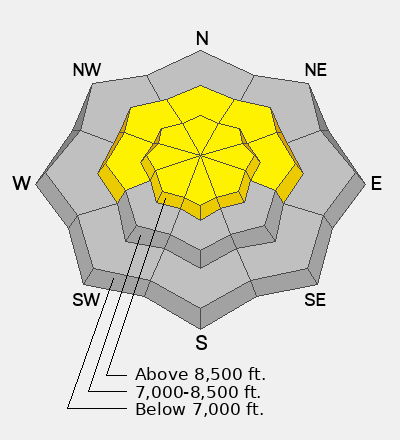
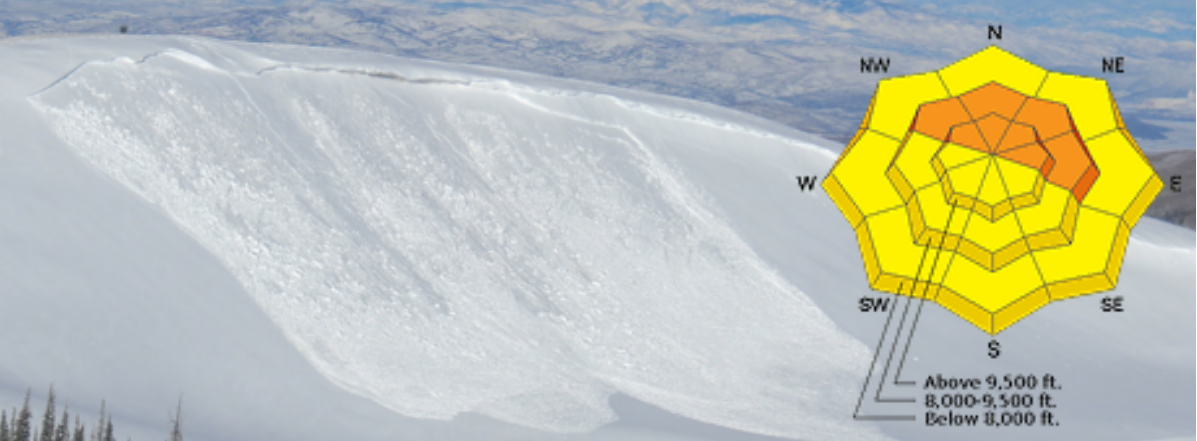
The avalanche danger is MODERATE for both wet-loose and large wet slab avalanches. Avoid being on or underneath steep slopes once the snow surface becomes loose and unconsolidated.

(Gray on the danger rose indicates little to no snow.)

Low
Moderate
Considerable
High
Extreme
Learn how to read the forecast here
Special Announcements

A new version the UAC's mobile app has been released with many new features and performance improvements. Download our app today, available on iPhone and Android. Learn more HERE.

Weather and Snow

Skies are partly cloudy. Overnight lows are in the mid to upper 40s, with a few stations in the low 50s. It's difficult to believe to write that...but this winter is unbelievable in and of itself. Winds are blowing 15-20mph from the west.

For today, we'll see partly cloudy skies with temps again rising to the 50s and 60s. Winds will be blowing in the moderate range from the west. A sharp, but dry cold front arrives Thursday, but temps rebound over the weekend. There are some hints of a more active pattern for next week, but I won't hold my breath.

We'll call it mid-March madness, but look at the temps from the Ben Lomond weather station (7700') below. You can clearly see the cold front arriving Saturday March 14th, but the temperatures since then have been more akin to late May and early June.
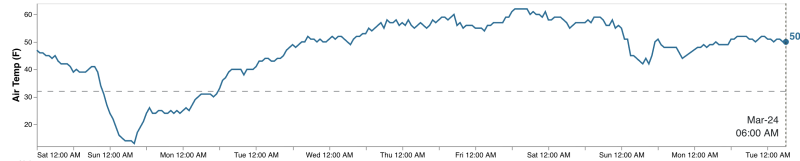
Similarly, look at the SWE (snow-water-equivalent) for the Ben Lomond site. It held steady at 17", but the bottom fell out and it now holds just 9" of water.

Recent Avalanches

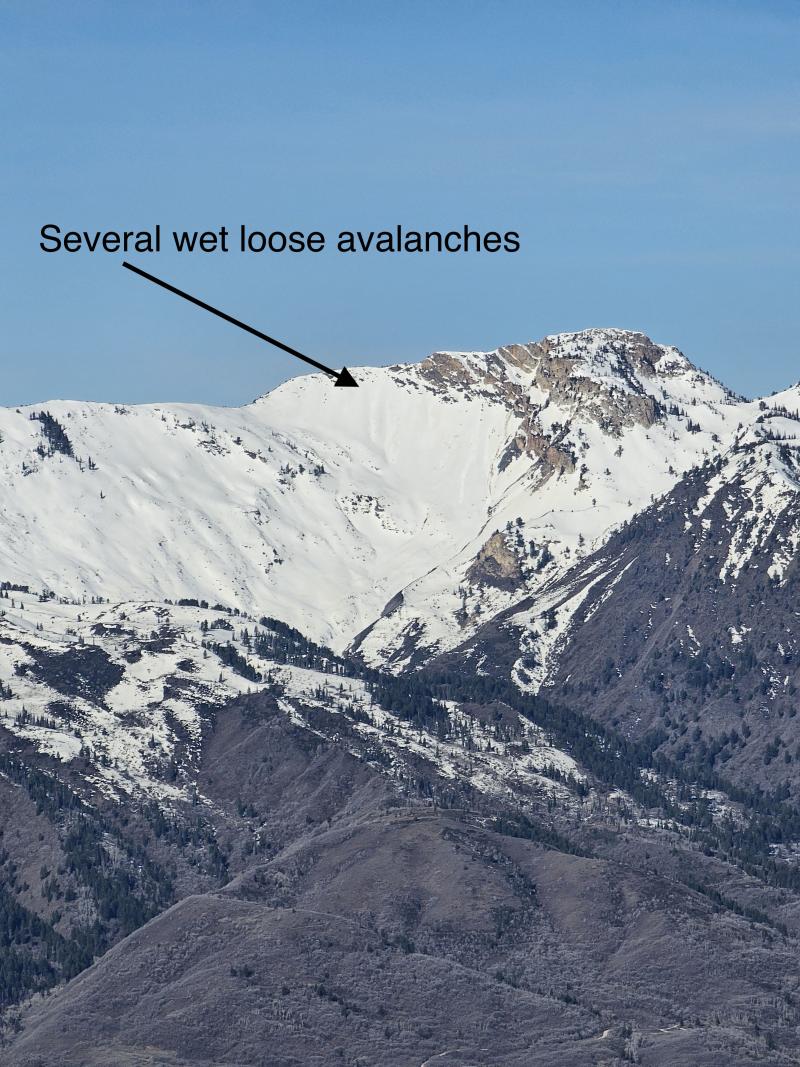
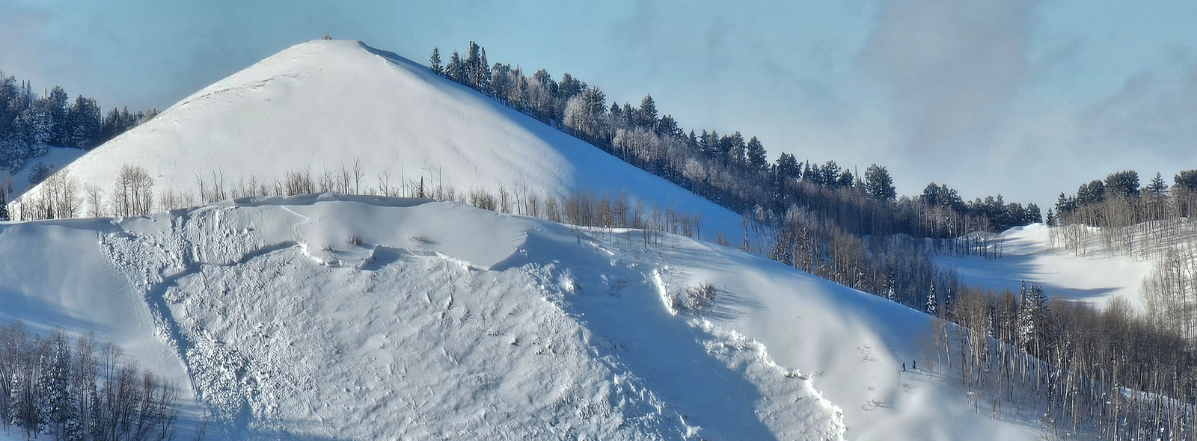
The only avalanche activity reported over the weekend was long-running wet-loose avalanches, including several along the Willard Headwall noted by Keenan Grady.
Avalanche Problem #1
Wet Snow
Type
Location
Likelihood
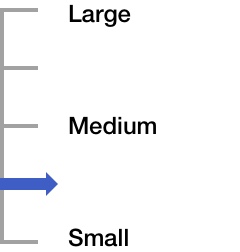
Size
Description

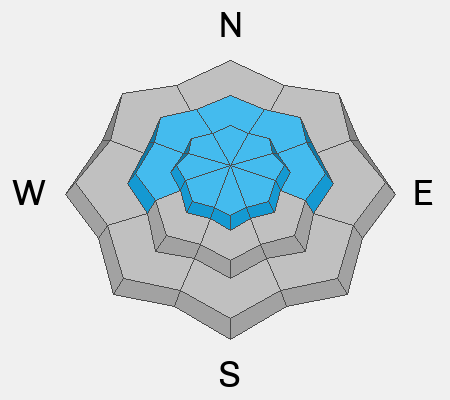
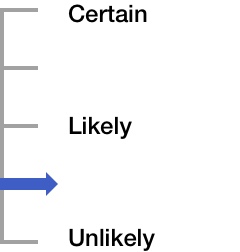
There are two concerns for wet snow avalanches:

1. Wet Loose - This will be the most common concern, with the possibility for natural and human-triggered avalanches involving wet snow near the surface. These may be long-running and gouge down into the snow pack. These avalanches are especially dangerous in steep terrain or above terrain traps such as steep-sided gullies where escaping the flow is difficult.

2. Wet Slabs - As meltwater moves deeper into the snowpack, it can pool on buried crusts or weak layers, weakening the structure and allowing avalanches to break deeper and wider. These are larger and more destructive avalanches and may occur naturally, possibly failing down around crusts that formed over the holidays in late December.

Although not a common concern in the Ogden mountains, glide avalanches occur when the entire snowpack slowly slides on the ground, typically over smooth rock slabs or grassy slopes. The terrain around the Chilly Peak Slabs is the most common area for glide avalanches.

Wet-loose avalanches along the Willard Peak headwall (photo Keenan Grady)

General Announcements

This information does not apply to developed ski areas or highways where avalanche control is normally done. This forecast is from the U.S.D.A. Forest Service, which is solely responsible for its content. This forecast describes general avalanche conditions and local variations always occur.