
Forecast for the Moab Area Mountains

Eric Trenbeath
Issued by Eric Trenbeath on
Friday morning, March 20, 2026

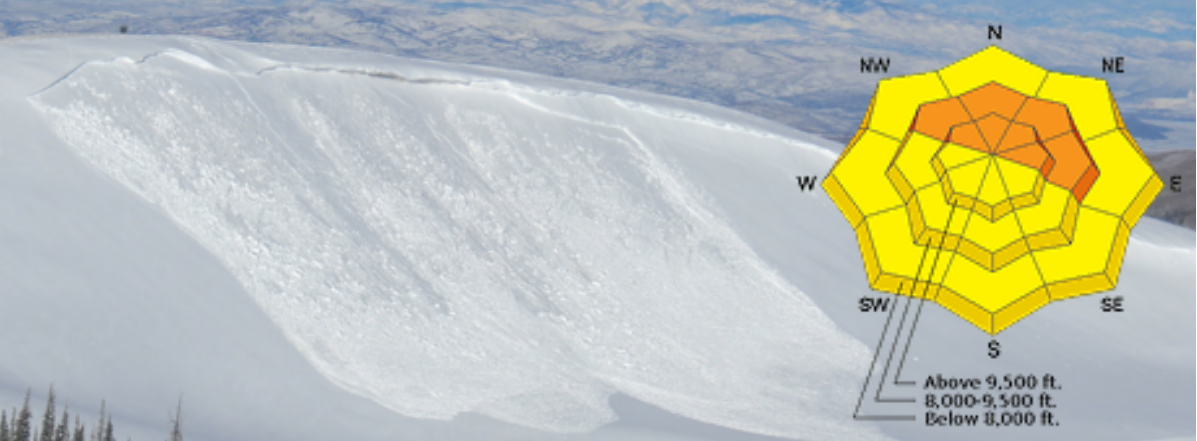
Rising mountain temperatures today will increase the avalanche danger from MODERATE to CONSIDERABLE on all steep slopes. Human triggered, wet-loose and wet-slab avalanches will become increasingly more likely, and natural avalanches will be possible. Punchy, unsupportable conditions are signs that the snowpack is on the edge and it will quickly become wet, sloppy, and unstable as the day heats up. Travel in avalanche terrain is not recommended today.

Although wet avalanches are the primary concern, persistent weak layers of sugary, faceted snow on northerly aspects near and above treeline continue to deserve attention. This week’s unusually warm temperatures may reactivate these buried weak layers increasing the likelihood for deep, hard slab avalanches in this terrain.
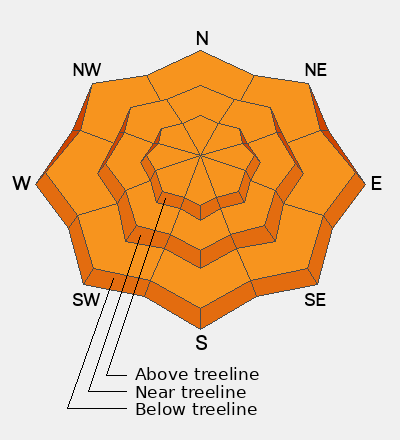
Low
Moderate
Considerable
High
Extreme
Learn how to read the forecast here
Special Avalanche Bulletin
What

The Utah Avalanche Center is issuing a Special Avalanche Advisory for all mountain regions across Utah beginning Thursday, March 19, through Sunday, March 22, as avalanche danger is expected to rise in the coming days.

When

In effect from 6 AM MST Thursday to 6 AM MST Monday.

Where

The mountains of Utah and southeastern Idaho.

Impacts

Record-breaking warm temperatures will rapidly destabilize the snowpack across the state, increasing the likelihood of widespread, spontaneous, destructive wet avalanches. Wet avalanches could occur on all aspects and at all elevations, including places that typically stay colder this time of year. Avoid travel on and below steep slopes, including avalanche runout zones and terrain traps.

Warning Times

Thursday, March 19, 2026 - 6:00 am to Monday, March 23, 2026 - 6:00 am

Special Announcements

Geyser Pass Road Conditions: The road is melted down to dirt, expect wet and muddy conditions as the day heats up.

Grooming: Grooming is done for the season.

Spring Fundraiser: Each spring, we ask for your continued financial support to fund our forecasting and education programs. Our Spring Campaign and Spring Auction are now live and we hope you will consider supporting our mission.

A new version the UAC's mobile app has been released with many new features and performance improvements. Download our app today, available on iPhone and Android.

After a difficult week in February that included four avalanche fatalities, UAC forecasters will host a community debrief to discuss the conditions surrounding these accidents. We will review the weather and snowpack patterns, share observations from the field, and discuss lessons learned. This event will not be live but include time for questions and discussion, with the goal of learning together as a community. Please use this form to submit questions for review.

Weather and Snow

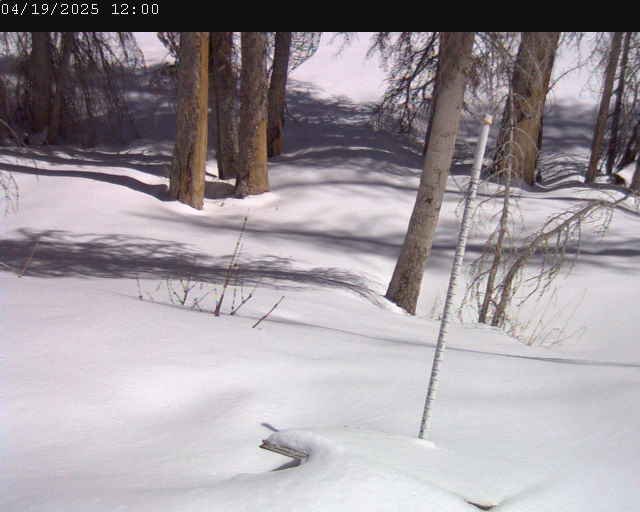
24 Hour Snow: 0" 72 Hour Snow: 0" Season Total Snow: 75" Depth at Gold Basin: 28"

Winds on Pre-Laurel Peak: NW 10-15 Temp: 36°F

Weather

Under clear skies, it is 36°F in Gold Basin this morning. Skies will remain sunny, and temperatures will soar to 60°F at 10,000 feet. Winds from the north will blow 5 to 15 MPH with gusts up to 25 MPH. Abnormally warm temperatures and dry conditions are still the focus, with daytime highs 15 to 25 degrees above normal. Record highs continue into next week.

General Conditions

We've had two nights without a re-freeze and temperatures soared to 60°F yesterday at 10,000 feet. The snowpack will be largely unsupportable from the get go this morning and as the day heats up, the likelihood for human triggered wet-loose and wet slab avalanches will quickly rise. I'm not going to mince words, it's not a great day to be in the mountains, at least not with the intention of skiing or riding anything. Punchy, unsupportable conditions will make travel annoying at best, and dangerous at worst.

In the video below, Dave discuss how the current heat wave affects our snowpack.

See all Moab observations here.

Snowpack and Weather Data

Wind Station on Pre-Laurel Peak (11,400')
NWS forecast for the La Sal Mountains.
Recent Avalanches
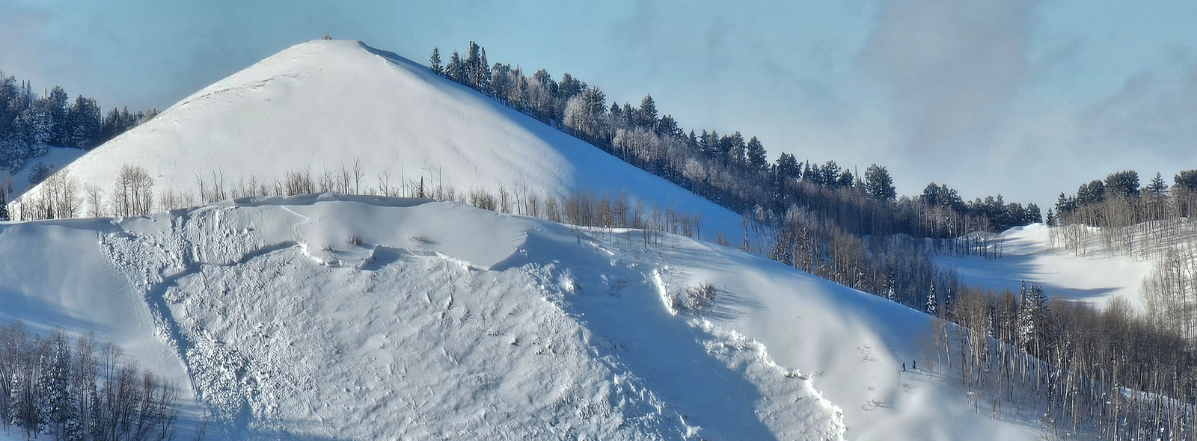
No recent avalanches have been observed. See the full avalanche database.
Avalanche Problem #1
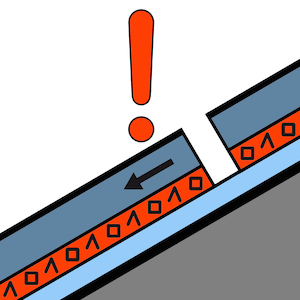
Wet Snow
Type
Location
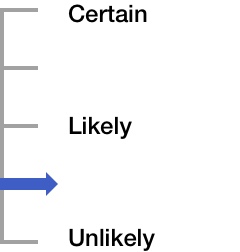
Likelihood
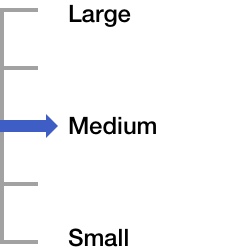
Size
Description

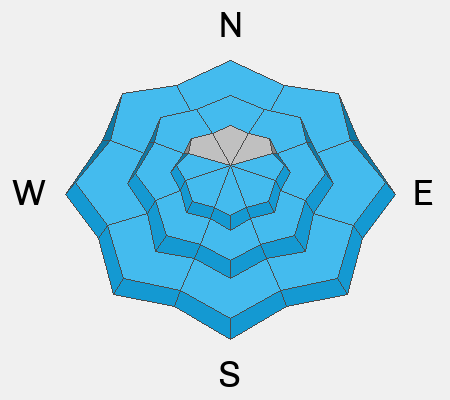
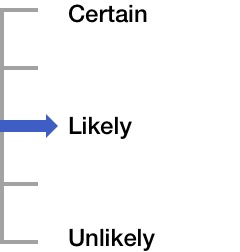
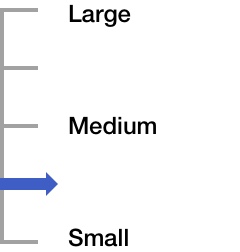
Both wet-loose and wet-slab human triggered avalanches are likely today. The primary concern is wet-slab avalanches, which are more destructive and far less predictable than wet-loose slides. The potential for wet slabs exists on most aspects with the exception of the highest elevation northerly terrain. While wet slabs can be difficult to anticipate, the same red flags apply: rollerballs, saturated surface snow, and unsupportable conditions are clear signs of instabiltiy. After two nights without a re-refreeze, conditions are already on the edge and today's warm up will quickly lead to instability. Avoiding avalanche terrain is recommended today.

Avalanche Problem #2
Persistent Weak Layer
Type
Location
Likelihood
Size
Description

Buried layers of weak, faceted snow continue to plague our snowpack near and above treeline on northerly facing slopes. Above treeline, thick, hard slabs 2-4 feet thick sit on top of these persistent weak layers. Although the likelihood for triggering a deep and dangerous avalanche has significantly decreased, all it takes is finding the right trigger point such as a shallow, rocky area or thin spot over a convexity.

The ongoing heatwave will likely increase the sensitivity of these weak layers. Cold, dry facets can often come back to life during periods of extreme heat. Right now, the risks of entering steep northerly terrain outweigh the potential rewards.

Additional Information
General Announcements
This forecast is from the U.S.D.A. Forest Service, which is solely responsible for its content. This forecast describes general avalanche conditions and local variations always occur.