
Forecast for the Moab Area Mountains

Eric Trenbeath
Issued by Eric Trenbeath on
Sunday morning, March 1, 2026

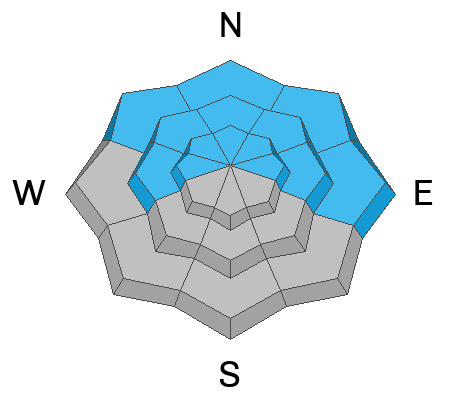
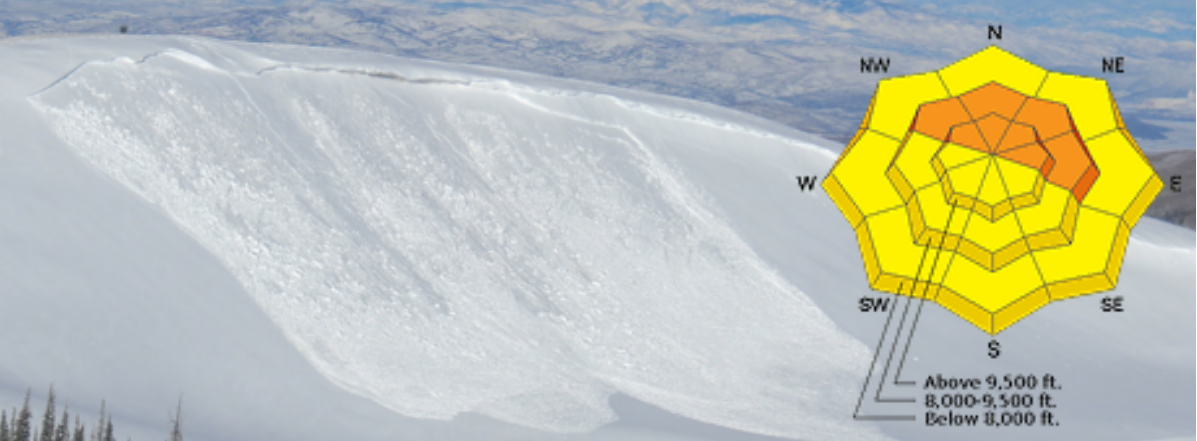
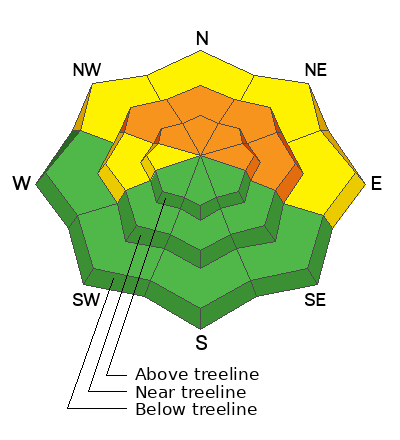
The avalanche danger remains CONSIDERABLE on steep slopes near and above treeline that face NW-N-NE-E. Although becoming more stubborn to release, human-triggered, hard slab avalanches 2 to 4 feet deep, failing on a buried persistent weak layer remain likely. These avalanches could step down and release the entire season’s snowpack. Avoid slopes steeper than 30 degrees in these areas.

A MODERATE danger exists on west facing slopes near and above treeline, and on low elevation, northerly aspects. In these areas, human triggered avalanches, failing on a persistent weak layer are possible.
Low
Moderate
Considerable
High
Extreme
Learn how to read the forecast here
Special Announcements

Geyser Pass Road Conditions: The road is plowed and scraped down to the dirt in most areas.

Grooming: Conditions are pretty rough.

Mountain Film on Tour returns to Star Hall in Moab on Saturday, March 14. Tickets are available online and all proceeds benefit UAC Moab. Look forward to seeing you all there!

Weather and Snow

24 Hour Snow: 0" 72 Hour Snow: 0" Season Total Snow: 71" Depth at Gold Basin: 32"

Winds on Pre-Laurel Peak: NW 10-15 Temp: 34°F

Weather

10,000 foot temperatures are above freezing this morning and the heatwave continues. Look for partly sunny skies and high temperatures approaching 50°F with even warmer, record setting temperatures on Monday. A weak system Monday night into Tuesday, and another one on Thursday, bring clouds and a slight chance for precipitation to our area but most of the action is to the north.

General Conditions

It feels like April out there but with half the snowpack. Most surfaces below about 11,000 feet are crusted over to some extent and many southerly aspects are melted out. Above treeline, exposed windward slopes are scoured. You have to go high to find dry snow and this is also where you are likely to find avalanche problems. Avalanches are becoming more stubborn to release, and outward signs of instability are no longer present, but the threat remains real. People continue to trigger dangerous avalanches over in the San Juan Mountains with a similar snowpack. Between the danger and overall snow conditions, It's not a great picture out there right now.

See all Moab observations here.

Snowpack and Weather Data

Wind Station on Pre-Laurel Peak (11,400')
NWS forecast for the La Sal Mountains.
Recent Avalanches
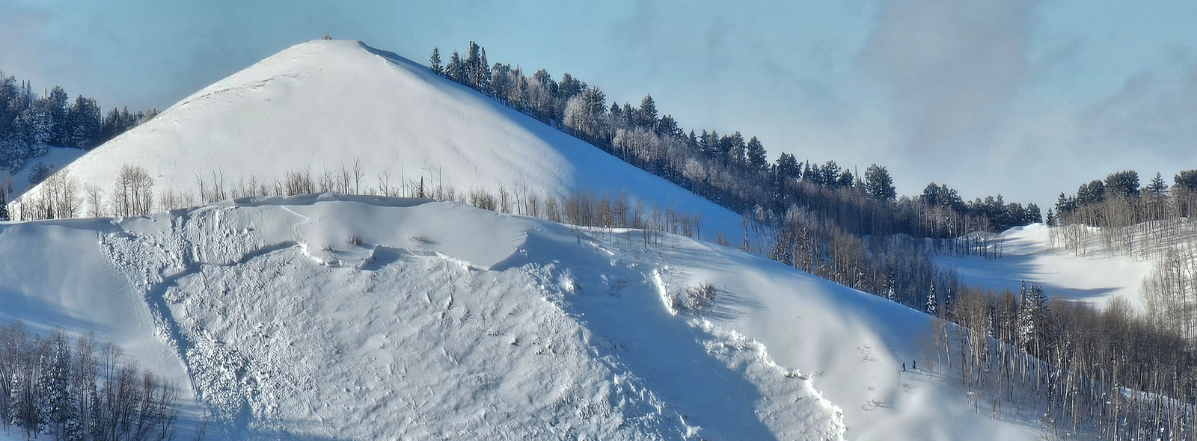
The avalanche database has been updated to include all observed avalanches since last Friday's storm. These are all great examples of the type of avalanche you are still likely to trigger.
Avalanche Problem #1
Persistent Weak Layer
Type
Location
Likelihood
Size
Description

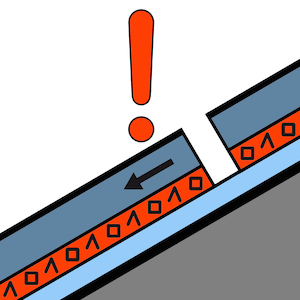
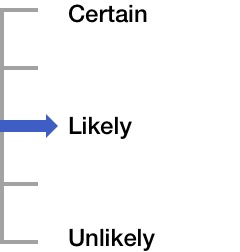
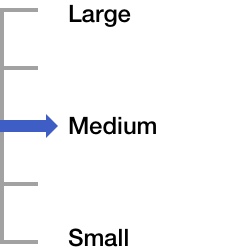
It's been just over a week since the last storm and avalanche cycle. Red flag signs of instability such as collapsing and cracking are no longer evident, but poor snowpack structure remains. In spite of the warm temperatures and misleading snow surface, layers of weak faceted snow still exist underneath. On northerly aspects near and above treeline, thick hard slabs 2-4 feet thick exist over these persistent weak layers. Although becoming more stubborn to release, when they do they are capable of taking out the entire season's snowpack. Likely trigger points include thin, rocky areas, steep convexities, and areas along slope margins but my strategy continues to be avoidance of steep slopes in these areas entirely.

Additional Information
General Announcements
This forecast is from the U.S.D.A. Forest Service, which is solely responsible for its content. This forecast describes general avalanche conditions and local variations always occur.