Forecast for the Moab Area Mountains

Eric Trenbeath
Issued by Eric Trenbeath on
Monday morning, February 23, 2026

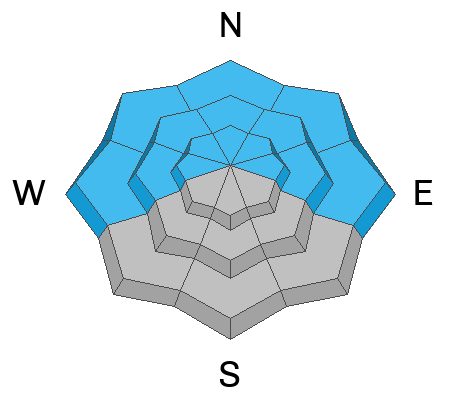
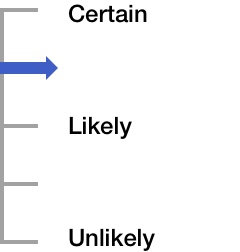
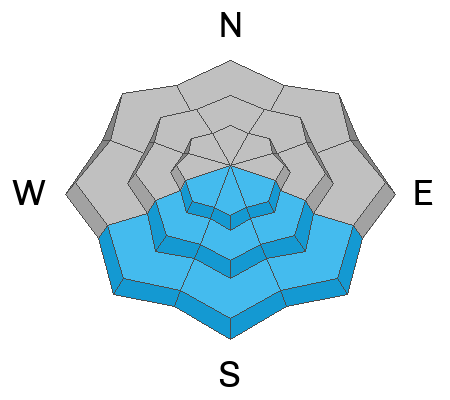
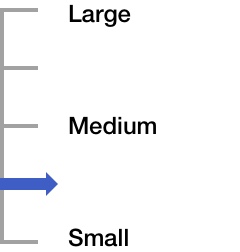
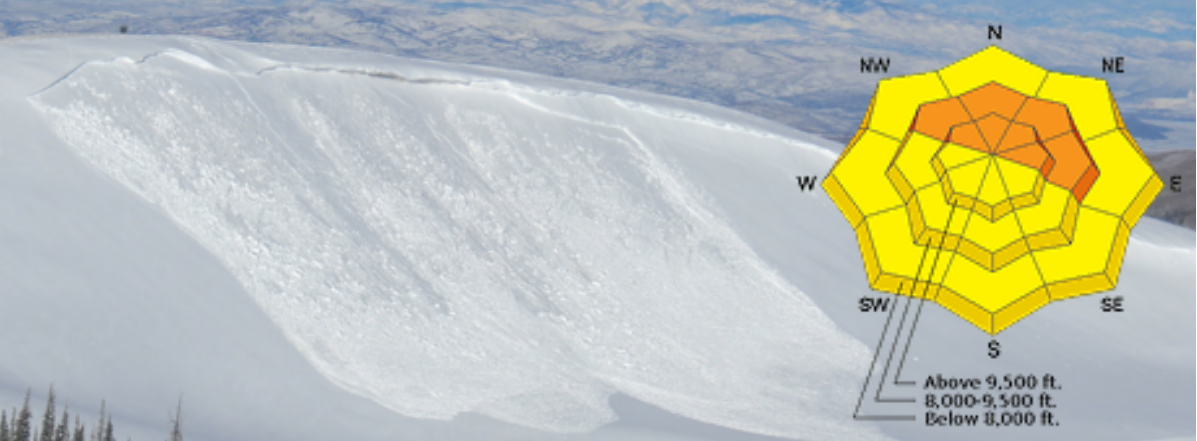
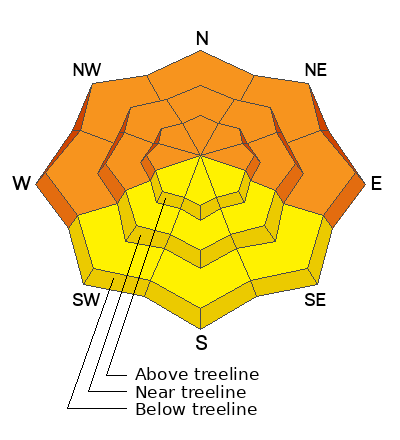
The avalanche danger is CONSIDERABLE on all steep slopes facing west through north through east and human triggered avalanches are likely. The danger increases with elevation where strong winds have built thick hard slabs over top of buried persistent weak layers. The bullseye zone is on slopes at and above treeline that face N-NE-E. In these areas, deep and dangerous, human triggered avalanches 2-4 feet deep are likely. Avoid all steep slopes facing the north half of the compass today.

We may see a MODERATE avalanche danger develop on steep sun exposed slopes as the day heats up. Signs of instability include roller balls, pinwheels, and sloppy wet snow. Stay off of and out from under steep slopes if these signs are present.
Low
Moderate
Considerable
High
Extreme
Learn how to read the forecast here
Special Announcements

Geyser Pass Road Conditions: The road is plowed and scraped down to the dirt in most areas.

Grooming: LUNA groomed all trails yesterday and set classic track.

Mountain Film on Tour returns to Star Hall in Moab on Saturday, March 14. Tickets are available online and all proceeds benefit UAC Moab. Look forward to seeing you all there!

Weather and Snow

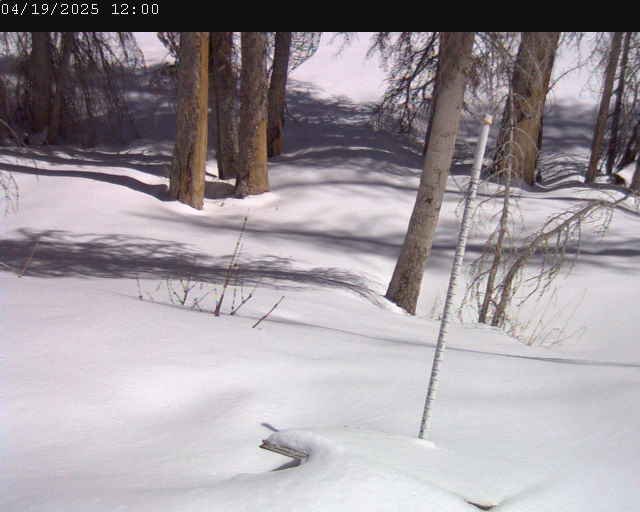
24 Hour Snow: 0" 72 Hour Snow: 10" Season Total Snow: 71" Depth at Gold Basin: 43"

Winds on Pre-Laurel Peak: SW 5-10 Temp: 21°F

Weather

Another mostly sunny day is ahead with high temperatures running about 10°F above normal and reaching the upper 30's at 10,000 feet. Winds blowing from the southwest will be light. A warming trend is ahead with steadily increasing temperatures throughout the coming week. On Wednesday, a storm system will affect primarily areas to the north and east of us.

General Conditions

It's been a couple days now since the final storm of last week's cycle and the surface is feeling the effects, but overall, it's holding up pretty well (see my observation from yesterday). A brief windy period yesterday morning affected the snow above treeline, and some sun exposed slopes are crusted over, but plenty of soft snow can be found on northerly aspects. Just stay off of, and out from under slopes steeper than 30 degrees. Snowpack structure is poor, and deep and dangerous, human triggered avalanches remain likely. With a strong sun and warmer than normal temperatures, we may see a developing hazard for loose wet avalanches in unconsolidated snow on south aspects. Avoid steep slopes that become wet and sloppy.

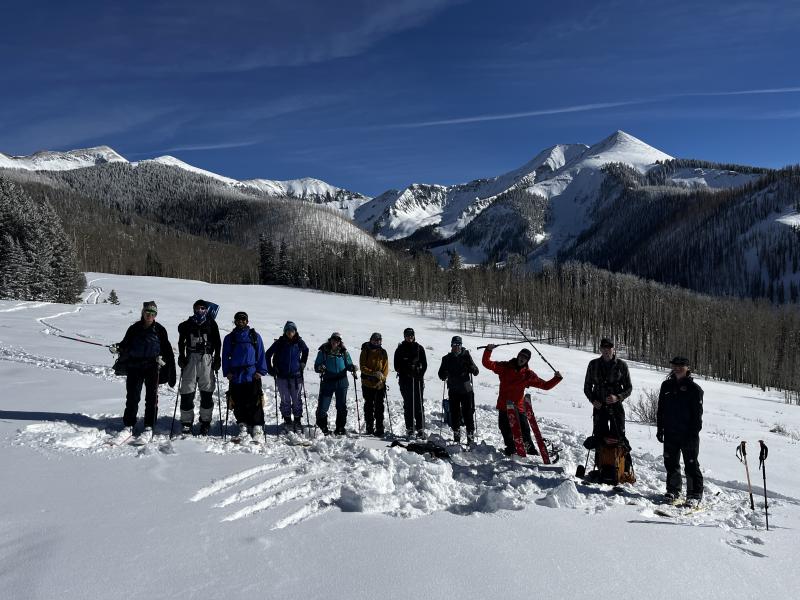
Conditions were perfect for our Backcountry 101 class on Saturday with plenty of red flag signs of instability including cracking, collapsing, poor snowpack structure, and reactive stability tests, even at low elevation. Read our observation here.

For a look at the current snowpack structure check out this video below.

See all Moab observations here.

Snowpack and Weather Data

Wind Station on Pre-Laurel Peak (11,400')
NWS forecast for the La Sal Mountains.
Recent Avalanches
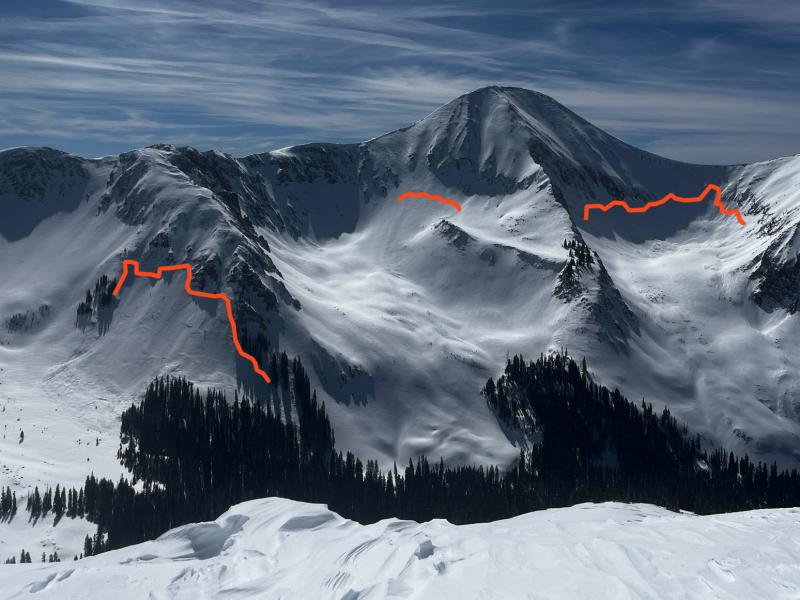
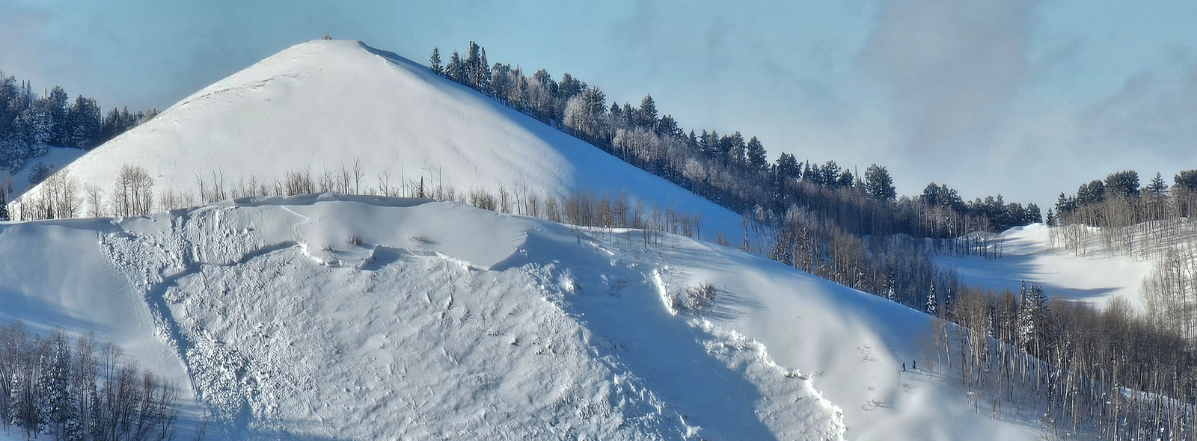
In my travels yesterday, I observed large, natural avalanches that ran in Gold Basin during the storm on Friday, as well as a natural off the Laurel Ridge into Horse Creek. This was just a little further up the ridge from where Dave intentionally triggered a large avalanche on Thursday.
Avalanches I observed in Gold Basin that ran during the storm on Friday.
See all La Sal avalanches here.
Avalanche Problem #1
Persistent Weak Layer
Type
Location
Likelihood
Size
Description

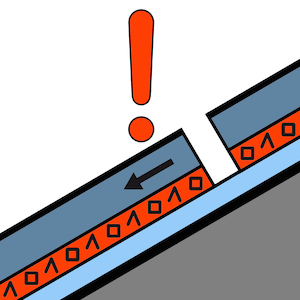
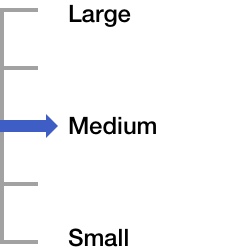
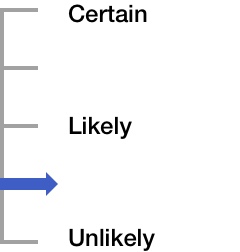
I hope by now everyone is fully aware of the dangers posed by our persistent weak layer problem. Poor snowpack structure exists at all elevations facing the north half of the compass. Last week's 22 inches of snow is now perched on top of a pre-existing snowpack that was faceted through to the ground. Near and above treeline, especially on slopes facing N-NE-E, hard slabs of wind drifted snow, 2-4 feet thick have formed over top of these weak layers and dangerous human triggered avalanches are likely. Most avalanches will initially fail on a layer of preserved near surface facets that were covered up on February 11 before stepping down deeper into the snowpack but this is all academic. Any triggered avalanche in these areas will be virtually unsurvivable. Below treeline, soft slabs up to 18 inches thick exist over top of weak, faceted snow. Although not as threatening as the larger, hard slab avalanches higher up, these shallower, soft slab avalanches are dangerous enough to ruin your day or more. Avoid slopes steeper than 30 degrees that face the north half of the compass.

Avalanche Problem #2
Wet Snow
Type
Location
Likelihood
Size
Description

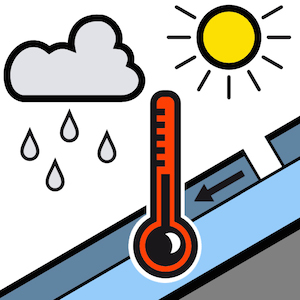
With soaring temperatures and a strong sun we may see loose, wet avalanche activity on sun exposed slopes today. Signs of instability include rollerballs, pinwheels, and sloppy wet snow. Get off of and out from under steep slopes if these signs are present.

Additional Information

A huge shout out to everyone who made our Backcountry 101 class a great success yesterday. Congratulations to you all for starting down the path of learning about avalanches and avalanche safety!

General Announcements
This forecast is from the U.S.D.A. Forest Service, which is solely responsible for its content. This forecast describes general avalanche conditions and local variations always occur.