
Forecast for the Moab Area Mountains

Dave Garcia
Issued by Dave Garcia on
Tuesday morning, February 24, 2026

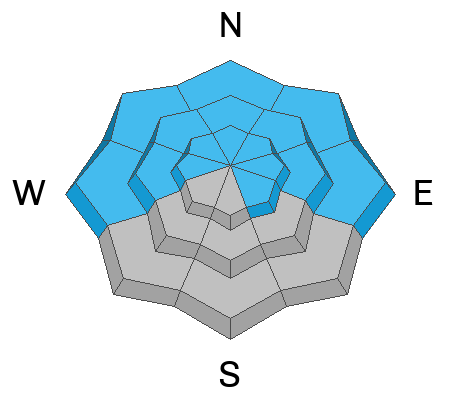
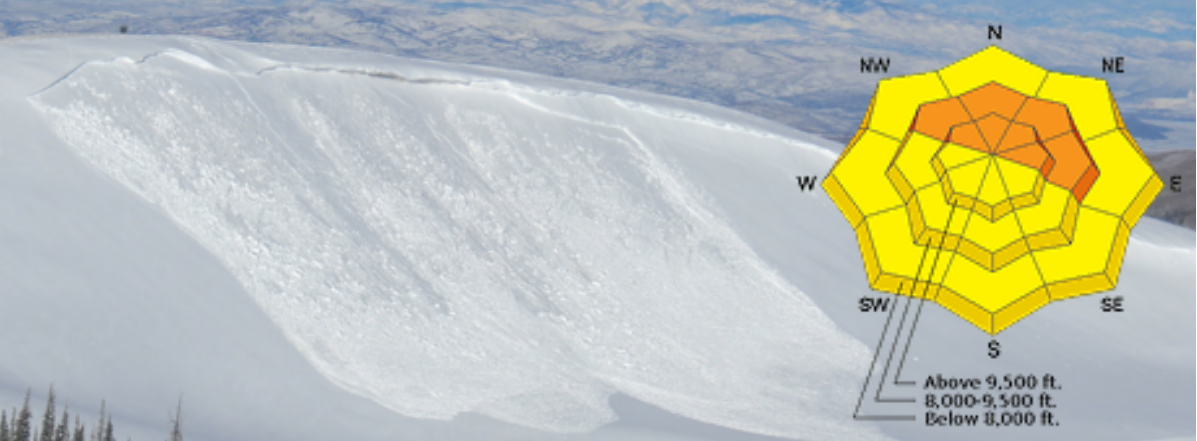
The avalanche danger is CONSIDERABLE on steep slopes near treeline and above that face west through north to east. Human-triggered hard slab avalanches 2 to 4 feet deep are likely, failing on a buried persistent weak layer. These avalanches could step down and release the entire season’s snowpack.

Persistent weak layers are also present below treeline on west through north through east aspects, and above treeline on southeast aspects, where the danger is MODERATE and human-triggered slab avalanches remain possible.

Most south-facing terrain holds LOW danger. As temperatures rise, watch for signs of wet loose avalanche activity.

Low
Moderate
Considerable
High
Extreme
Learn how to read the forecast here
Special Announcements

Geyser Pass Road Conditions: The road is plowed and scraped down to the dirt in most areas.

Grooming: LUNA groomed all trails on Sunday and set classic track.

Mountain Film on Tour returns to Star Hall in Moab on Saturday, March 14. Tickets are available online and all proceeds benefit UAC Moab. Look forward to seeing you all there!

Weather and Snow

24 Hour Snow: 0" 72 Hour Snow: 0" Season Total Snow: 71" Depth at Gold Basin: 38"

Winds on Pre-Laurel Peak: SW 10 G 25 Temp: 33°F

Weather

Under few clouds, it is 33° F in Gold Basin this morning. Today will be mostly sunny and warm, with daytime highs reaching 42°F at 10,000 feet. Winds will blow from the west at 10 to 15 MPH. Tomorrow, a winter storm will bring snow to northern Utah and much of Colorado. As a result, we will see breezy conditions in southeast Utah, with average wind speeds 10 to 20 MPH and gusts up to 30 MPH from the west. Temperatures will remain above normal, with highs topping out in the low 40s° F. A broad ridge develops over Utah on Thursday, and high temperatures will remain unseasonably warm through the weekend.

General Conditions

Friday’s storm delivered a major boost to skiing and riding conditions. Winds have generally been light, though exposed upper-elevation terrain shows some wind effect. Sunny slopes are capped with a crust from recent strong sun and warm temperatures, but these surfaces should soften as the day warms. The best conditions are found on sheltered northerly slopes near and below treeline, where cold, dry powder remains preserved.

The 2/11 persistent weak layer is still widespread and reactive. Below treeline, it remains possible to trigger soft slab avalanches on steep slopes. Near treeline and above, this weak layer is especially concerning, and steep terrain should be avoided, as human-triggered avalanches are likely to be deep, dangerous, and potentially deadly.

For more information, read this report from yesterday's fieldwork.

For a look at the current snowpack structure check out this video below.

See all Moab observations here.

Snowpack and Weather Data

Wind Station on Pre-Laurel Peak (11,400')
NWS forecast for the La Sal Mountains.
Recent Avalanches
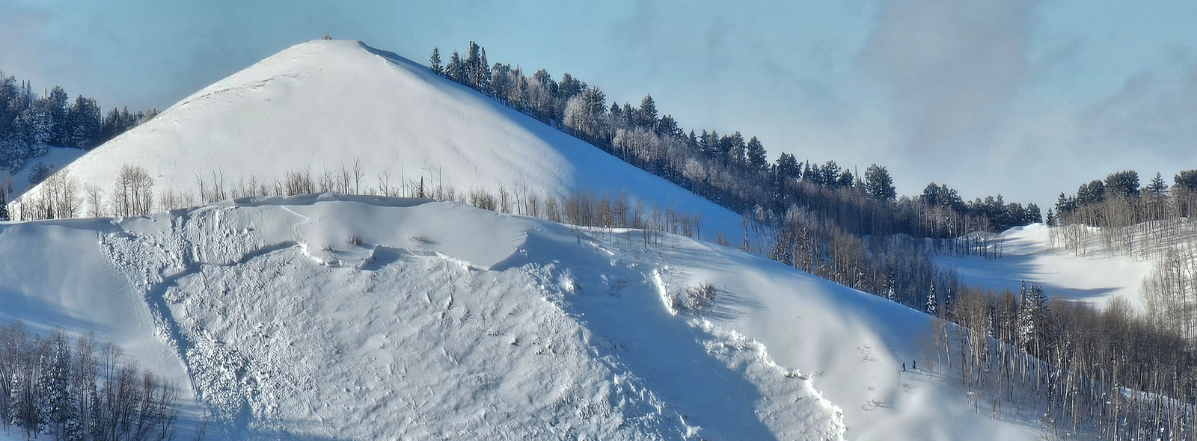
The avalanche database has recently been updated to include all observed avalanches since Friday's storm. We have seen both natural and human-triggered hard slab avalanches, and some small natural dry loose avalanches in recent days.
Avalanche Problem #1
Persistent Weak Layer
Type
Location
Likelihood
Size
Description

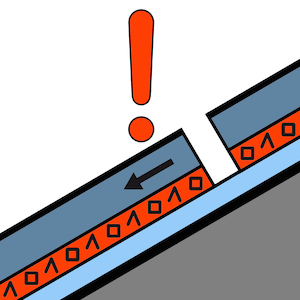
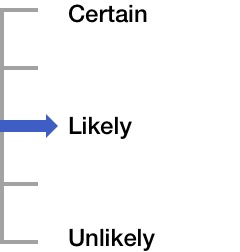
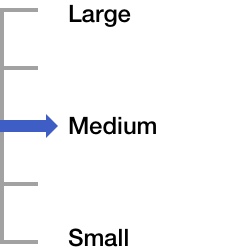
Poor snowpack structure remains widespread on slopes facing west through north to east. The 2/11 persistent weak layer is now buried beneath 22 inches of recent snow. On some below-treeline slopes, this new snow has formed a cohesive slab, and skiers and riders can still trigger soft slab avalanches. The danger increases with elevation, where thicker, more cohesive slabs rest above the weak layer. The greatest concern is on slopes that previously held wind-drifted snow, where hard slabs 2 to 4 feet thick now rest above weak facets. Human-triggered avalanches remain likely, and any avalanche may step down to deeper weak layers, as confirmed by recent field observations. Avalanches failing on the 2/11 weak layer are large enough to bury a person, and deeper step-down avalanches could release the entire season’s snowpack, resulting in destructive and deadly avalanches.

Obvious signs of instability, such as collapsing and cracking, are becoming less frequent. Do not let the lack of obvious red flags create a false sense of security. Many steep slopes did not avalanche during Friday’s storm and remain primed for release. The weak layer is still sensitive, and these slopes remain poised for a trigger. The safest strategy today is to avoid slopes steeper than 30 degrees.

Additional Information
General Announcements
This forecast is from the U.S.D.A. Forest Service, which is solely responsible for its content. This forecast describes general avalanche conditions and local variations always occur.