Forecast for the Moab Area Mountains

Dave Garcia
Issued by Dave Garcia on
Thursday morning, February 12, 2026

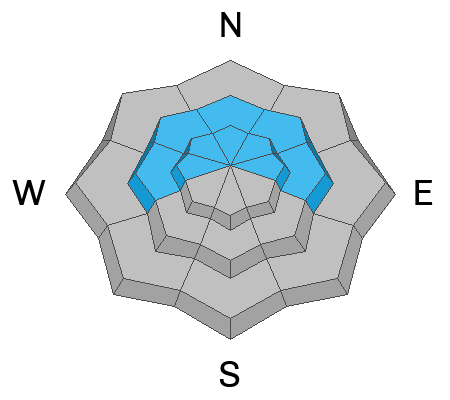
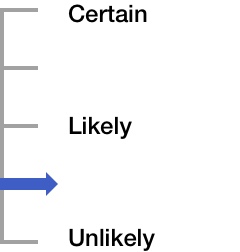
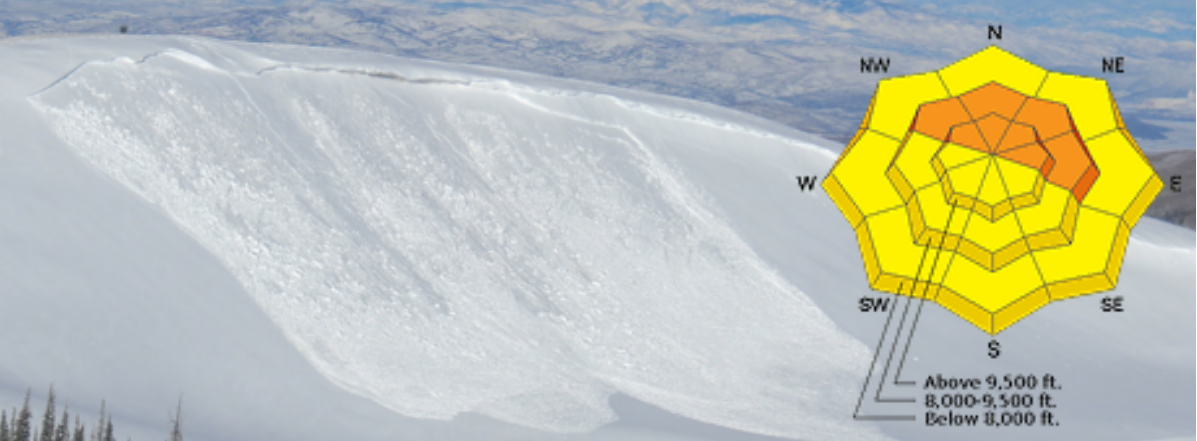
Four inches of new snow have slightly increased the avalanche danger. MODERATE danger exists on steep slopes near and above treeline that face the north half of the compass. Shallow, soft slab avalanches of new snow are POSSIBLE where the new snow overlies very weak faceted snow. This strong-over-weak structure is easy to identify today using quick hand pits and ski cuts.

Low
Moderate
Considerable
High
Extreme
Learn how to read the forecast here
Special Announcements

Check out this recent blog post from Forest Service UAC Director Paige Pagnucco Weak Snow: Today's Surface, Tomorrow's Avalanche Problem.

Drew Hardesty has a new blog titled "The Greatest Rain on Earth."

Geyser Pass Road Conditions: Expect a few inches of new snow on the road above 8,000 feet. AWD with good tires recommended.

Grooming: LUNA groomed all trails last Monday.

We are looking to reschedule our Moab Backcountry 101 Class to February 20, 21 in the hopes that we will have more snow. Click here for information and registration. Moab and Monticello locals can use the discount code MOAB-LOCAL for a 10% discount.

Weather and Snow

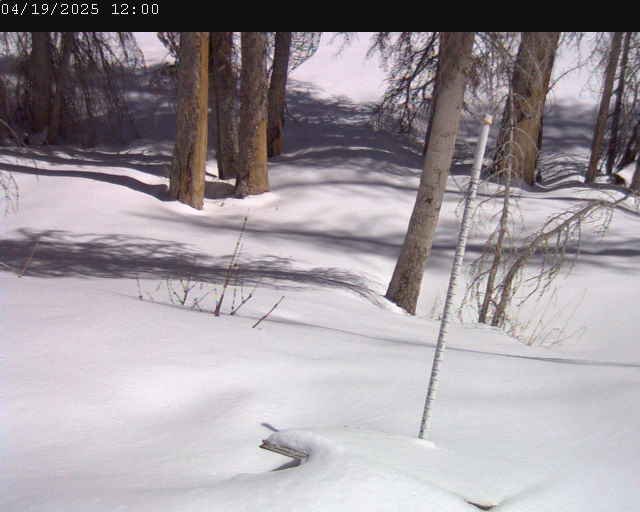
24 Hour Snow: 4" 72 Hour Snow: 4" Season Total Snow: 48" Depth at Gold Basin: 30"

Winds on Pre-Laurel Peak: S 12 G 20-25 Temp: 31°F

Weather

As the first round of snow exits our area, it is 31° F in Gold Basin this morning. Snowfall began around 9 PM last night, and four inches of new snow have accumulated. Overnight winds were moderate out of the south. Today, skies will be overcast, and light snow showers will linger, but little to no additional accumulation is expected. Temperatures will remain warm, with daytime highs reaching 36°F at 10,000 feet today. Winds will blow from the west-southwest at 10-20 MPH. A brief surge of moisture on a southwest flow will bring a quick-hitting round of snow on Friday, and another 3-6" seems possible. Skies will clear out for Sunday and Monday. By Tuesday, temperatures will drop to more seasonable norms, and another stormy pattern will develop.

General Conditions

The pre-existing snow surface was highly variable, and four inches of new snow is a welcome refresh that has slightly improved riding conditions. Southerly aspects were previously crusted, but the new snow fell with relatively warm temperatures, promoting decent bonding and an overall low avalanche hazard on these slopes.

On shaded aspects, weak faceted snow remains widespread across most elevation bands, except the highest above-treeline terrain. While four inches of new snow is below the typical threshold for a true storm slab problem, it has fallen onto very weak snow, creating a classic strong-over-weak setup. Backcountry travelers should anticipate the possibility of shallow, soft slab avalanches on steep slopes wherever facets exist beneath the new snow.

Use extra caution above cliffs and in terrain traps. These avalanches may not be large enough to bury a person, but they could easily knock you off your feet or push you into consequential terrain. Conditions are expected to change by Friday as additional snowfall arrives and avalanche hazard rises accordingly.

The video below discusses the previous, very weak snow surface that is now buried by four inches of new snow.

See all recent observations here.

Snowpack and Weather Data

Gold Basin SNOTEL site (10,000')
SNOTEL site near Geyser Pass Winter Trailhead (9600')
Wind Station on Pre-Laurel Peak (11,400')
NWS forecast for the La Sal Mountains.
Recent Avalanches
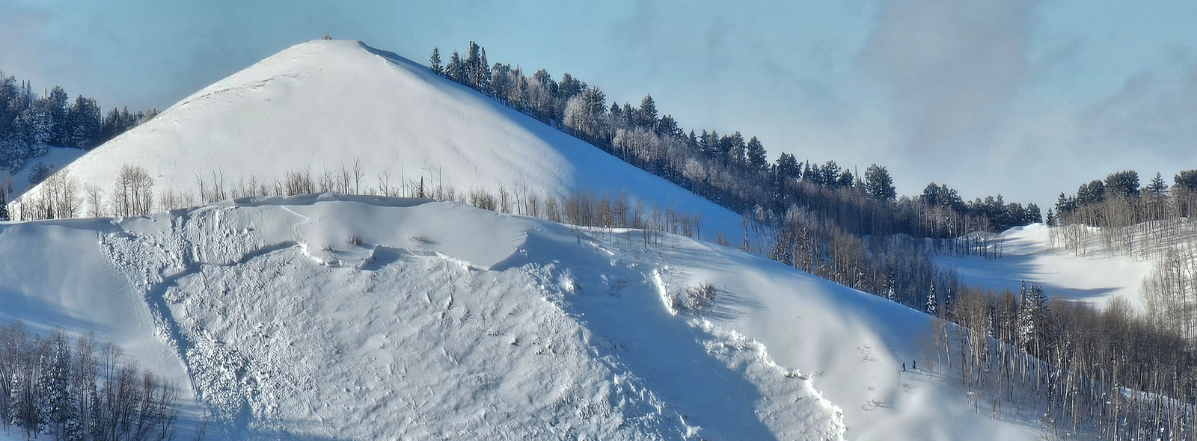
On Tuesday, my party triggered several loose dry avalanches in steep northerly terrain.
See recent avalanches here.
Avalanche Problem #1
New Snow
Type
Location
Likelihood
Size
Description

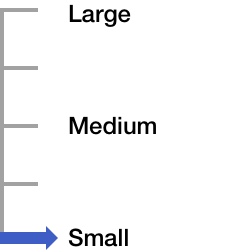
Four inches of new snow fell with warm temperatures, forming a cohesive but shallow slab over a very weak pre-existing snow surface. Shallow soft slab avalanches are possible on steep slopes wherever facets exist beneath the new snow, with the greatest concern on shady aspects facing the north half of the compass. Use small test slopes to evaluate how the new snow is responding. Signs of instability include cracking beneath your skis and cohesive slabs releasing during ski cuts. Performing frequent hand-shear tests throughout the day is an effective way to monitor changing conditions in the new snow.

Winds blowing from the south were relatively well-behaved during the storm. However, more cohesive slabs of wind-drifted snow may have formed on the leeward side of ridges near treeline and above. Expect any recent drifts to be sensitive, as they are forming above very weak snow.

Additional Information
General Announcements
This forecast is from the U.S.D.A. Forest Service, which is solely responsible for its content. This forecast describes general avalanche conditions and local variations always occur.