
Forecast for the Moab Area Mountains

Eric Trenbeath
Issued by Eric Trenbeath on
Friday morning, January 9, 2026

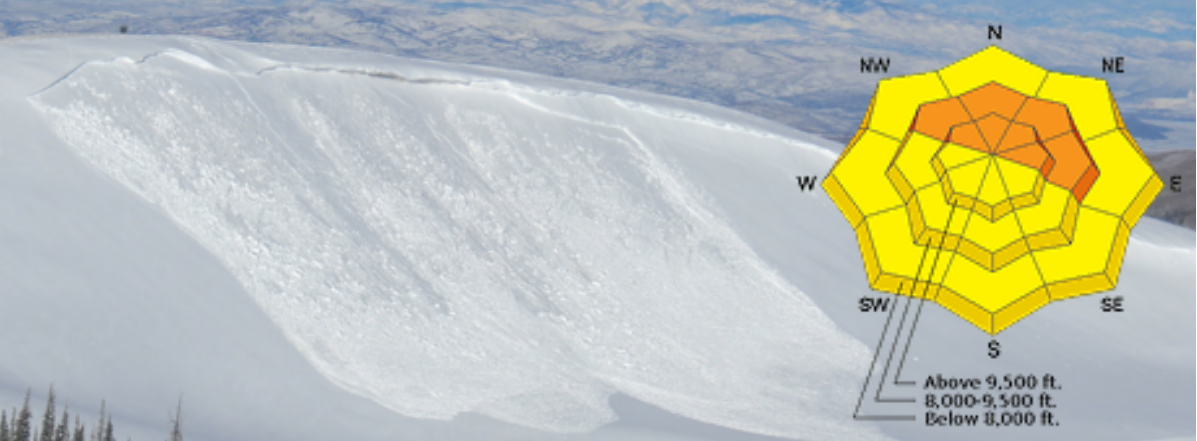
The avalanche danger is MODERATE today both for avalanches involving wind drifted snow as well as avalanches failing on a buried persistent weak layer.

Northwest winds today will create slabs of wind drifted snow on all aspects at and above tree line. Some drifting may occur near tree line and below. Look for fresh drifts on the leeward sides of ridge crests and terrain features such as gully walls and sub ridges. Suspect slopes that have more than about 8 inches of freshly drifted snow. Cracking is a sign of instability.

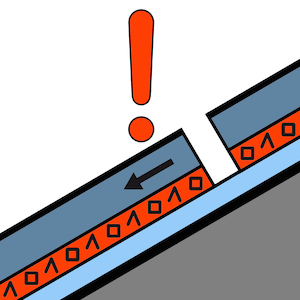
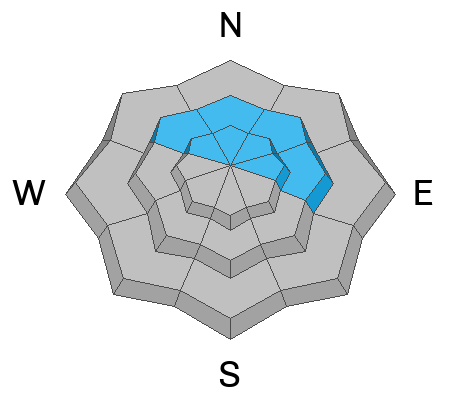
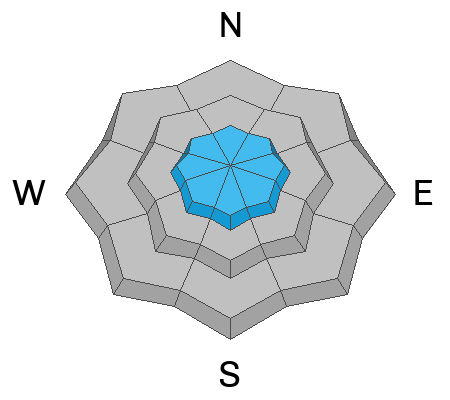
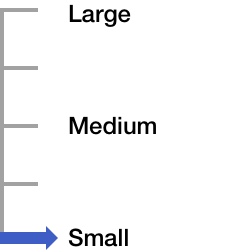
Deeper and more dangerous avalanches involving a persistent weak layer remain possible near tree line and above on slopes facing NW-N-NE-E. The likelihood for triggering a deeper avalanche depends on the strength of the Christmas rain crust in a given location. The only way to truly avoid this problem is to avoid slopes steeper than 30 degrees.

Conditions remain thin and hazards such as rocks and logs are thinly covered.

Low
Moderate
Considerable
High
Extreme
Learn how to read the forecast here
Special Announcements

Geyser Pass Road Conditions: The road will be closed for plowing this morning.

Grooming: Trails are covered in fresh snow. We will likely get Gold Basin rolled out at some point today.

We are looking to reschedule our Moab Backcountry 101 Class to February 20, 21 in the hopes that we will have more snow. Click here for information and registration. Moab and Monticello locals can use the discount code MOAB-LOCAL for a 10% discount.

Weather and Snow

24 Hour Snow: 2" 72 Hour Snow: 4" Season Total Snow: 36" Depth at Gold Basin: 24"

Winds on Pre-Laurel Peak: NA Temp: 3° F

Weather

In spite of all the drama including snow in town, we only picked up a little over 4 inches of low density powder from the storm. Now we get the cold and wind. Overnight winds blew from the northwest in the 15-25 mph range between 10:00 p.m. and 2:00 a.m. Pre Laurel Peak stopped reporting after that. Today look for sunny skies, blustery northwest winds averaging 20-25 mph along ridge tops with gusts into the 30's, and high temperatures in the low teens at 10,000 feet. Wind chill values will be as low as -15°F. Winds back off tonight as we head into an extended period of high pressure. Temperatures will gradually warm each day reaching 10-15°F above normal by late next week.

General Conditions

I don't have any observations from yesterday but 4 inches of new snow will help freshen conditions. The rub today will be the northwest winds. Expect them to blow and drift the new snow on to all aspects in the high country. They are also likely to do a little damage to exposed northerly facing slopes. In sheltered areas, snow depths range from about 24 inches at 10,000 feet to up to 3 feet or more at upper elevations. Southerly aspects were mostly bare prior to the New Year's storm but thanks to the high snow density they remain mostly covered. Snowpack structure remains poor with plenty of weak, faceted snow beneath the Christmas rain crust.

Snowpack and Weather Data

Gold Basin SNOTEL site (10,000')
SNOTEL site near Geyser Pass Winter Trailhead (9600')
Wind Station on Pre-Laurel Peak (11,400')
NWS forecast for the La Sal Mountains.
Recent Avalanches
No recent activity has been observed. Click here for the complete avalanche database.
Avalanche Problem #1
Persistent Weak Layer
Type
Location
Likelihood
Size
Description

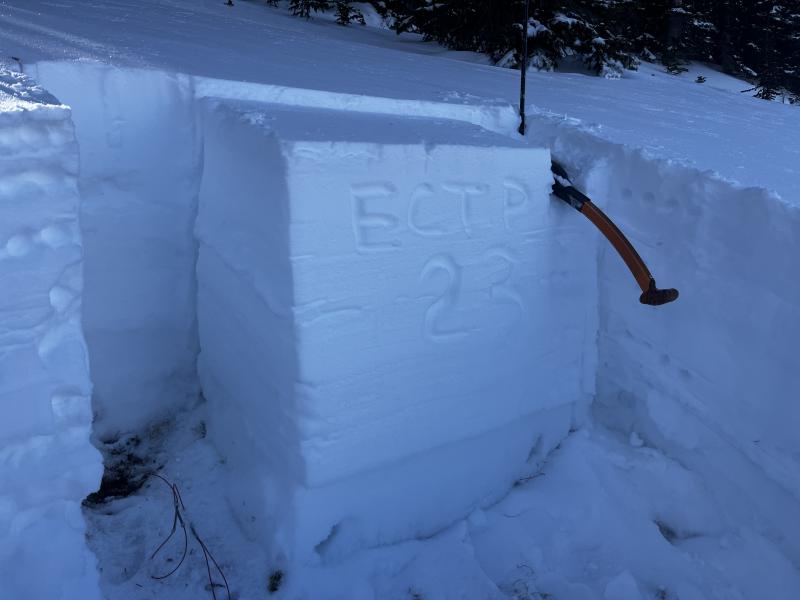
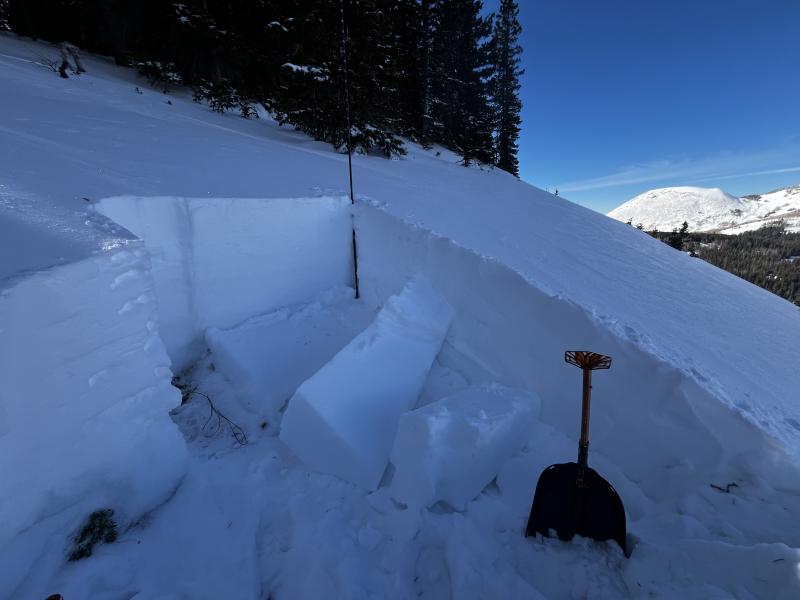
Poor snowpack structure exists on all slopes facing the north half of the compass. In these areas the entire snowpack is loose, weak, and faceted beneath the Christmas rain crust. In my travels on Tuesday, I was able to produce a score of ECTP23 in an extended column test on a NE aspect right around tree line at 11,000 feet. On Sunday, Chris and Morgan Orozco produced a score of ECTP7 in an extended column test also on NE aspect. Read their complete observation here. These are clear indications that it is possible to trigger an avalanche on a buried persistent weak layer.

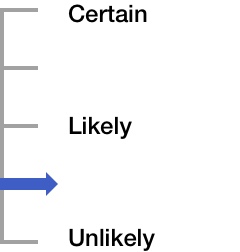
The likelihood of triggering an avalanche largely depends on the strength and thickness of the rain crust in various locations. If you are into splitting hairs, the most likely areas to find trouble are right around tree line, in places where the rain crust is very thin. Personally, I'm just not willing to trust the strength of the crust with my life and I'll be avoiding northerly aspects steeper than 30 degrees for awhile.

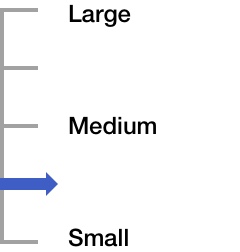
Results of my extended column test on Tuesday. Note the thickness of the slab failing on deeply buried facets near the ground. An avalanche of this size and depth would be very dangerous.

Avalanche Problem #2
Wind Drifted Snow
Type
Location
Likelihood
Size
Description
Winds blowing from the northwest do strange things in the La Sals. Although the prevailing pattern is to deposit snow on to leeward south and easterly aspects, the nature of the terrain here makes it very susceptible to cross loading and we often see wind loaded slopes on all aspects. Look for fresh drifts on the leeward sides of ridge crests and terrain features such as gully walls and sub ridges. On west through north aspects, fresh drifts may form adjacent to bare ground, with a variation in terrain making all the difference. Suspect steep slopes that have more than about 8 inches of freshly drifted snow, and look for areas that have a smooth, rounded appearance. Cracking is a sign of instability.
Additional Information
General Announcements
This forecast is from the U.S.D.A. Forest Service, which is solely responsible for its content. This forecast describes general avalanche conditions and local variations always occur.