Forecast for the Uintas Area Mountains

Andrew Nassetta
Issued by Andrew Nassetta on
Wednesday morning, March 11, 2026

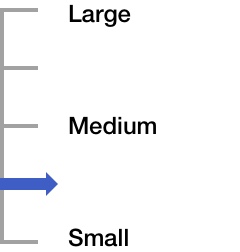
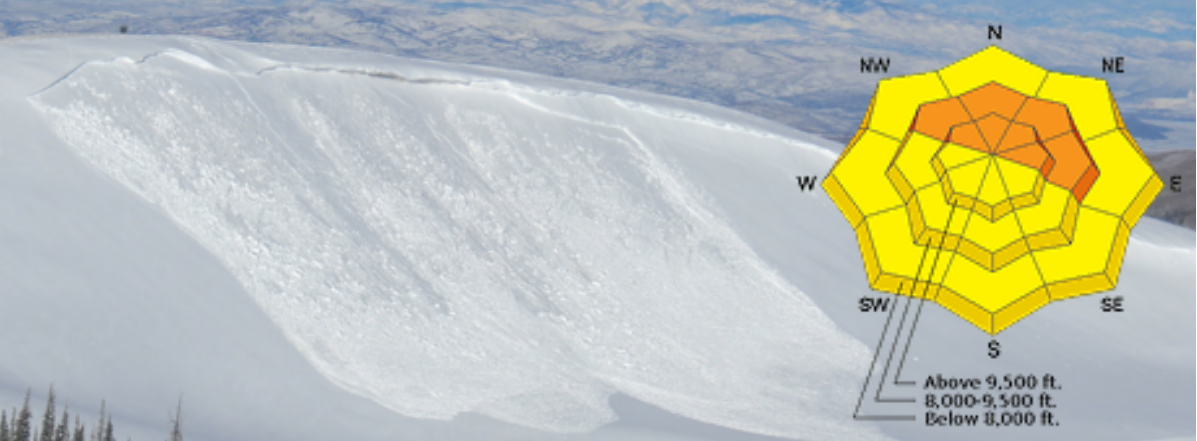
Strong winds contribute to CONSIDERABLE avalanche danger in the windzone at upper elevations on steep, rocky and complex slopes facing northwest through east where human-triggered, hard-slab avalanches are LIKELY. Today, large slides can still be triggered remotely, failing multiple feet deep into faceted snow from the dry January spell, and breaking up to a couple of hundred feet wide.

Remember, any avalanche triggered today can step-down, triggering a larger slide than we expected. I can not outsmart this problem, so avoidance is my only tool for this tricky setup.

Low
Moderate
Considerable
High
Extreme
Learn how to read the forecast here
Weather and Snow

Nowcast - A beautiful, clear and starry morning is brought to life by whistling winds at the trailheads, and winds at upper elevations cranking steady in the 30 and 40's with gusts ranging between 50 and 80 MPH, check out the Windy Peak wind run, here! Temperatures cooled off as the cold front rolled through yesterday afternoon and we currently are just under 20°F at 7,000' and in the single digits °F closer to 11,000'.

Forecast - It will feel winter-like out there today with temps near normal, and a high of 25°F around 9,000'. Winds dwindle this morning into the afternoon, and should back off into the light to moderate category by days end, with a few gusts mixed in between. Sky cover looks good today, and sunny skies should help to bring a bit of warmth to the picture.

Futurecast - A few more days of normal temperatures, then we warm right back up heading into the weekend, 10-15°F above average temperatures. There is nothing in the storm queue worth mentioning.

Travel Conditions - We heard the north side of the HWY150 opened its gates, a sure sign that it is quickly beginning to look like spring out. Fortunately, a bit of settled snow on protected, upper elevation polars from last weeks storm that is still riding well keeps us rocking. Solar aspects and windward terrain are cooked and wind scoured leaving behind a mixed back of textured surfaces, crusts, wind-board and wind-pack in exposed areas. Get out of the mud, and gain some elevation where you will find decent coverage all around for travel with the best riding in cold, sheltered terrain on the north side of the compass.
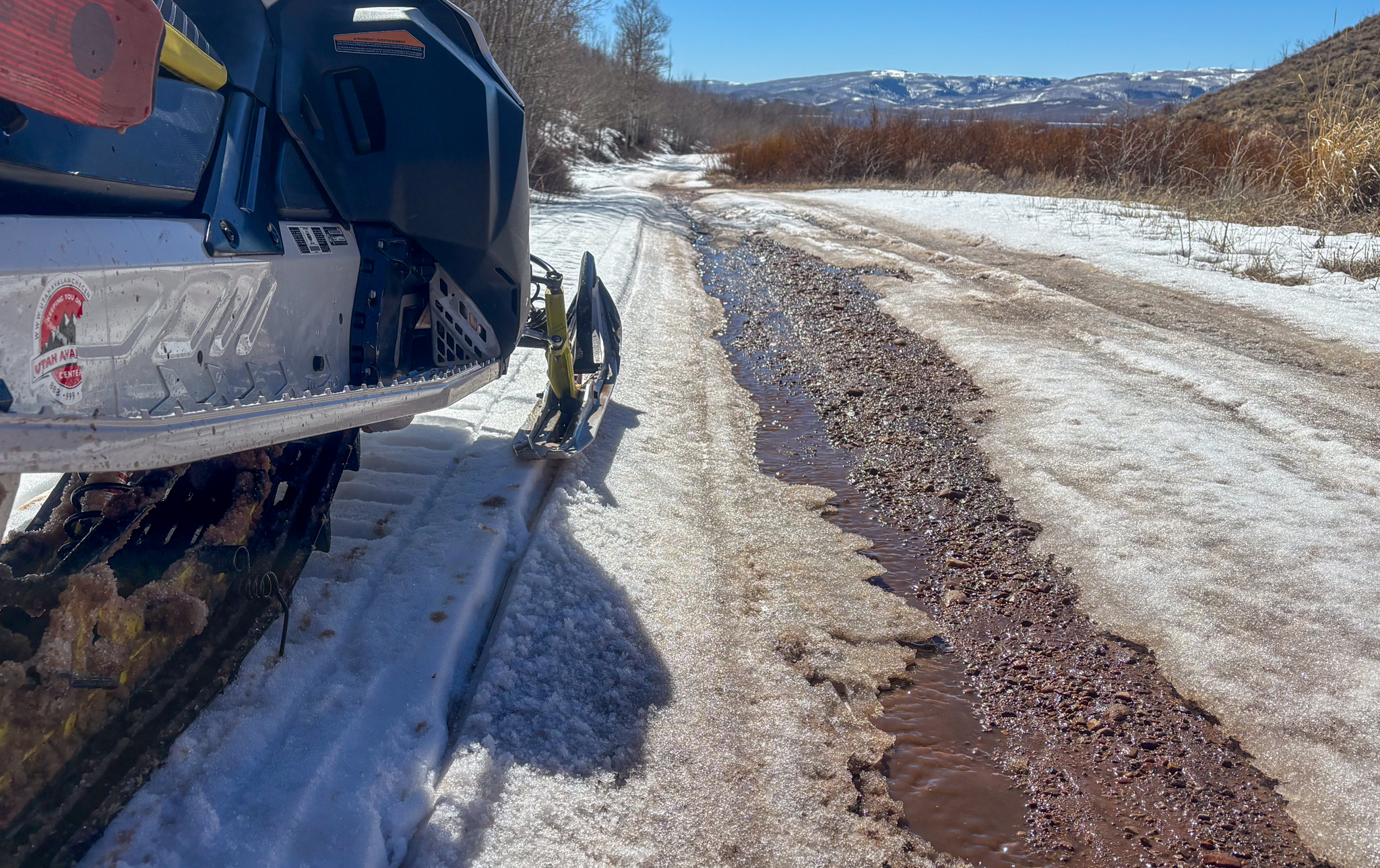
A cool down can't save us now and access has become challenging from many of our trailheads and I think we are getting close to the end of it, for tracked vehicles that is.

Recent Avalanches

No new avalanche activity has been reported or observed in the past 24 hours. But there is still stellar intel waiting for you on our observations page, and you can check out recent avalanches and travel observations from across the range below.


Avalanche Problem #1
Persistent Weak Layer
Type
Location
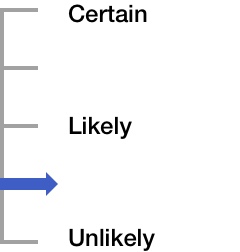
Likelihood
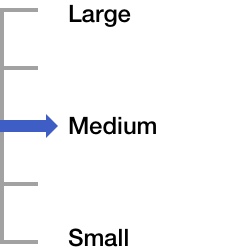
Size
Description

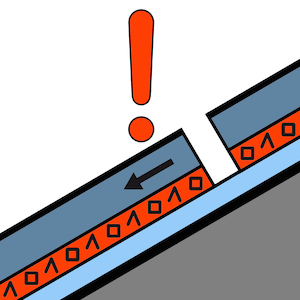
It's straight up tricky out there, and here's why. Mid and upper elevation northerly terrain offer the best riding but also the greatest hazard because a dense, cohesive slab rests on top of weak, faceted snow that formed during the dry January spell. It’s strong snow over weak snow and that’s a dangerous combo. We can trench multiple sets of tracks on a slope without triggering an avalanche. But all we need to do is find a weakness where the slab and weak layer are susceptible to our additional weight as a rider, maybe around a rock or a bush, collapse the pack, and now we have triggered an slide we did not bargain for.

My go-to and only tool for this set-up is avoidance. Complex terrain that is steep, rocky, and shallow on the north half of the compass is still off the table -- I can not outsmart this problem, so avoidance is my go-to tool for this dragon.

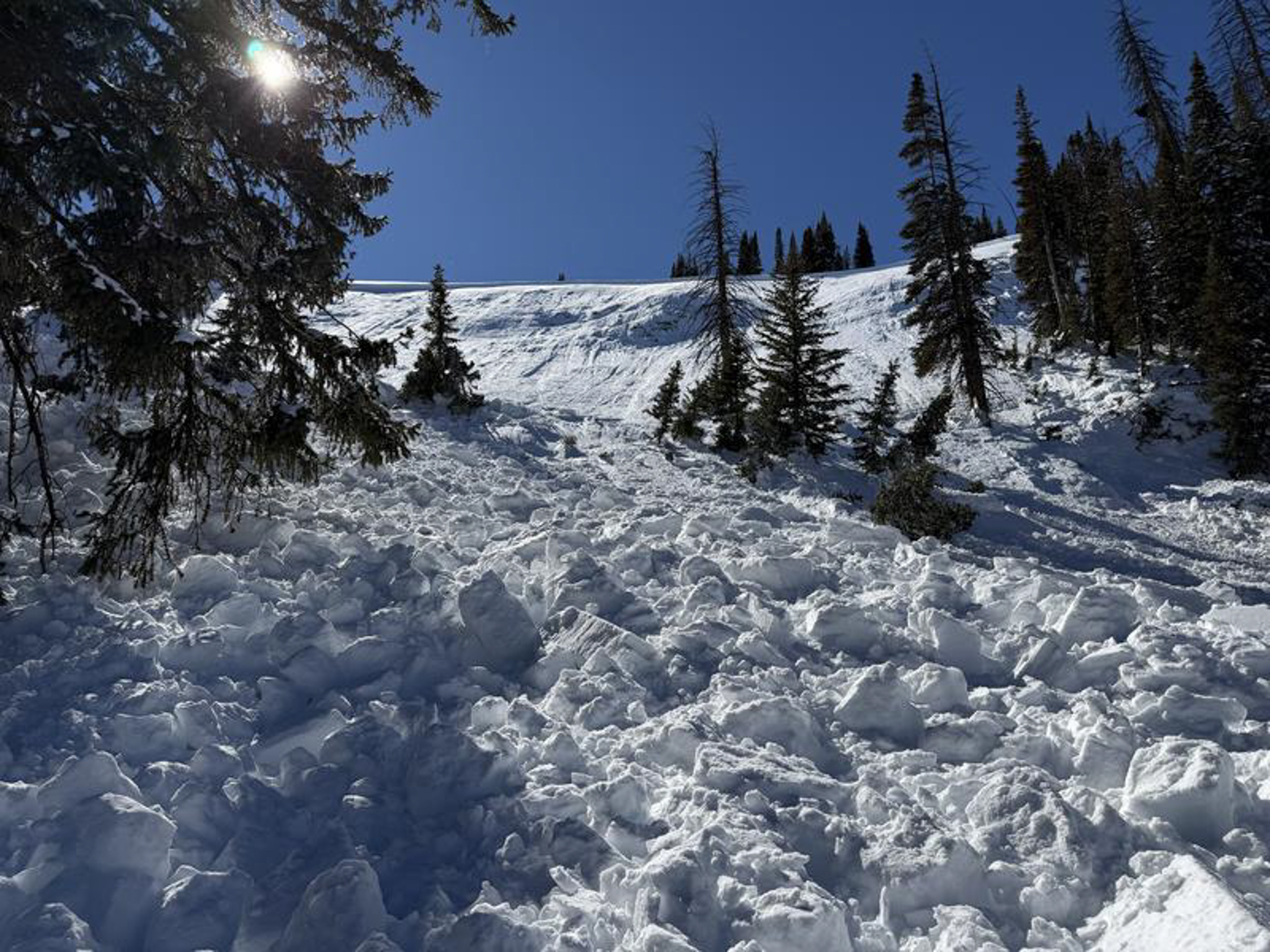
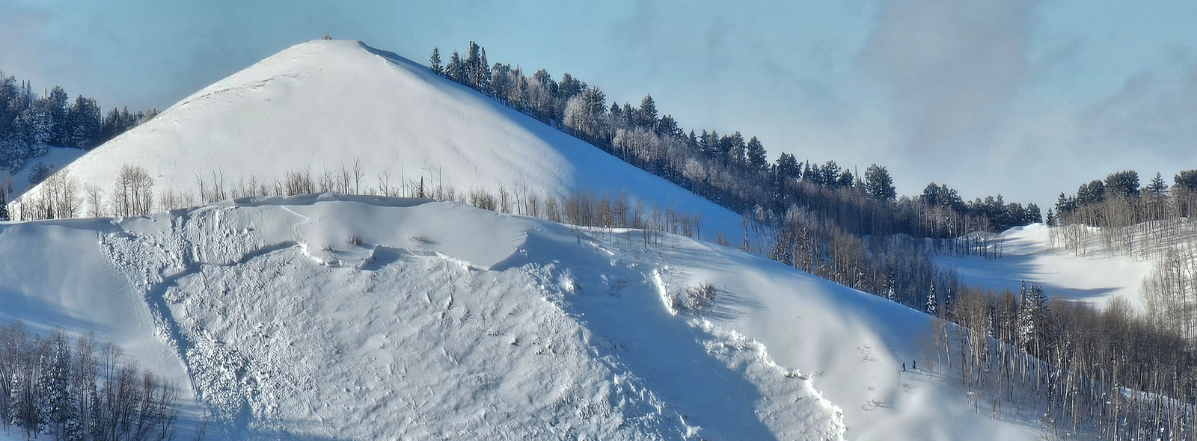
Above is the slide on Duchesne Ridge that produced SUV-size chunks of debris stacking up deep in the runout and trees below. Getting caught up in a slide like this could potentially be game over -- Trees turn to baseball bats, and debris chunks are like boulders coming down on top of you.

Avalanche Problem #2
Wind Drifted Snow
Type
Location
Likelihood
Size
Description

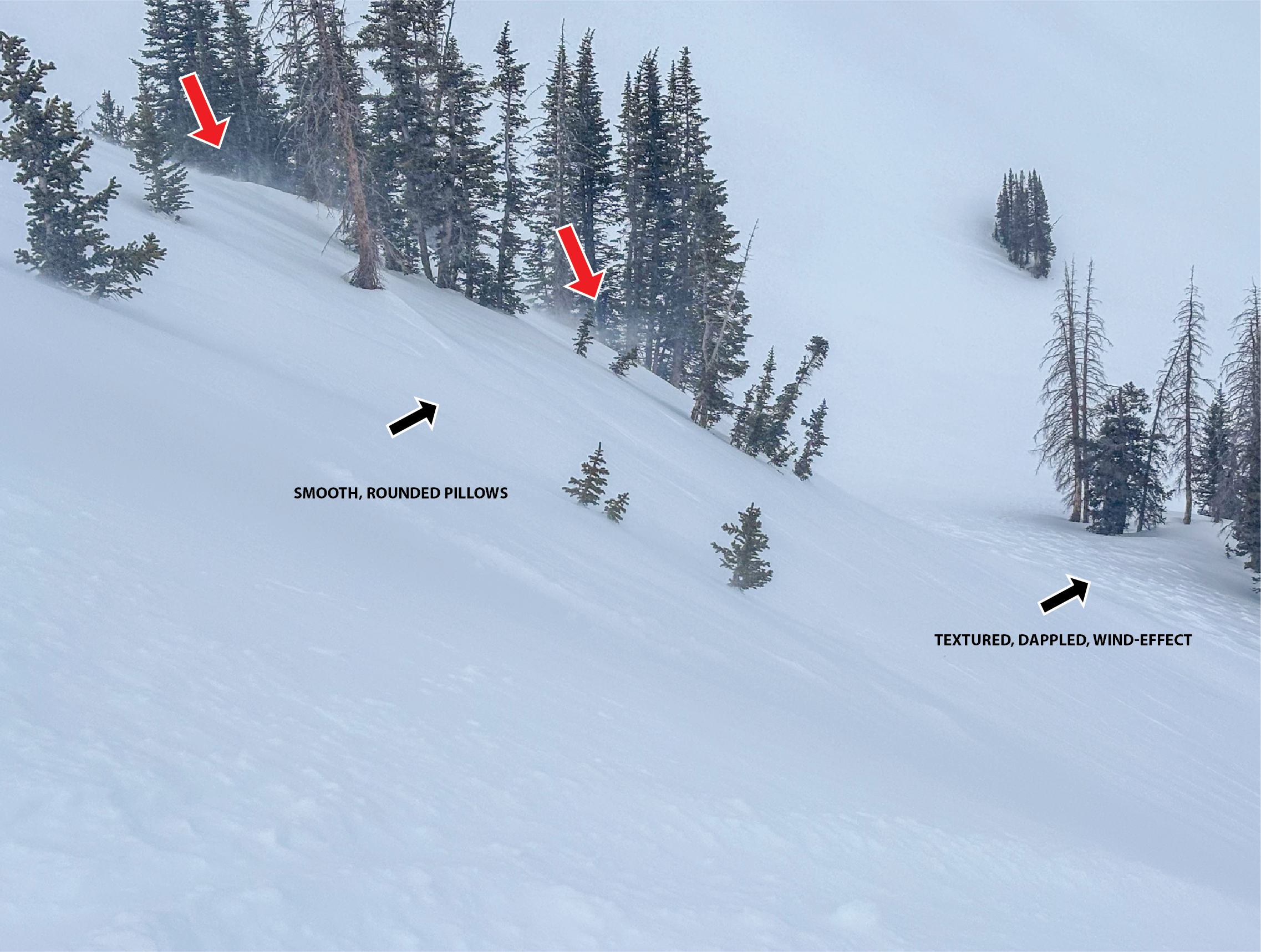
Over the past 24 hours winds blowing from the west half of the compass have loaded leeward slopes on the east half of the compass at and above treeline. As a rider it's possible to trigger a hard-slab wind drift today, and I'd expect them to be pockety and stout, failing 1-2' deep in steep, rocky and exposed terrain in the windzone. There are lots of variable snow surfaces out there, but winds blowing in the 40,50's and gusting into the 60 MPH category will always find some snow move around. Remember, any avalanche triggered can step-down into buried weak layers within the snowpack, triggering a larger avalanche than we signed-up for.

Fortunately, this is a very manageable avalanche dragon to identify and an equally easy one to avoid. Simply steer clear the windzone or avoid fat, rounded pillows of snow, especially if they look textured and feel hollow.

Above, red arrows indicate rolling snow that is loading leeward slopes at mid and upper elevations. The black arrows indicate a few of the things to look for when trying to identify and avoid todays hazard.

Additional Information

Join the UAC for the first at Bear River Lodge in the Uintas, March 19th-22nd. This course is designed for snowmobilers by snowmobilers, where you will learn avalanche rescue, riding skills, and how to survive in the backcountry. Come enjoy all the luxury offerings at Bear River Lodge and improve your skills along the way.

Our Avalanche Rescue Training Park is set-up and located at the top of Wolf Creek Pass, SR-35, and is waiting for you to come take it for a spin! Open up the control unit, flip a few switches, and dial in your avalanche rescue skills with this roadside attraction!

More details about the WCP Beacon Park, here!

General Announcements

We have some upcoming classes and events that we'd be stoked to see you at -- Please reach out with any questions and check out below for more details!

We are always looking for snow and avalanche observations or just general riding conditions. Reach out to us with questions, concerns, or if you see anything in your travels! Contact us directly through the info below:

This forecast is from the U.S.D.A. Forest Service, which is solely responsible for its content. This forecast describes general avalanche conditions, and local variations always occur. This forecast was issued on Wednesday, March 11 at 0600 and expires 24 hours after it was issued. We'll update this information by 07:00 AM tomorrow.