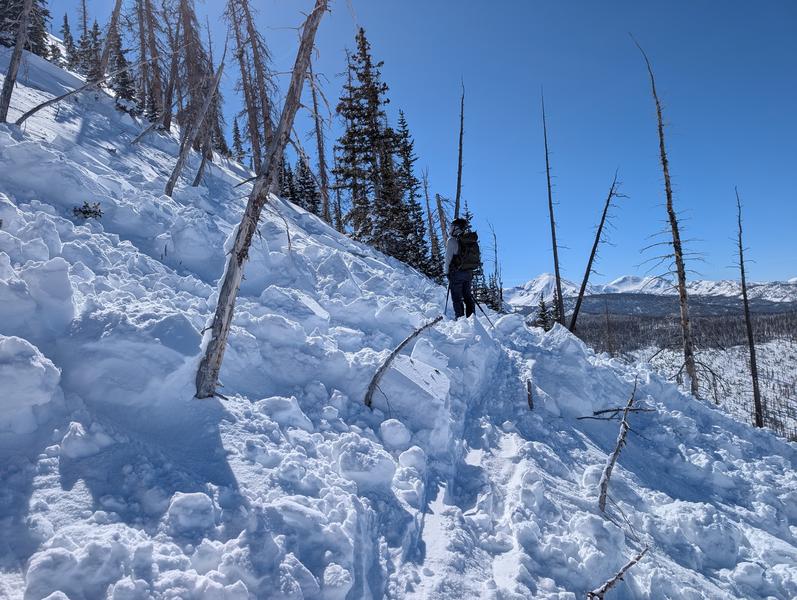
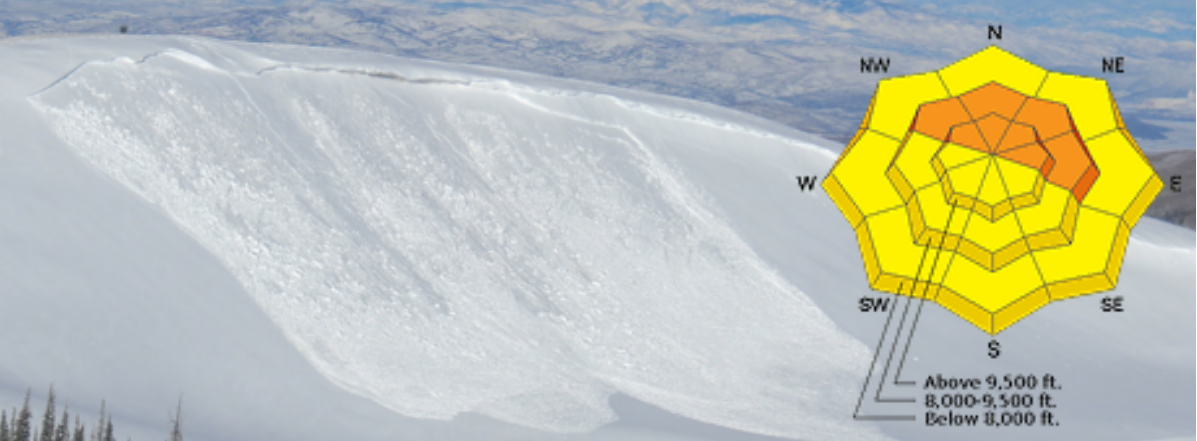
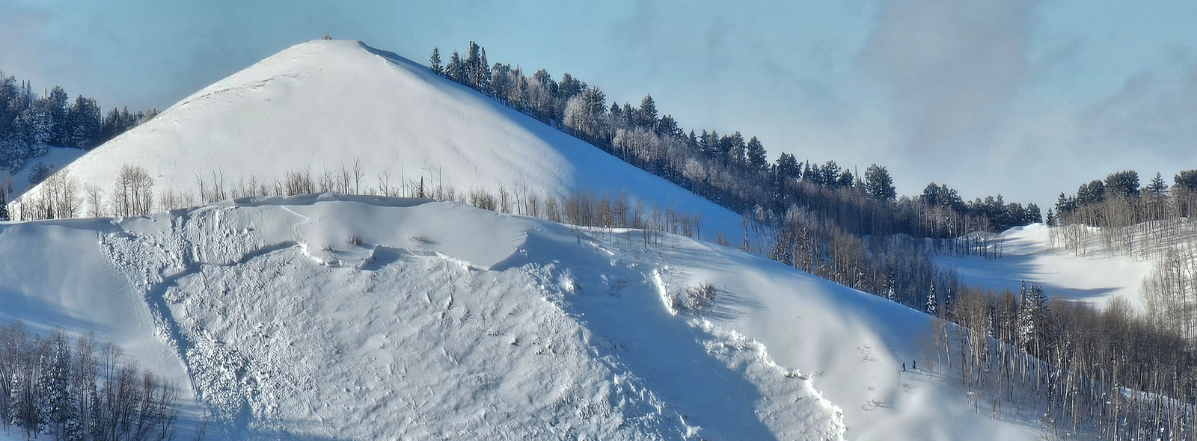
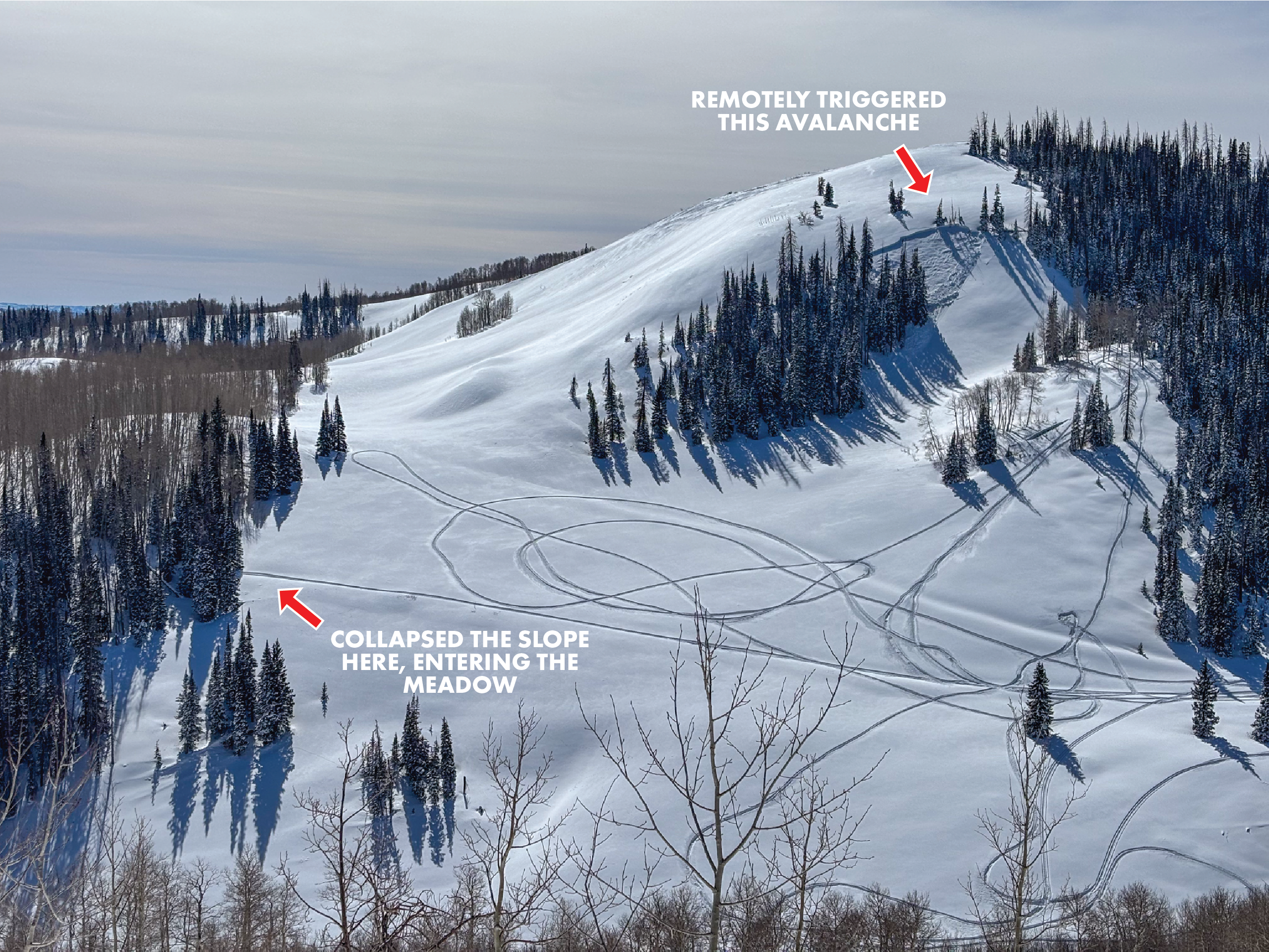
 Yesterday, we remotely triggered this avalanche from nearly 1,000' away. Although this is a small avalanche and a benign piece of terrain, it is a great example of how spooky our snowpack currently is and the behavior of our avalanche problems.
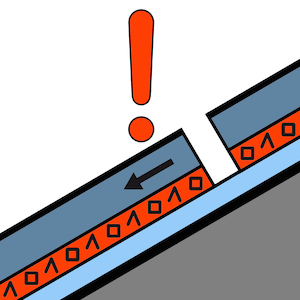
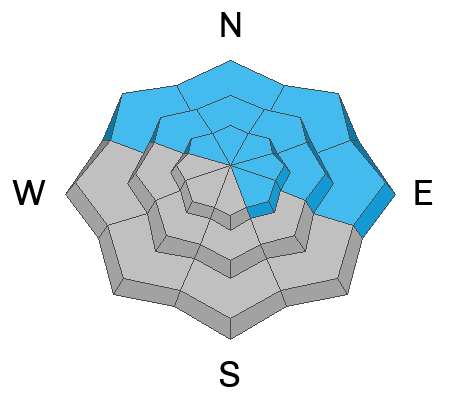
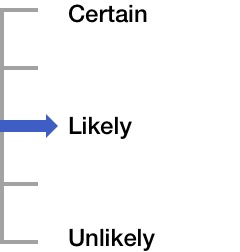
On northwest through east aspects at all elevations, our January Drought Layer (JDL) is buried 1-4' deep and well preserved by our most recent set of storms that exited the region this past week. The faceted snow that is buried is extremely weak and has been coming to life with the recently received 2-3' of snow and up to 3" of SWE, in some areas across the range. We can remotely trigger todays persistent slab avalanches that will be large, up to 4' deep and break hundreds of feet wide across slopes, wrapping around features of terrain and piecing together starting zones.
When I think of bullseye terrain where I could trigger a dangerous slide, places like Currant Creek Peak, Heber Mountain, Mill Hollow or Humpy Creek come to mind. Sure, we can trigger the big slope that has an obvious hazard to us as riders, but my greater concern is the benign, more protected slopes, that we usually ride right past or don't give much thought too. Im also thinking about cut-banks, gullies, and small terrain features that we usually don't think twice about playing on, but with our current set-up, are some things I am keeping an eye on.
We continue to see and hear lots of red flags out there -- Large cracks shooting out hundreds of feet in front of our rigs, several booming, audible collapses on the north half of the compass that rumble slopes and shake snow off the trees. Unfortunately, we are going to be dealing with this problem for a while and have to understand that avoidance is the only, and best tool for the job, when dealing with persistent weak layers. 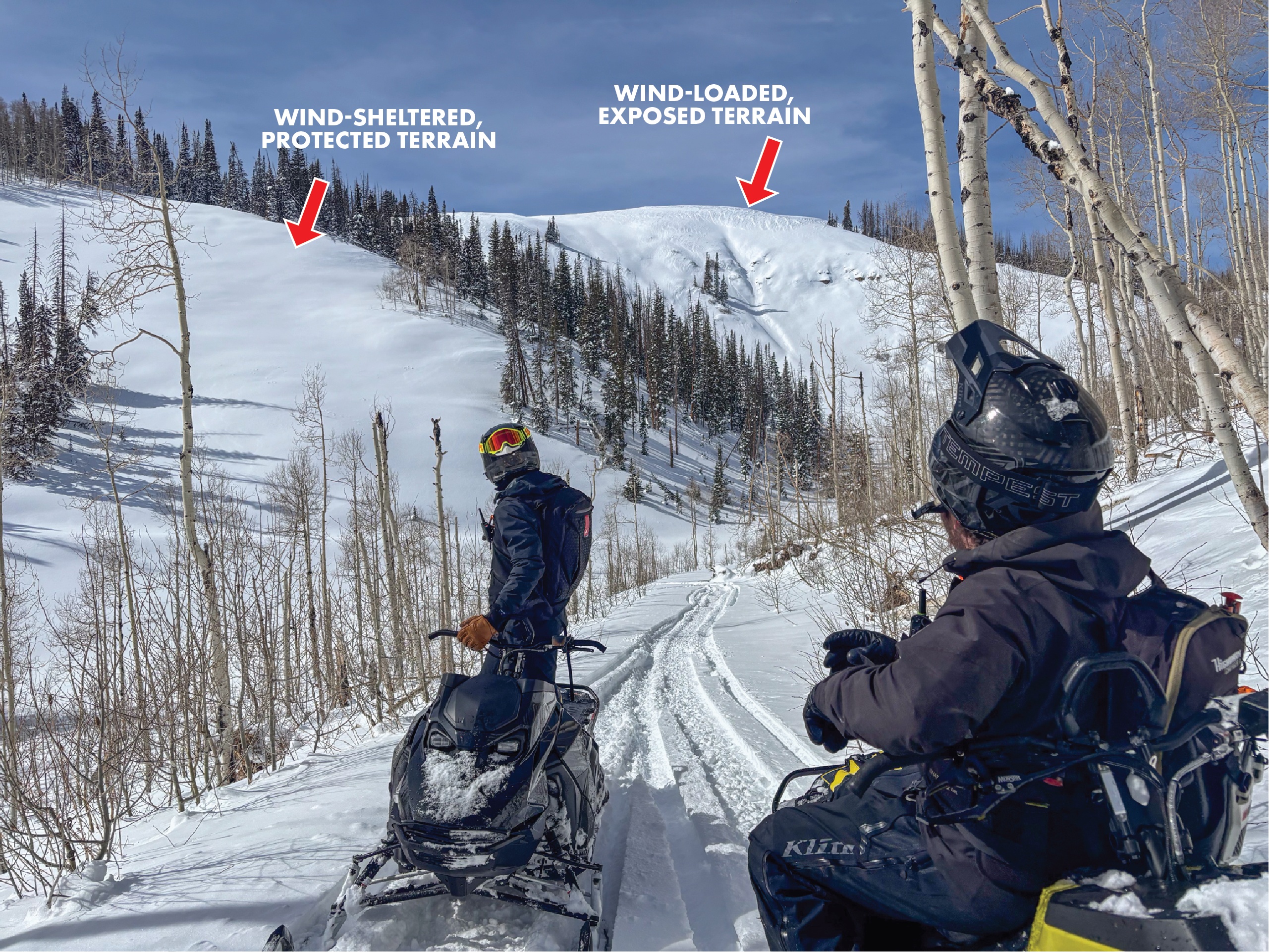
We typically would view the slope on the right as being more intimidating, and scary when it comes to avalanches, but the slope on the left is where my greatest concern lies -- Protected, wind-sheltered terrain is where a majority of our human-triggered avalanches are occurring and our snowpack is most reactive.



 Low elevations have finally come into play making travel that much easier across the range. Near Strawberry and beyond, our good shot of snow last week has settled out and made road travel in and out of riding zones a real treat.