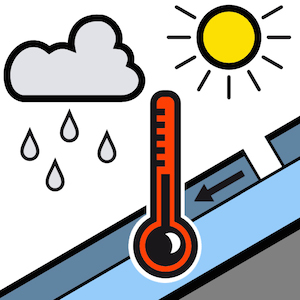
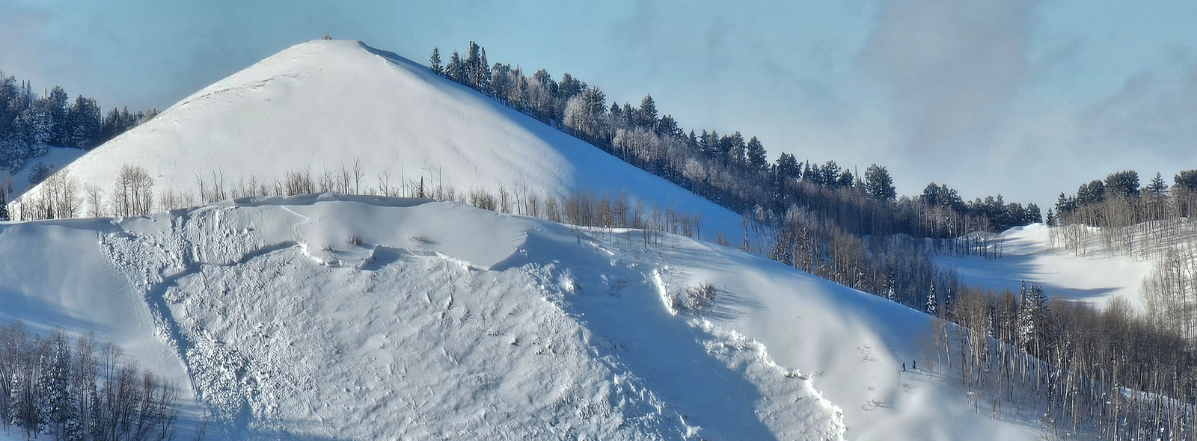
It’s been roughly 96 hours since the snowpack last saw temperatures below freezing. We’re now in a classic spring pattern, where sustained warmth is driving multiple avalanche problems. As the snowpack heats up, free water begins moving through it, weakening bonds and increasing the likelihood of wet-snow avalanches.
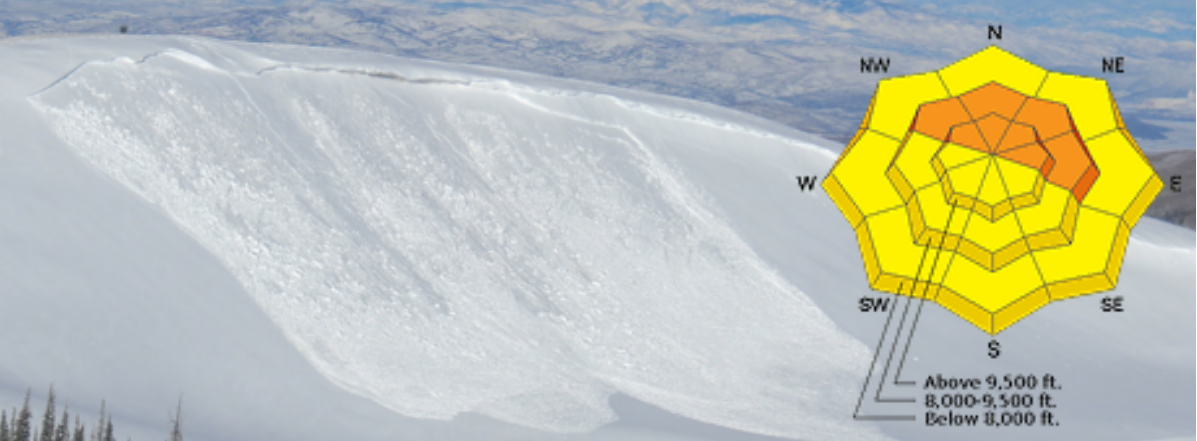
The most widespread issue will be wet-loose avalanches. As the day warms, expect the snow surface to lose strength and become wet and unsupportable. Wet-loose avalanches will be the most common and are easy to trigger once the surface breaks down. These often start small but can quickly pick up snow, gouge deeper into the snowpack, and become dangerous—especially in steep terrain or above terrain traps.
There is also the potential for wet slabs. These are less common but much more destructive. As meltwater moves deeper into the snowpack, it can pool on buried crusts or weak layers, weakening the structure and allowing avalanches to break deeper and wider. These can occur with little warning and are difficult to manage. Today is not the day to be on or beneath large slopes, especially during the heat of the day.
Glide avalanches will remain a concern. These occur when the entire snowpack slowly slides on the ground, typically over smooth rock slabs or grassy slopes. They are nearly impossible to predict and are almost always natural. Large glide cracks are the main clue, but they don’t indicate when a slope will release. Avoid traveling on or beneath slopes with visible glide cracks or known glide activity.