Forecast for the Provo Area Mountains

Brooke Maushund
Issued by Brooke Maushund on
Tuesday morning, February 24, 2026

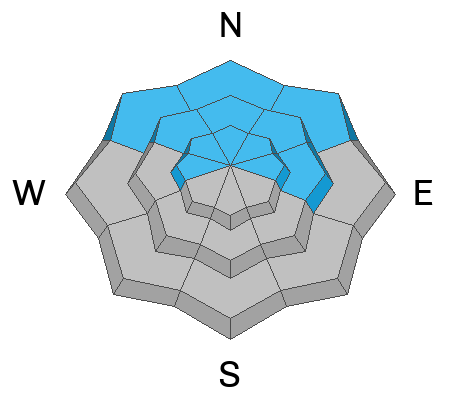
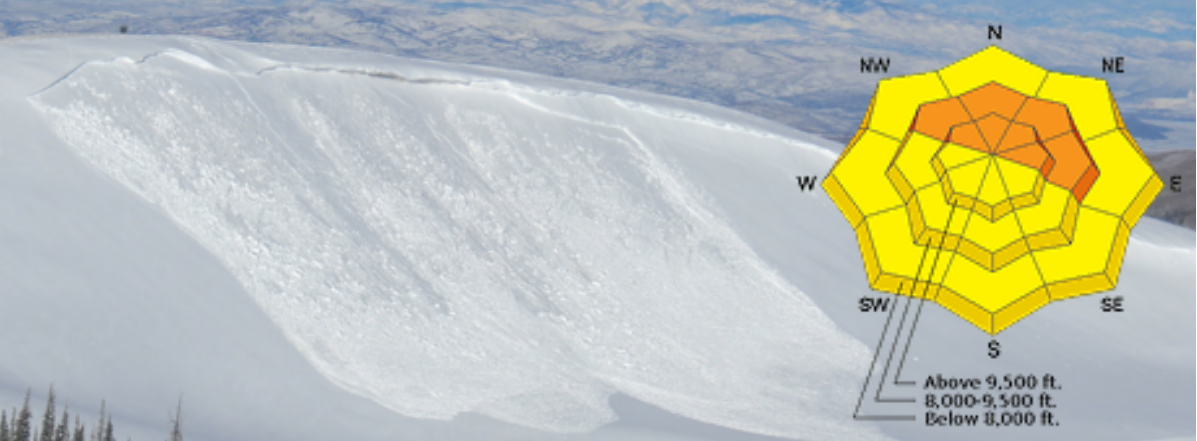
The avalanche danger is CONSIDERABLE on all slopes facing NW-N-E, including upper-elevation slopes facing W, and mid & upper-elevation slopes facing E - where three people have died in the past week triggering an avalanche up to 3 feet deep and hundreds of feet wide on a persistent weak layer (PWL). As a wet and warm storm brings rain up to 9800' by this evening, expect wet snow avalanches to become larger and increasingly likely around the compass throughout the day.

Be on the lookout for small pockets of wind-drifted snow on slopes facing NW-N-E as well.

Low
Moderate
Considerable
High
Extreme
Learn how to read the forecast here
Special Announcements

Three people died in separate avalanche accidents in the past week, with a fourth in critical condition. We're not messing around: dial it back. Walk back in the door tonight.

  • 2/18 Big Flat, Snake Creek Fatality — Snowmobiler. Preliminary report HERE.
  • 2/19 Rock Garden, BCC Backcountry Fatality — 11-year-old skier. Preliminary report HERE.
  • 2/21 Butler Basin, BCC Backcountry 1 Injured, 1 in Critical Condition — Backcountry skiers. Preliminary report HERE.
  • 2/22 Caribou Basin, Snake Creek Fatality — Snowbiker. Preliminary report HERE.

It took some time to read through that long list, didn't it? Let's not add to it today. Our sincerest condolences are with all those impacted.

Weather and Snow

Yesterday, a partly sunny day with rising temperatures from recent days began to heat up the surface snow, with the beginnings of wet snow issues reported. Winds shifted from out of the SW to more westerly overnight, blowing in the 30s mph at ridgelines with gusts as high as 65 mph on the highest peaks.

Today, westerly winds are continuing to build as a wet and warm system arrives on SW flow. While the timing of when the precipitation will arrive is uncertain—late morning thourgh afternoon is our best guess—the freezing levels mean something a bit more certain: rain on snow. Freezing levels will start at 7800' this morning before rising to as high as 9800' feet this evening as precipitation rolls in. We can expect near 0.5" by tomorrow morning—and not a whole lot of snow.

Forecaster's Corner—If you get one thing out of today's forecast, I hope it's this: three people have died in less than a week in avalanche accidents, with a fourth in critical condition. When an avalanche fatality happens, it doesn’t just affect the victim and the partners present. An avalanche fatality has ripples throughout the victim’s family, through their community, through the rescuers who help bring them home. The lives and perspectives of each of the people who were with each of the avalanche victims during these accidents will be forever changed by tragedy. So I ask you today: is riding the steep slope worth that? Not only for you, but for those around you, and those in your community.

Recent Avalanches

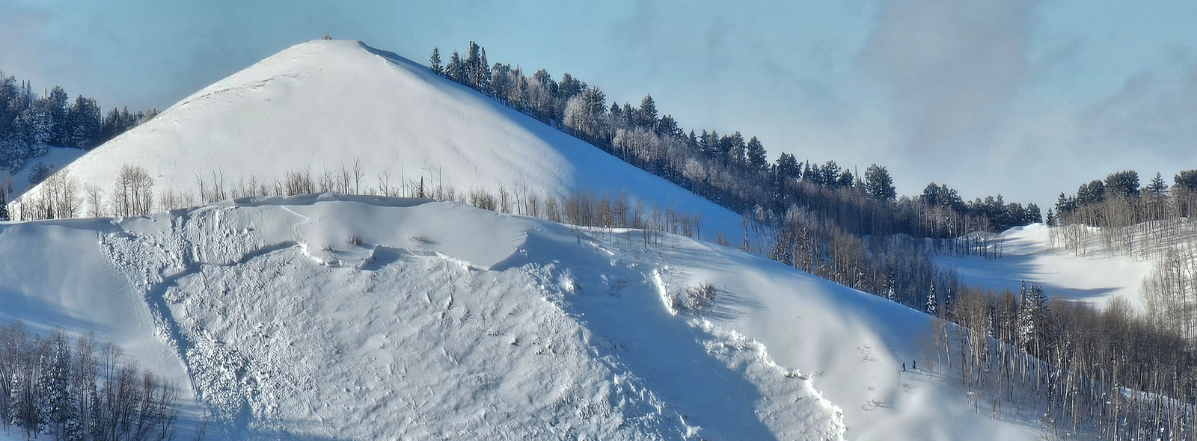
Where do we start? In the past week, nearly 60 avalanches have been reported to the UAC, with easily many more that we haven't heard of. In addition to the three fatalities this past week, avalanche accidents on Saturday included a close call/near miss in the Ant Knolls where a snowmobiler was caught and carried, fortunately ending up on top of the debris. The avalanche was up to three feet deep and 500 feet wide, and is shown in the photo below.

Photo of Saturday's avalanche in the Ant Knolls area [Photo: J Milligan]

Avalanche Problem #1
Persistent Weak Layer
Type
Location
Likelihood
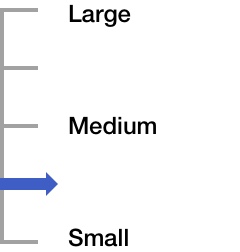
Size
Description

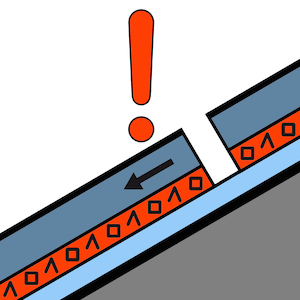
The persistent weak layer (PWL) has killed 3 people in the past week.

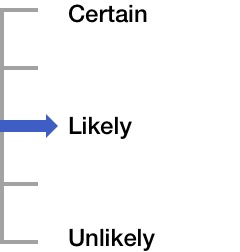
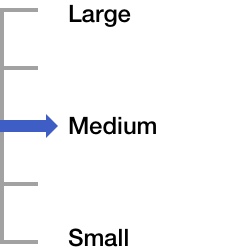
You can find the PWL—weak snow formed during our dry period in Janaury, or Dry January Layer (DJL)—on slopes facing NW-N-E, where it is likely for you to trigger an avalanche more than 3 feeet deep and hundreds of feet wide. This includes upper elevation W. Don't believe us? Think it's "settling out"? I think rescue crews and friends and families of victims would say otherwise. Nearly 60 avalanches failing on this PWL have been reported to the UAC on this layer since last weeks storms, and more are out there unreported. These will be most likely on slopes where wind has drifted additional snow, like where the Caribou Basin fatality occurred.

The safest strategy to avoid being caught in one of these large avalanches is to avoid terrain 30° and steeper on slopes facing the north half of the compass. Avalanches can be triggered remotely (from a distance) on lower-angled terrain, including from below.

Avalanche Problem #2
Wet Snow
Type
Location
Likelihood
Size
Description

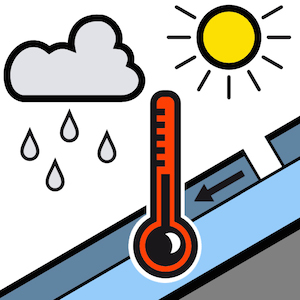
With up to 0.5" of H2O set to fall before tomorrow—primarily as rain, up to 9800'—we can expect wet activity to increase in likelihood and size throughout the day.

Wet activity will start out at the lower elevations before climbing higher and higher throughout the day as rain falls. Roller balls, pinwheels, and sinking into the snow more than you were earlier are signs to get out of there. Be aware of the increasingly dense new snow from last week moving with force and weight—particularly near terrain traps such as gullies and road cuts.

While it is February, we can't rule out the potential for destructive Wet Slabs to run if the forecast produces. It wouldn’t be the first time a wet slab cycle ran in February, thinking back to cycles in the 23-24 winter in Idaho and Colorado. This season has been nothing but "odd", “irregular”, and “weird”. “This isn’t normal” has been muttered more than a handful of times in AM meetings here, looking at weather forecasts. The only way to move through the season is to continue to expect the unexpected.

General Announcements

This information does not apply to developed ski areas or highways where avalanche control is normally done. This forecast is from the U.S.D.A. Forest Service, which is solely responsible for its content. This forecast describes general avalanche conditions and local variations always occur.