Forecast for the Provo Area Mountains

Nikki Champion
Issued by Nikki Champion on
Wednesday morning, January 7, 2026

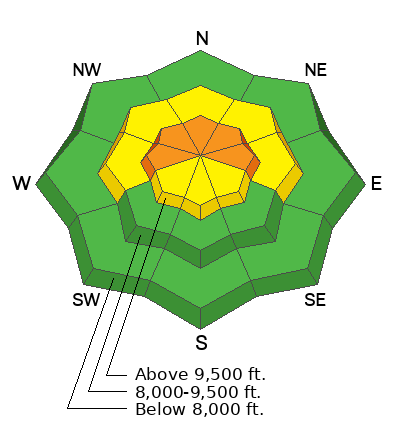
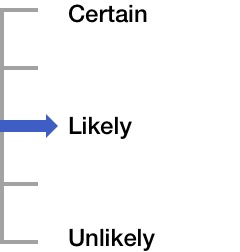
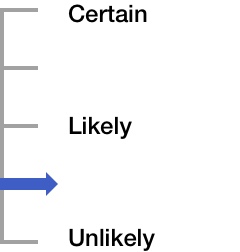
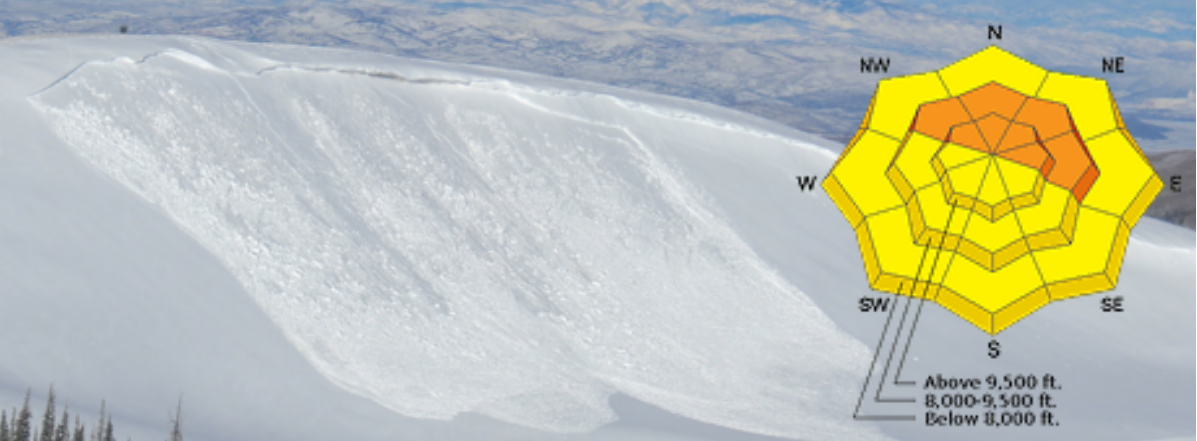
The avalanche danger is CONSIDERABLE on upper-elevation aspects facing W‑N‑E, where human-triggered avalanches are likely and natural avalanches are possible. Avalanches may fail one to three feet deep in new or wind-drifted snow, but can also step down to weak layers buried deeply on northerly slopes. These would be large, unsurvivable avalanches.

The remaining upper-elevation aspects, and mid-elevation aspects facing W-N-E, have a MODERATE danger, where human-triggered avalanches remain possible. Clear skies and soft snow may tempt riders, but the snowpack remains dangerous. Avalanche terrain can be avoided, and excellent riding exists on lower-angle slopes (under 30°).

People venturing out of bounds at ski areas face the same dangerous conditions.

Low
Moderate
Considerable
High
Extreme
Learn how to read the forecast here
Special Announcements

Be mindful of avalanche workers - IF YOU TRIGGER an avalanche near a ski area, please report it to the ski patrol dispatch or Alta Central (801-742-2033). Rescue personnel don’t want to be subjected to dangerous conditions if the scene is clear. More on this in Backcountry Emergency Protocols

Weather and Snow

This morning, skies are partly cloudy with temperatures in the upper 20s to low 30s °F. Winds are out of the southwest, averaging in the 20s to 30s mph, with gusts reaching up to 40 to 50 mph along exposed mid and upper elevation ridgelines.

Today, skies will stay partly cloudy and deteriorate slightly ahead of the incoming storm. Temperatures will hover in the low 30s °F. Winds shift more west southwesterly this afternoon, with wind speeds averaging 10–15 mph along exposed mid and upper elevation ridgelines, with gusts up to 40 mph. Snow could begin as early as this afternoon, but remain light, with possible accumulation up to 1 inch by 5 PM. The main push of the storm arrives this evening.

This system looks more traditional, bringing colder temperatures and lower-density snowfall. Confidence is high for snow along and just behind the cold front, though uncertainty in storm timing and density still impacts final snowfall and SWE totals. Current projections range from 8-14 inches of snow, with up to 0.80 inches of water.

Recent Avalanches

Yesterday was a busy day for avalanche observations. With improved visibility, it was easier to get a grasp on what all happened mid-storm. You can find a few recent new snow avalanches for the Provo area HERE.

A dry-loose avalanche from Elk Point on January 5th started with loose graupel pooling down a very steep and rocky chute, then pulling out either a storm slab or old snow slab in parts of the track. Debris overran the first falls and filled in the Primrose sneak. (Woody)
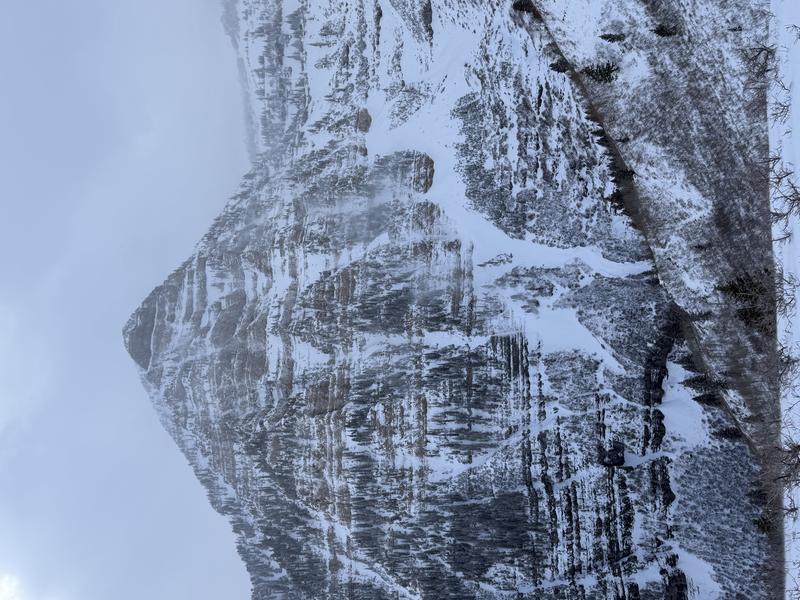
Since Sunday, most of the avalanches reported have primarily been soft slabs of new snow or wind-drifted snow failing either within the new snow or on top of the Christmas Eve Rain Crust, a pattern mirrored by ski resorts through reactive avalanche control work. While that has been the general trend, we continue to see the occasional standout avalanche stepping down below the Christmas Eve Rain Crust. Yesterday, we saw one avalanche step down more deeply into the weak snow near the ground:

This hard slab avalanche occurred near Oingo Boingo, around 10,200 feet on a north-facing slope. This avalanche was 70 feet wide, 2.5 feet deep, and ran roughly 400 feet vertical. While the trigger remains unknown, the avalanche appeared to step immediately into facets, similar in character to the avalanche Sunday afternoon in Two Dogs.

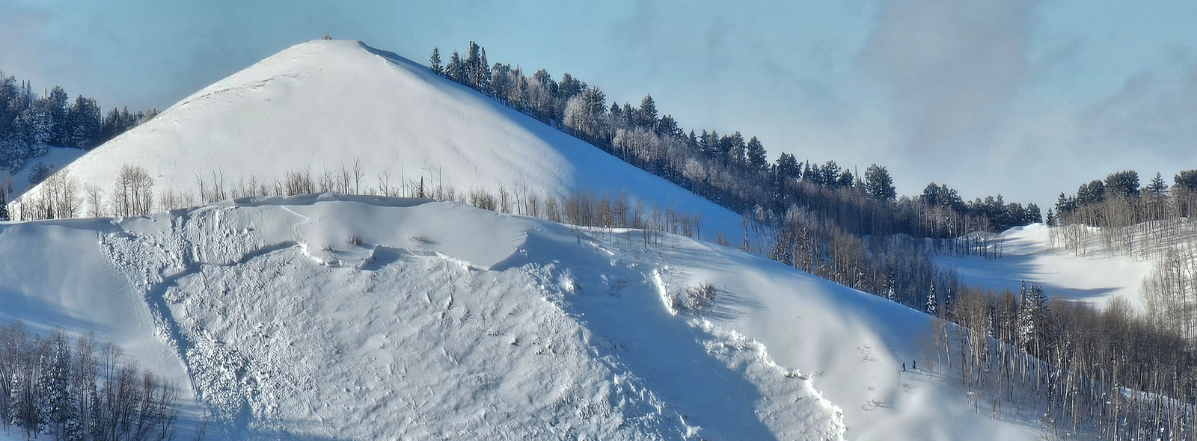
On Tuesday, a snowmobiler triggered a very large hard slab at First Cornice, a zone known for heavy wind loading. The crown averaged 4 feet deep, but near the most heavily loaded areas by the cornice, it may have been up to 7 feet deep. A follow-up investigation by Brooke and Trent confirmed the avalanche was a slab of wind-drifted snow that failed on small grain facets above the Christmas Eve rain crust. The avalanche did not step down more deeply into the old snow below the crust.

Read all backcountry observations here.

Avalanche Problem #1
Wind Drifted Snow
Type
Location
Likelihood
Size
Description

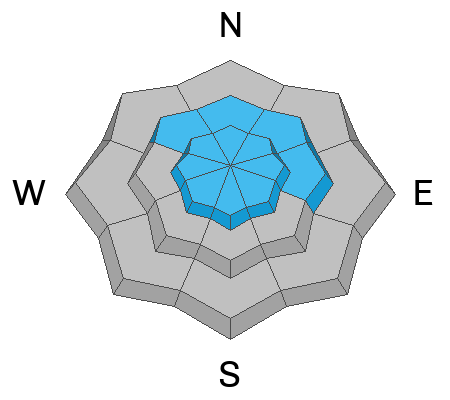
Overnight, winds have been gusting up to 50 mph at the highest peaks. These moderate to strong west-southwest winds will continue to drift snow primarily onto leeward north and east-facing aspects, although with such strong winds, cross-loading is likely today. This means snow could drift onto all aspects. Watch for cracking as an indication of sensitive, fresh wind drifts.

With multiple days of elevated winds, these drifts will continue to become more stout and supportable, potentially allowing riders to travel farther onto slopes before seeing obvious red flags.

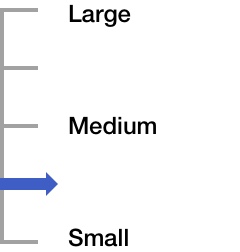
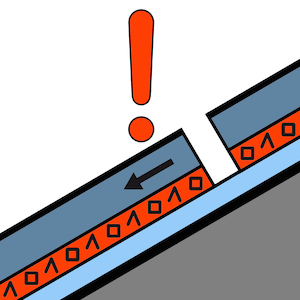
Recent slabs of wind-drifted or new snow may step down 2 to 3+ feet into the Christmas Eve rain crust (CERC), and could also step deeper into older facets near the ground, with avalanches exceeding 5+ feet possible. Regardless of whether these avalanches step down more deeply, they remain large and dangerous.

Trent and Brooke investigated the First Cornice avalanche yesterday, which is on the Wasatch Back near the Provo area. Below, they describe a major close call involving a large, tree-snappling avalanche of wind-drifted snow.

Avalanche Problem #2
Persistent Weak Layer
Type
Location
Likelihood
Size
Description

Although these avalanches below occurred in the Salt Lake mountains, a similar snowpack exists in the upper and mid-elevations of the Provo mountains. There have been no recent backcountry, or ski patrol reported avalanches stepping down into the old snow, but the structure still exists.

Yesterday’s avalanche in Oingo Boingo, Sunday’s avalanche in Two Dogs, and now four avalanches in Hidden Canyon this past week all failed in weak snow near the ground. These slides may be a warning that on many slopes with a persistent weak layer (PWL), the added weight of new and wind-driven snow is finally enough to trigger large, destructive avalanches. While things haven’t seemed to come unglued yet, the uncertainty of the pattern and locations should give pause.

For today, I'd continue to avoid traveling on, underneath, or adjacent to any slope approaching 30° or steeper on west, north, or east-facing aspects—especially at upper elevations, where we’ve seen the most activity on this weak, faceted snow.

Additional Information

There have been four significant close calls in the Brighton backcountry this past week. Utah has the highest number of fatalities among skiers and riders who leave ski area boundaries. UAC Forecaster Drew Hardesty analyzed Utah accident data in a 2016 article for The Avalanche Review. These numbers predate the post-COVID surge in backcountry traffic.

General Announcements

This information does not apply to developed ski areas or highways where avalanche control is normally done. This forecast is from the U.S.D.A. Forest Service, which is solely responsible for its content. This forecast describes general avalanche conditions and local variations always occur.