Special Avalanche Bulletin
What
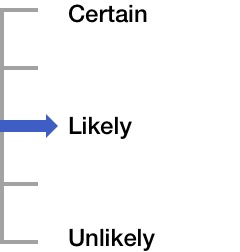
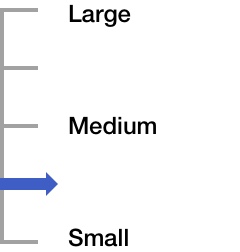
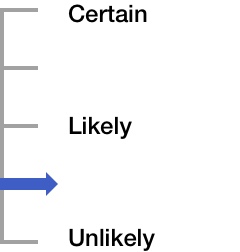
The Utah Avalanche Center is warning of dangerous avalanche conditions throughout the mountains of northern Utah this week, where heavy snowfall and strong winds have created a CONSIDERABLE avalanche danger. Large and unsurvivable tree snapping avalanches 4-6 feet deep have already occurred, multiple riders have been critically buried in an avalanche in the Brighton backcountry since Friday, and more human-triggered avalanches are expected, with natural avalanches possible.
When
In effect from 6AM MST today to 6AM MST Wednesday
Where
For the mountains of Northern Utah, including the Wasatch Range...Uinta Mountains.
Impacts
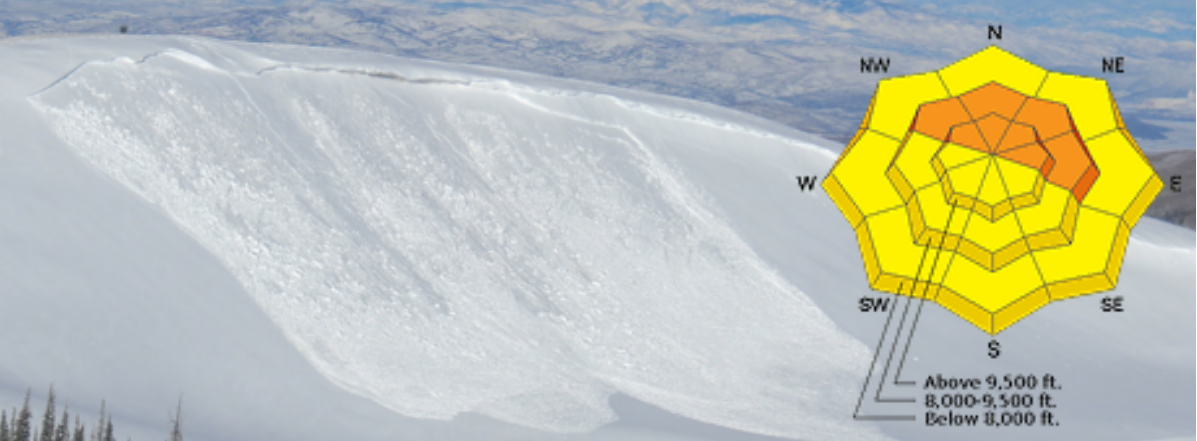
Dangerous avalanche conditions exist on many slopes. Avalanches are likely to be triggered by anyone traveling on or below slopes steeper than 30 degrees and may be triggered remotely (from a distance) or from below. People stepping out of bounds at a ski area are stepping into the same dangerous avalanche conditions.
Be mindful of avalanche workers - IF YOU TRIGGER an avalanche near a ski area, please report it to the ski patrol dispatch or Alta Central (801-742-2033). Rescue personnel don’t want to be subjected to dangerous conditions if the scene is clear. More on this in Backcountry Emergency Protocols
This morning, skies are clear, and the storm appears to have exited the region. Winds are out of the west southwest and sustained, averaging in the teens and 20s mph (prime speeds for building fresh wind drifts), with gusts in the 40s and 50s mph along exposed mid and upper elevation ridgelines. Temperatures range from the upper 20s to low 30s °F.
As of 5 AM, final storm snow water equivalent totals (in inches) include:
→ Provo: Up to 15" snow (2.0" water)
Today will shape up to be a beautiful day in the mountains, with sunny skies and occasional high clouds. Temperatures will climb into the mid-30s °F. Winds will continue to blow from the west southwest, averaging 10–15 mph along exposed mid and upper elevation ridgelines, with gusts up to 35 mph.
After a brief lull, another storm is expected later Wednesday. This looks to be a more traditional system, bringing colder temperatures and lower density snowfall. Confidence is high for snow along and just behind the cold front, though remaining uncertainties in storm timing and density will ultimately shape final snowfall and SWE totals. Current projections range from 6 to 14 inches of snow, with up to 0.8 inches of water.
Recent dry loose graupel avalanches were observed off steep cliff bands in Primrose Cirque. Otherwise, no new avalanches reported from the Provo area backcountry. Just north of Provo, six avalanches were reported in the mountains around the Salt Lake City mountains. Out of those six, two were clear standouts that are both a bit closer to the Provo boundary and, both failed deeper and produced large debris piles.
- Hidden Canyon: A hard slab, skier-triggered, 3.5' deep and 300' wide. This was the fourth significant avalanche in the Brighton backcountry of Hidden Canyon in the past week. There were no injuries. The slide reportedly broke about 30' above the skier, and neither the skier nor his party were carrying avalanche rescue gear. Debris was estimated at 15' deep in places, and the avalanche broke into the old snow.
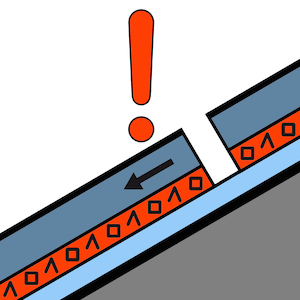
- First Cornice: A very large, snowmobiler-triggered hard slab, 4' deep and 800' wide. This zone is often heavily wind-loaded, and was on average 2-4' deep, but where the cornice was the most heavily wind-loaded, it could have been up to 7' deep. Details remain somewhat unclear, but given the size, it may have stepped into the old snow at some point.
Aside from those two, the remaining reports were primarily shallow new snow or wind-drifted avalanches.
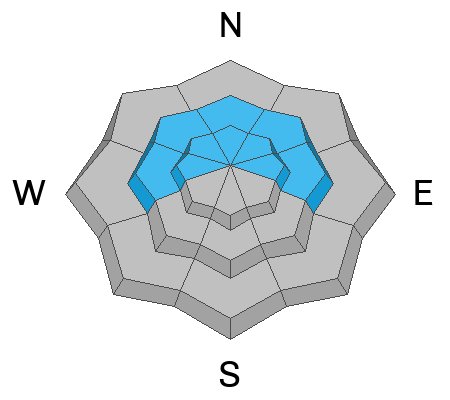
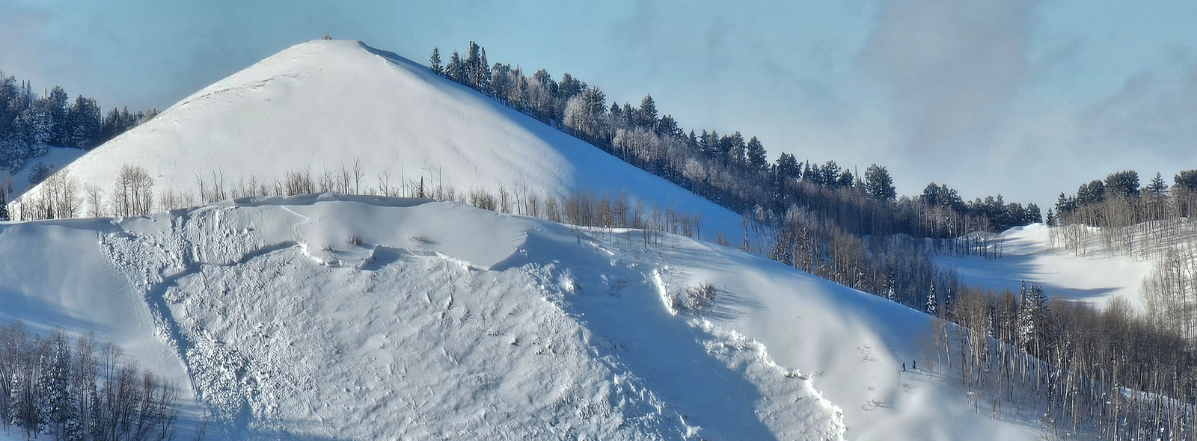
On Sunday afternoon, a party on the ridgeline above Two Dogs in Days Fork accidentally dropped a cornice onto the slope below, triggering a large avalanche. The slide failed above the Christmas rain crust, then stepped down to facets and depth hoar at the ground. It broke on a northeast aspect near 10,100 feet, was 4.5' deep, 250' wide, and ran about 700', snapping trees along the track. Yesterday, Bo and I checked out the avalanche, which had nearly filled back in by the time we arrived. Our full observation is posted HERE.
Read all backcountry observations here.