
Forecast for the Provo Area Mountains

Issued by Trent Meisenheimer on
Saturday morning, January 17, 2026
Saturday morning, January 17, 2026
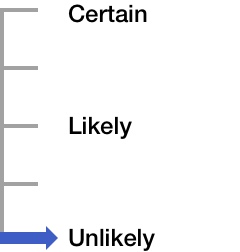
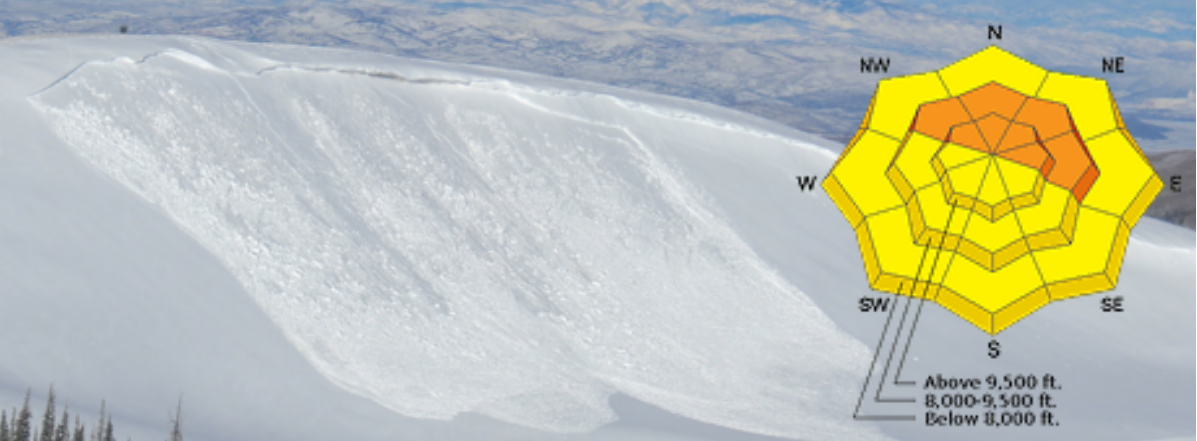
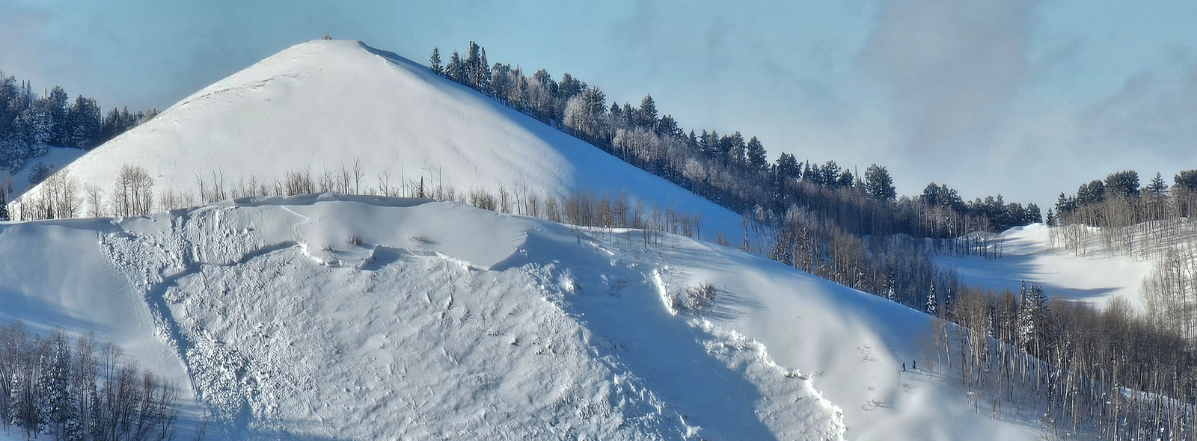
Today the avalanche danger is LOW. You can expect generally safe avalanche conditions, and normal caution is advised. Watch for pockets of unstable snow on isolated terrain features.

Low
Moderate
Considerable
High
Extreme
Learn how to read the forecast here