
Forecast for the Ogden Area Mountains

Issued by Bo Torrey on
Thursday morning, March 26, 2026
Thursday morning, March 26, 2026
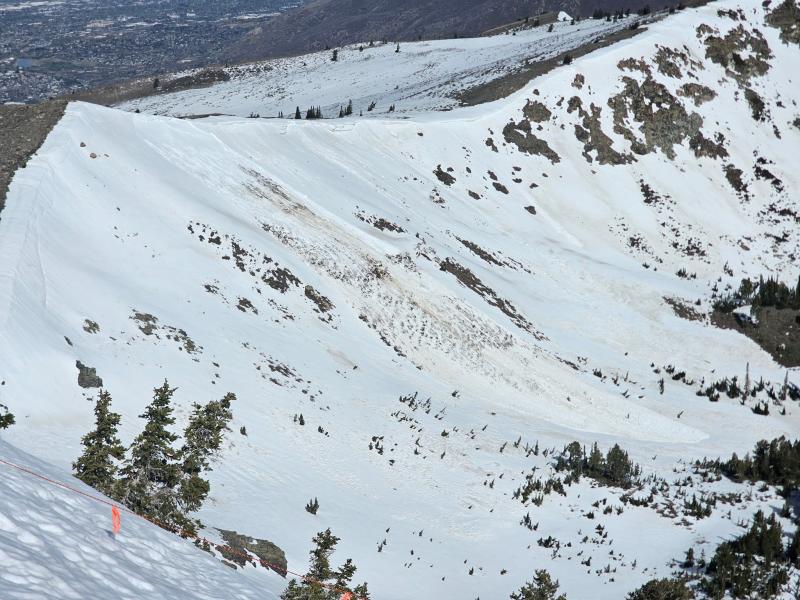
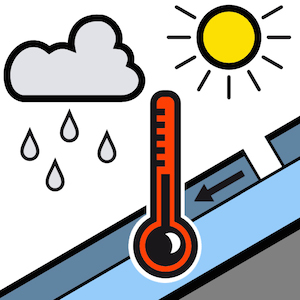
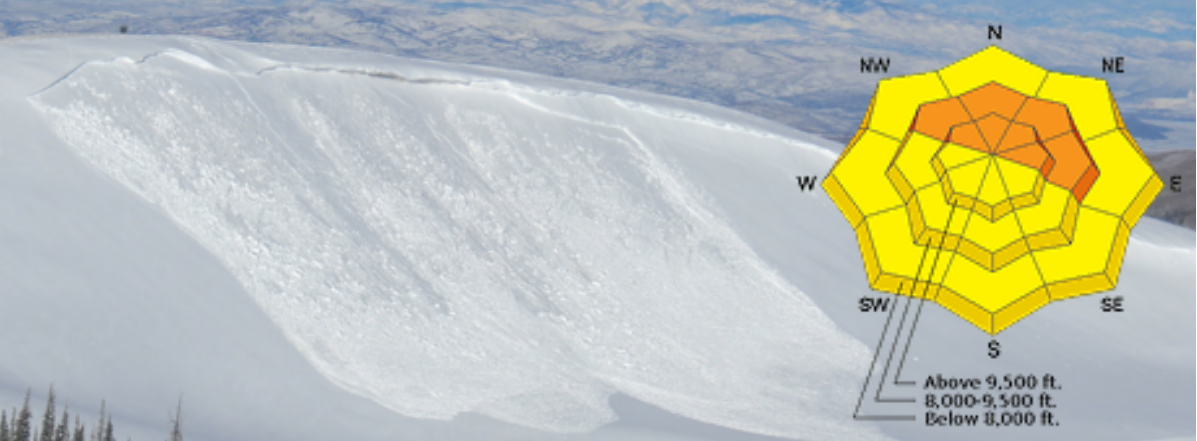
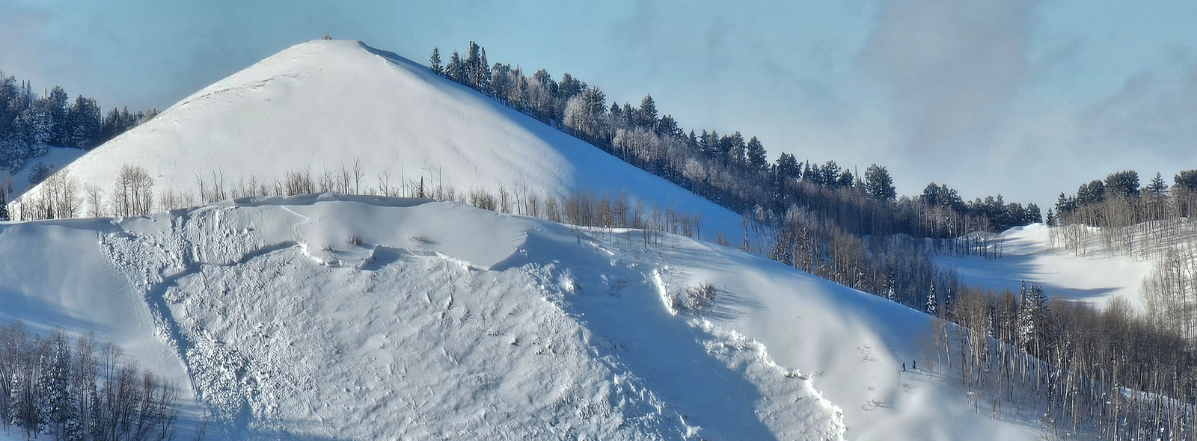
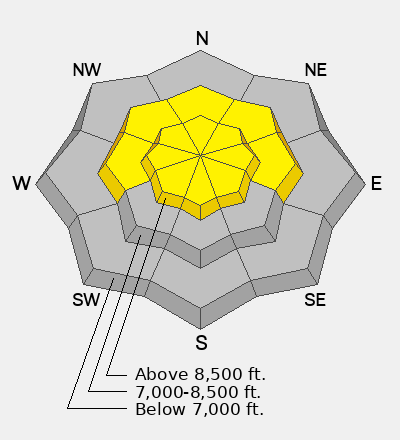
The avalanche danger is MODERATE. As snow surfaces become loose and unsupportable, expect to trigger wet snow avalanches on steep slopes. Large wet-loose and wet slab avalanches have occurred in the last few days, and remain possible today.
(Gray on the danger rose indicates little to no snow.)
Low
Moderate
Considerable
High
Extreme
Learn how to read the forecast here