Forecast for the Ogden Area Mountains

Drew Hardesty
Issued by Drew Hardesty on
Thursday morning, March 12, 2026

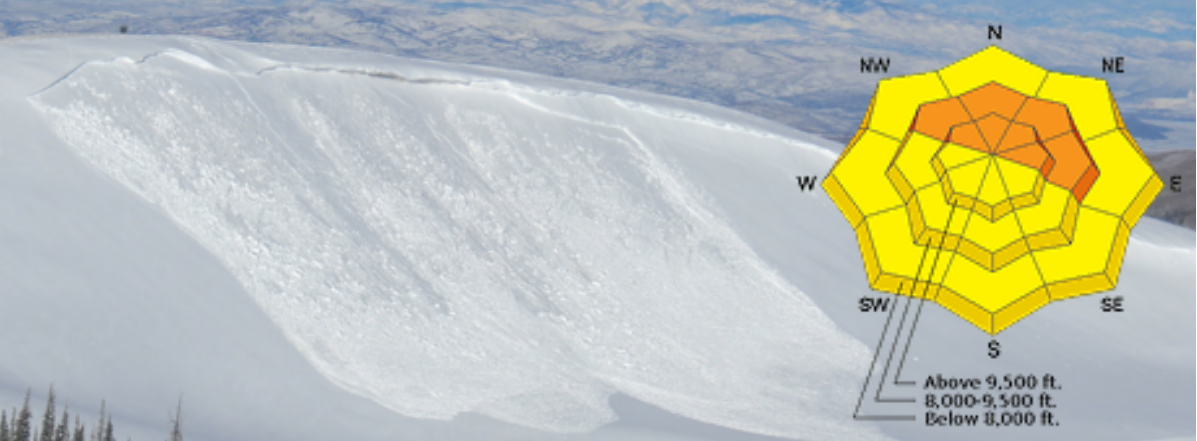
The avalanche danger is LOW and Normal Caution is advised.

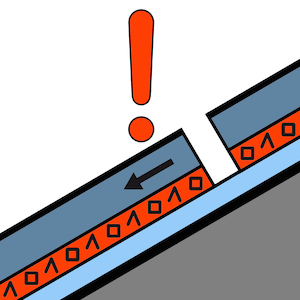
Wet loose sluffs may occur with daytime warming. The buried PWL (persistent weak layer) is mostly dormant and triggering one of these hard slabs is unlikely but not impossible.

Remember that risk is inherent in mountain travel.

Low
Moderate
Considerable
High
Extreme
Learn how to read the forecast here
Weather and Snow

Skies are clear. As of 5AM, temps are in the upper 20s to mid 30s. Winds are blowing from the west, blowing 20-30mph with gusts to 40. A ridge of high pressure parked off the California coast shields us from the storms, pushing them into Idaho, Wyoming, and Montana. But at least we'll see wind.

For today, we'll have mostly sunny skies with some high cirrus floating through. Winds will remain moderate to strong from the northwest; temps will rise to the upper-30s up high, the upper 40s down low. Riding conditions: sun, temperature, and wind crusts dominate the landscape. With proper timing, you'll find soft and creamy corn skiing on solar aspects. With improper timing, you'll find scary and teeth-rattling slide-for-life conditions on the frozen crusts on the early side and unsupportable glop and wet sluff potential on the late side.

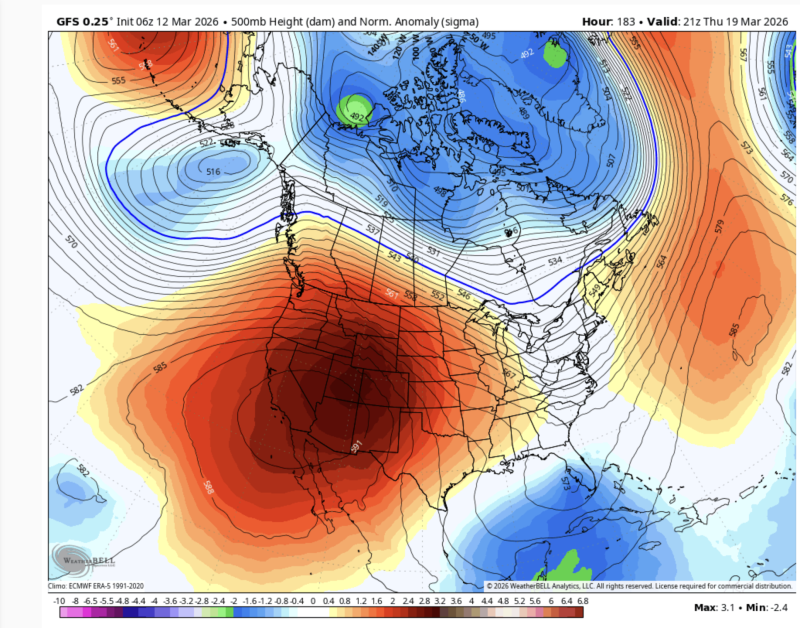
The Outlook: A STRONG cold front crashes through on Saturday, plunging temperatures to the low single digits, but alas it's a mostly dry cold front. We may see 1-3" if we're lucky. Spring rebounds next week and (read this slowly...) indeed it does look as if the sun - yes, our sun - touches down mid-week (GFS weather model below) as mountain temperatures soar into the 50s up high with little to no refreeze. Side note - there is a better than even chance that valley temps exceed 80°F on Wednesday. According to the NWS, this would smash the record for the earliest 80°F day in Salt Lake City, with the previous record earliest 80°F day occurring on March 31st.
Recent Avalanches

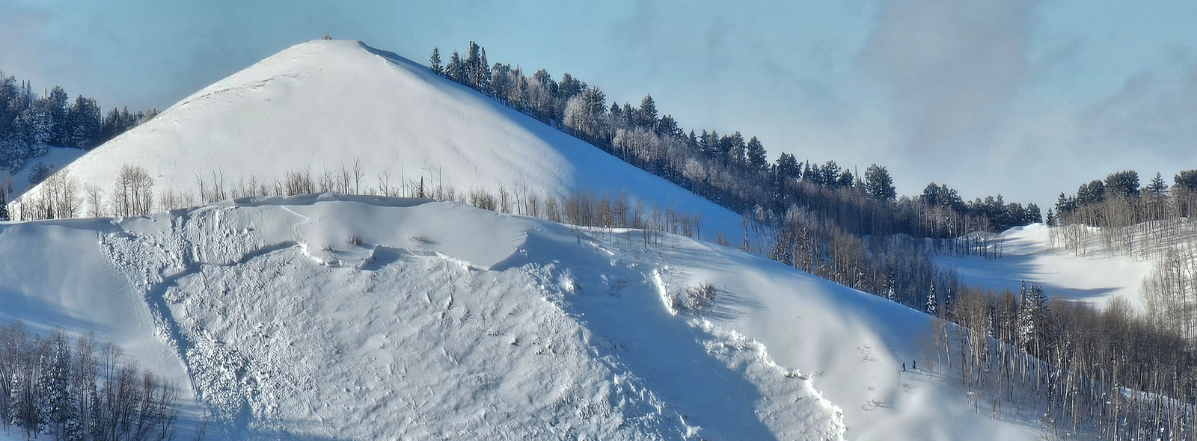
Wet loose avalanches were noted in steep solar terrain prior to Tuesday night's cold front.

Avalanche Problem #1
Normal Caution
Type
Location
Likelihood
Size
Description

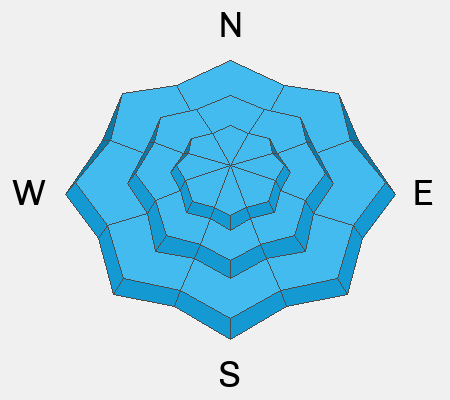
Normal Caution is advised when there is no severe or dominant avalanche problem. That said, there are a couple things to have on your radar today:

Wet loose sluffs may be possible on the steep sunny aspects with sun and daytime warming. IF the cirrus clouds act as a thin blanket, greenhousing may occur and some polar aspects may become damp and unstable as well. PAY ATTENTION to how the snow is reacting to the sun and temps today.

Hard slabs of wind drifted snow exist in the higher elevation bands. These are rated as 'stubborn' to trigger, but you should know that they exist.

Avalanche Problem #2
Persistent Weak Layer
Type
Location
Likelihood
Size
Description

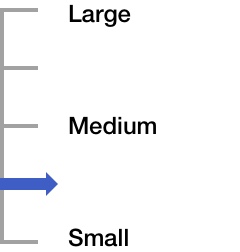
The Dry January Layer (DJL) of faceted snow is 1-3 feet deep and buried by a strong slab and supportable crusts, with the last reported avalanches failing on the DJL on Feb 22nd on Thurston Peak and the 24th just north of there.

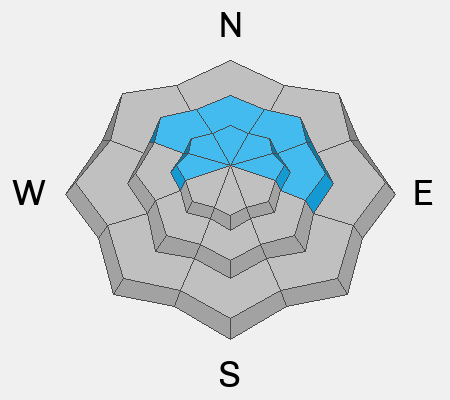
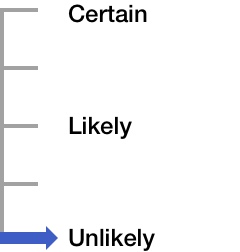
We now view the PWL as dormant and human triggered avalanches are unlikely but not impossible. If you're looking for trouble, however, you may find it in recently wind loaded, steep, thin, rocky terrain in the highest elevations on the north side of the compass.

Looking ahead: with the skyrocketing temperatures next week, we anticipate the PWL becoming active again as melt water percolates down to the faceted grains and wet slab avalanches become our central avalanche problem. Stay tuned.

General Announcements

This information does not apply to developed ski areas or highways where avalanche control is normally done. This forecast is from the U.S.D.A. Forest Service, which is solely responsible for its content. This forecast describes general avalanche conditions and local variations always occur.