Special Avalanche Bulletin
What
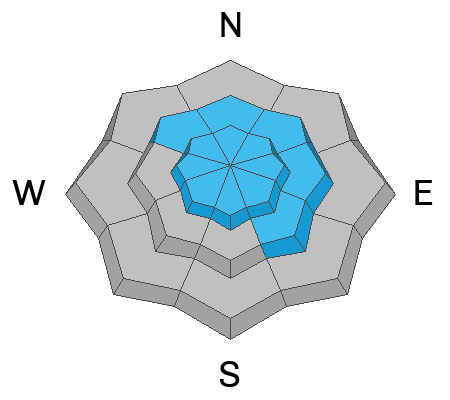
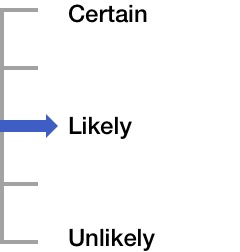
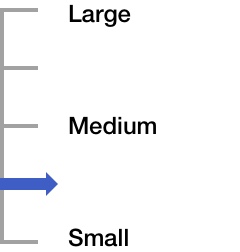
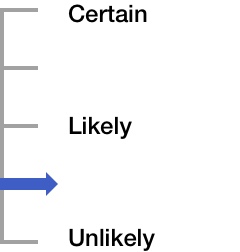
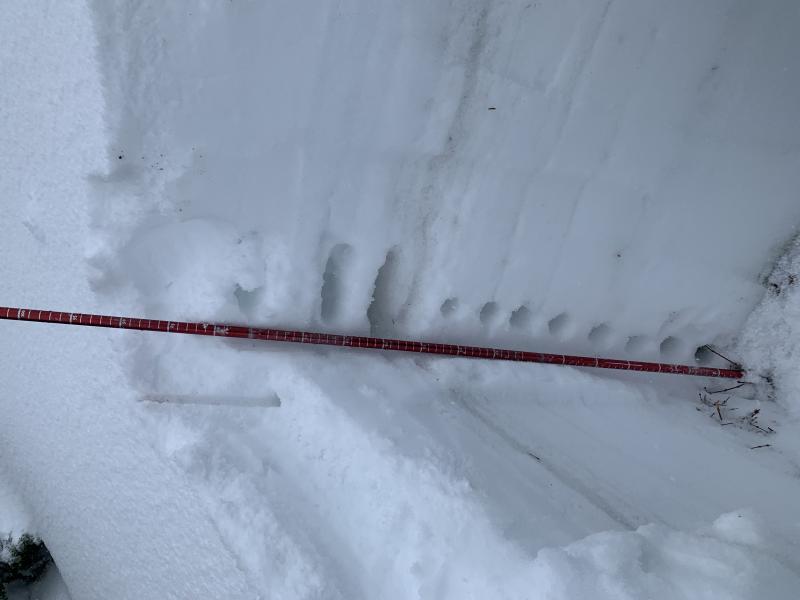
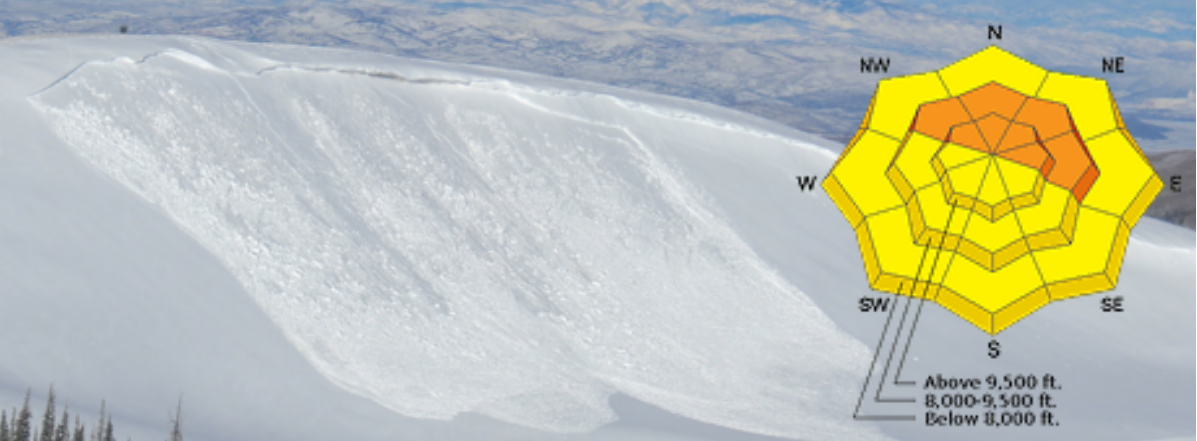
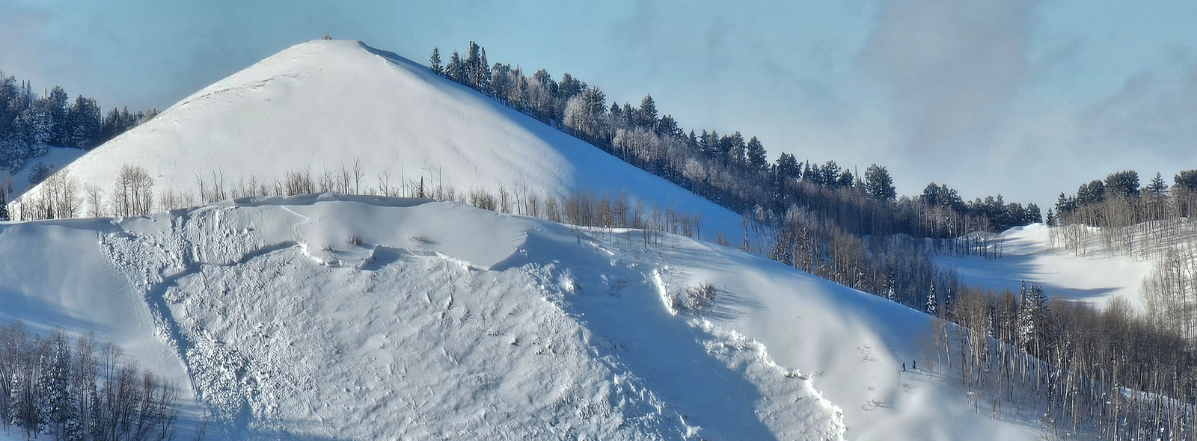
The Utah Avalanche Center is warning of dangerous avalanche conditions throughout the mountains of northern Utah this week, where heavy snowfall and strong winds have created a CONSIDERABLE avalanche danger. Large and unsurvivable tree snapping avalanches 4-6 feet deep have already occurred, multiple riders have been critically buried in an avalanche in the Brighton backcountry since Friday, and more human-triggered avalanches are expected, with natural avalanches possible.
When
In effect from 6AM MST today to 6AM MST Wednesday
Where
For the mountains of Northern Utah, including the Wasatch Range...Uinta Mountains.
Impacts
Dangerous avalanche conditions exist on many slopes. Avalanches are likely to be triggered by anyone traveling on or below slopes steeper than 30 degrees and may be triggered remotely (from a distance) or from below. People stepping out of bounds at a ski area are stepping into the same dangerous avalanche conditions.
Be mindful of avalanche workers - IF YOU TRIGGER an avalanche near a ski area, please report it to the ski patrol dispatch or Alta Central (801-742-2033). Rescue personnel don’t want to be subjected to dangerous conditions if the scene is clear. More on this in Backcountry Emergency Protocols
This morning, skies are clear, and the storm appears to have exited the region. Winds are out of the west southwest and sustained, averaging in the teens mph, with gusts in the upper 20s and 30s mph along exposed mid and upper elevation ridgelines (prime speeds for building fresh wind drifts).
As of 5 AM, final storm snow water equivalent totals (in inches) include:
→ 13-19" snow (up to 3.1" water)
Today will shape up to be a beautiful day in the mountains, with sunny skies and occasional high clouds. Temperatures will climb into the low 30s °F. Winds will continue to blow from the west southwest, averaging 10–15 mph along exposed mid and upper elevation ridgelines, with gusts up to 35 mph.
After a brief lull, another storm is expected later Wednesday. This looks to be a more traditional system, bringing colder temperatures and lower density snowfall. Confidence is high for snow along and just behind the cold front, though remaining uncertainties in storm timing and density will ultimately shape final snowfall and SWE totals.
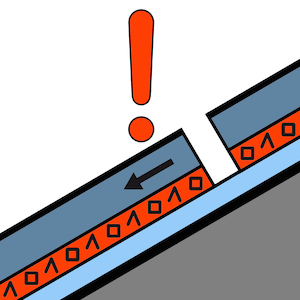
No new avalanches reported from the Ogden area backcountry. Ski resorts reported that the avalanches were mostly confined to recent snow, with dry loose and soft slabs on mid and upper N‑E aspects. Explosives and natural slides affected storm and wind slabs, but nothing stepped down into older layers.
Read all backcountry observations here.