
Forecast for the Moab Area Mountains

Eric Trenbeath
Issued by Eric Trenbeath on
Saturday morning, January 31, 2026

Today's forecast is written by UAC professional observer Tim Mathews.

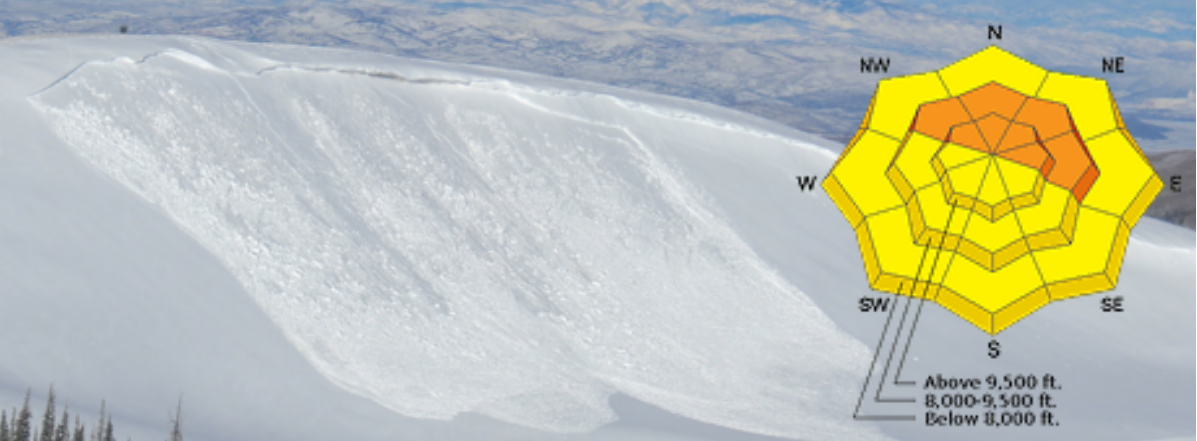
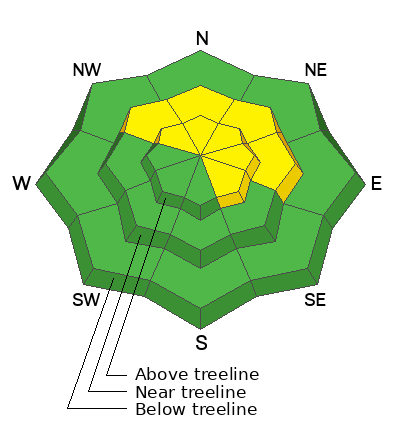
There is a MODERATE avalanche danger today on all steep slopes above the treeline that face northwest through southeast. Near treeline you can find the same MODERATE danger in terrain that faces northwest through east. In these areas it remains possible to trigger a slab avalanche on a variety of buried persistent weak layers. You will be more likely to initiate failure closer to the surface, but any triggered avalanche could steep down into deeper weak layers and create a much larger avalanche. Avoiding slopes steeper than 30 degrees will be your best defense.
Low
Moderate
Considerable
High
Extreme
Learn how to read the forecast here
Special Announcements

Check out this recent blog post from Forest Service UAC Director Paige Pagnucco Weak Snow: Today's Surface, Tomorrow's Avalanche Problem.

Geyser Pass Road Conditions: The road is plowed but it remains slick and snowpacked, 4x4 and good tires are recommended.

Grooming: Trails were groomed yesterday.

We are looking to reschedule our Moab Backcountry 101 Class to February 20, 21 in the hopes that we will have more snow. Click here for information and registration. Moab and Monticello locals can use the discount code MOAB-LOCAL for a 10% discount.

Weather and Snow

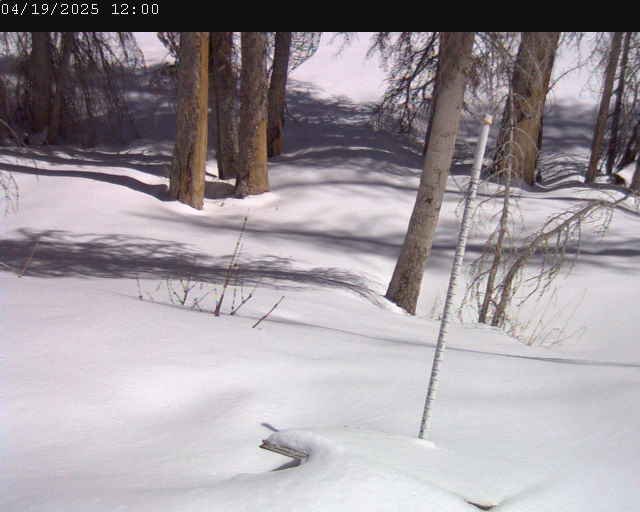
24 Hour Snow: 0" 72 Hour Snow: 0" Season Total Snow: 44" Depth at Gold Basin: 28"

Winds on Pre-Laurel Peak: NW 15-20 Temp: 21°F

Weather

We remain under a dry northwest flow with high pressure building on Sunday. Look for sunny skies and steadily warming temperatures through the upcoming week.

General Conditions

The best quality skiing and riding can be found in wind sheltered terrain near treeline and below. You will want to hunt out areas that have not been smashed by the recent winds or affected by solar input. Soft conditions do exist but stay focused on the structure of the snowpack. If you can pole plant through the entire snowpack top to bottom with very little resistance there is likely not a slab. You are most likely to find trouble in areas where the winds have blown and stiffened up the snow on top of buried persistent weak layers. This creates a strong snow over weak snow structure and this is where you have problems. Avoid steep slopes near and above treeline with a northerly component that appear to be affected by the wind, or that look fat and wind loaded.

As the snowpack continues to weaken, loose, dry, "facet-lanches" will become possible on steep slopes.

Strong solar input over the past week has crusted over southerly aspects, and created poor skiing and riding conditions. Keep an eye on the potential for wet loose avalanches on the south half of the compass as the days heat up.

Check out this video for my analysis of the current snowpack structure.

See recent observations here.

Snowpack and Weather Data

Gold Basin SNOTEL site (10,000')
SNOTEL site near Geyser Pass Winter Trailhead (9600')
Wind Station on Pre-Laurel Peak (11,400')
NWS forecast for the La Sal Mountains.
Recent Avalanches
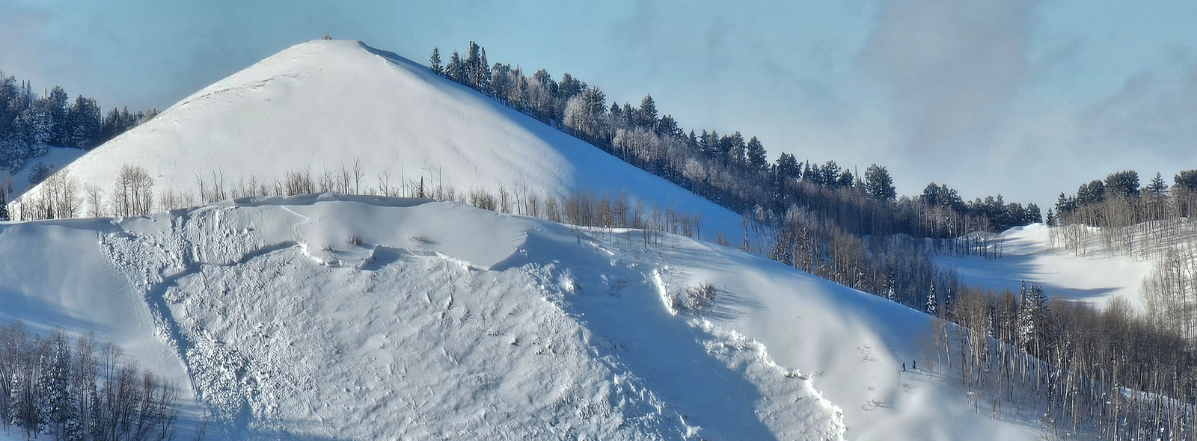
The storm last weekend produced a decent round of natural activity including dry loose, soft slab, and hard slab avalanches. No recent avalanches have been reported.
Avalanche Problem #1
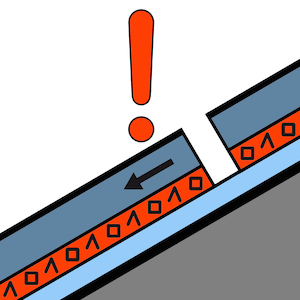
Persistent Weak Layer
Type
Location
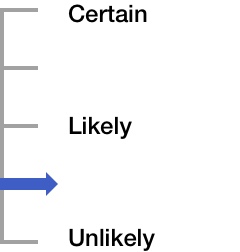
Likelihood
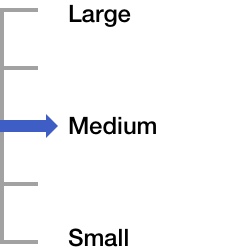
Size
Description

Weak and sugary faceted snow make up the entire snowpack on most polar aspects. Snow last weekend buried these pesky persistent grains creating a variety of potential weak layers. Winds over the past week have been the biggest factor in creating a strong over weak structure. Blowing and drifting snow has created slabs up to two feet deep on top of buried near surface facets. This is where you are most likely to trigger an avalanche and get the ball rolling. Once the ball is rolling there’s no telling how deep it could possibly steep down. Above or below the Christmas rain crust, to the ground, who knows? Either way these avalanches could be large enough to bury, injure, or kill a person.

The good news is there is soft snow to make turns in if you evaluate the snow and terrain carefully, and identifying features of concern. Look out for what feels like strong snow over weak snow, or hard layers over soft layers. If your skis are punching through the snow to your knees, or you can push your pole through to the ground, it’s likely all weak. If you are uncertain whether there is a slab there or not simply avoid slopes steeper than 30 degrees.

Additional Information
General Announcements
This forecast is from the U.S.D.A. Forest Service, which is solely responsible for its content. This forecast describes general avalanche conditions and local variations always occur.