
Forecast for the Moab Area Mountains

Issued by Eric Trenbeath on
Tuesday morning, January 20, 2026
Tuesday morning, January 20, 2026
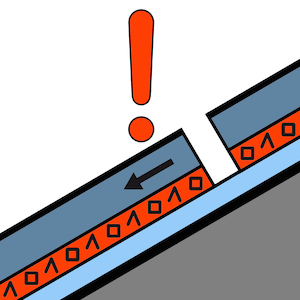
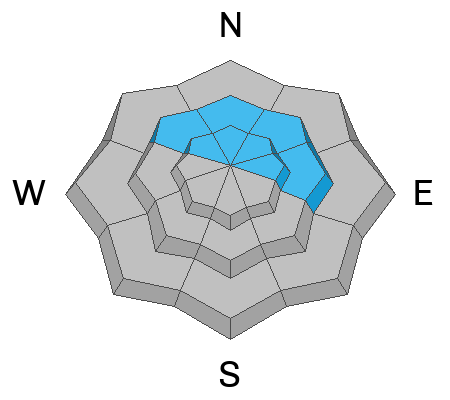
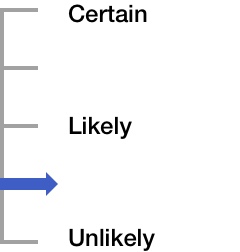
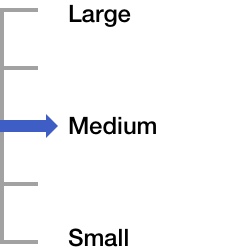
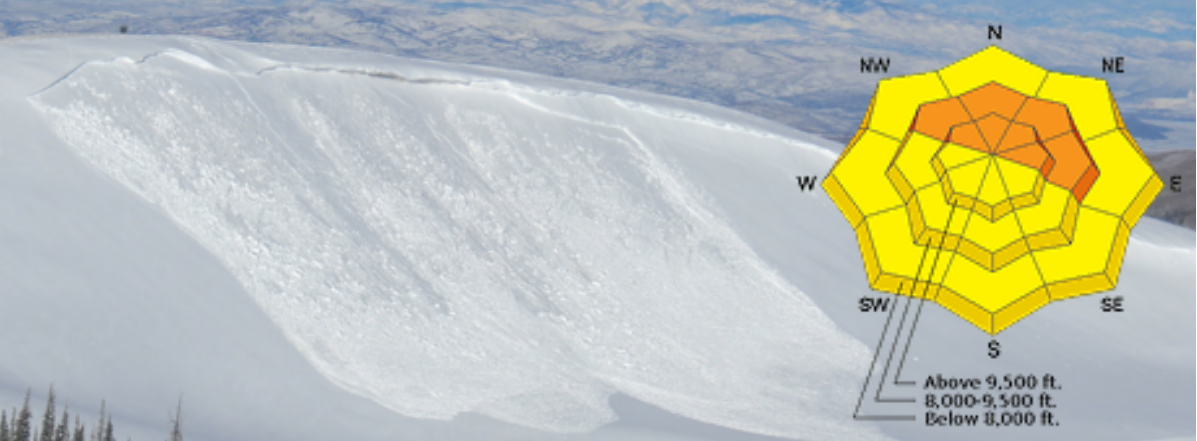
Although the odds are decreasing, a MODERATE danger still exists for human triggered, hard slab avalanches failing on a deeply buried persistent weak layer. This problem exists on all steep slopes near tree line and above that face NW-N-NE- E, with a bullseye on N and E aspects. Avalanches failing on this layer would be between 2 and 5 feet deep, and may propagate widely. You can avoid this problem by sticking to slopes less steep than 30 degrees.

Low
Moderate
Considerable
High
Extreme
Learn how to read the forecast here