Forecast for the Moab Area Mountains

Dave Garcia
Issued by Dave Garcia on
Wednesday morning, January 14, 2026

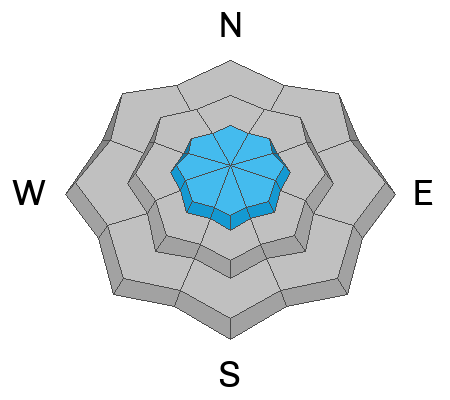
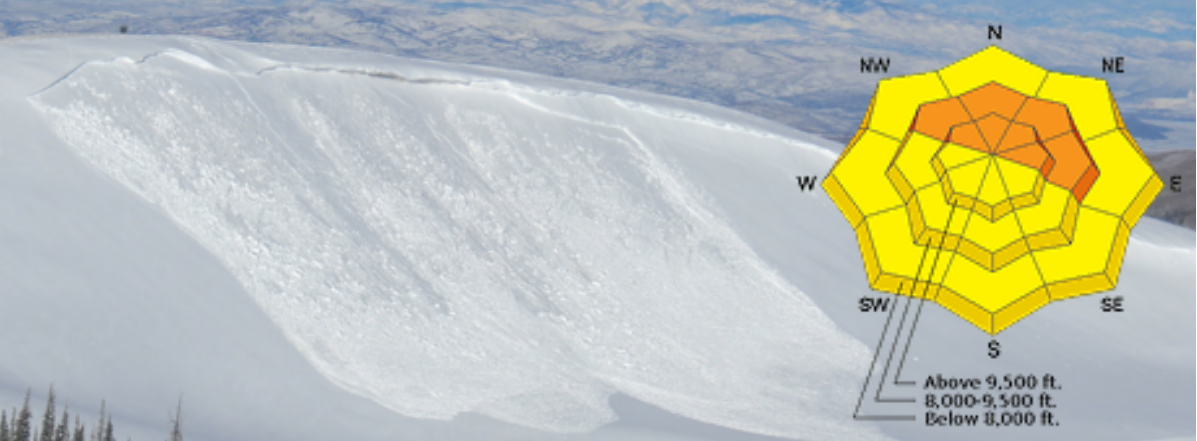
Areas of CONSIDERABLE danger exist on above treeline slopes that face north through east. On these slopes, you can trigger large, destructive hard slab avalanches failing on a buried persistent weak layer. A MODERATE danger for this type of avalanche exists on all other northerly facing slopes near tree line and above. My strategy today is to look for soft snow on low-angle, protected slopes where there is less avalanche hazard.

Due to an extended period of strong winds blowing from the north, there is a MODERATE danger of triggering an avalanche in recently formed soft slabs of wind-drifted snow on all steep slopes above treeline.

Low
Moderate
Considerable
High
Extreme
Learn how to read the forecast here
Special Announcements

Geyser Pass Road Conditions: The road was plowed on Friday.

Grooming: LUNA groomed all trails on Sunday.

We are looking to reschedule our Moab Backcountry 101 Class to February 20, 21 in the hopes that we will have more snow. Click here for information and registration. Moab and Monticello locals can use the discount code MOAB-LOCAL for a 10% discount.

Weather and Snow

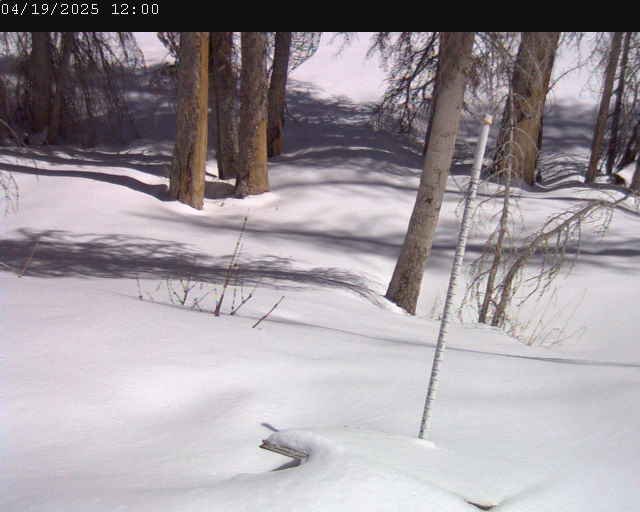
24 Hour Snow: 0" 72 Hour Snow: 0" Season Total Snow: 36" Depth at Gold Basin: 22"

Winds on Pre-Laurel Peak: N 20 G 49 Temp: 28° F

Weather

Under high thin clouds, it is 28° F in Gold Basin this morning. Strong winds are blowing out of the north. Winds will continue to blow from the north today, but should back off around noon and blow just 10 MPH into this evening. Daytime highs will reach 40° F at 10,000 feet. It's copy and paste weather for the next seven days, warm and sunny conditions persist.

General Conditions

Yesterday, high temperatures reached 44°F at 10,000 feet, and we lost an inch of snow on the Gold Basin SNOTEL. On Monday, I toured the Laurel Highway and skied down into Gold Basin, covering a variety of aspects and elevations. I found decent turning in dense sun-affected snow on the solar aspects where there is less avalanche hazard. I also found good turns on sheltered northerlies, but shallow conditions warrant skiing with caution near and below treeline. We just can't seem to get a break from the strong north winds. The wind never really backed off yesterday, and once again blew strongly overnight. Sheltered slopes will be the name of the game today if you are searching for powder turns. Another batch of soft wind slabs is the result of last night's strong winds. Expect to find recent soft slabs of wind-drifted snow on all aspects above treeline. Avalanches failing on a buried persistent weak layer remain a serious concern as the entire snowpack underneath is loose, weak, and faceted beneath the Christmas rain crust.

Snowpack and Weather Data

Gold Basin SNOTEL site (10,000')
SNOTEL site near Geyser Pass Winter Trailhead (9600')
Wind Station on Pre-Laurel Peak (11,400')
NWS forecast for the La Sal Mountains.
Recent Avalanches
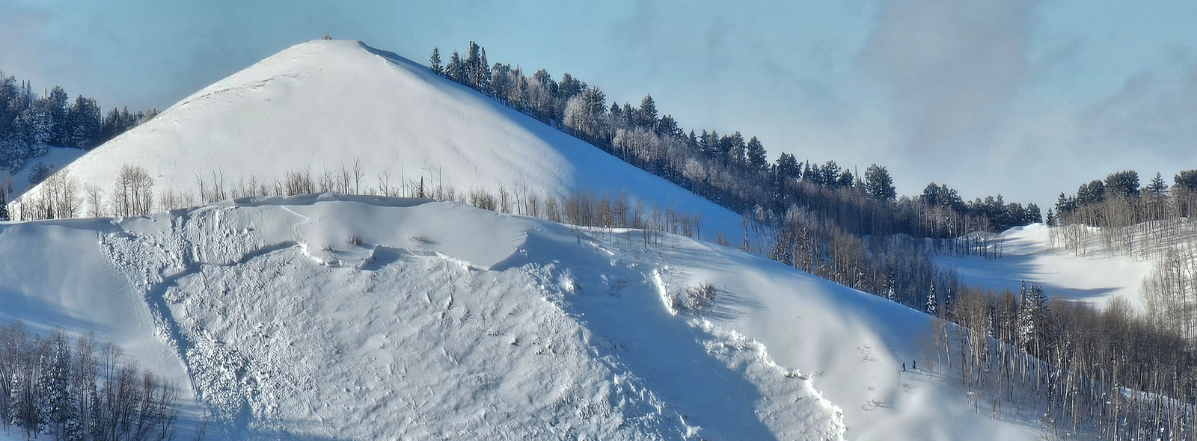
A large snowmobile-triggered avalanche occurred on the East Face of Laurel Peak on Friday afternoon. Eric and I went up on Saturday to have a look. What we found is in the video below. A full accident report has been published here.

Also check out this incredible drone footage shot by pro observer Chris Benson who joined us up there Saturday.

Click here for the complete avalanche database.
Avalanche Problem #1
Persistent Weak Layer
Type
Location
Likelihood
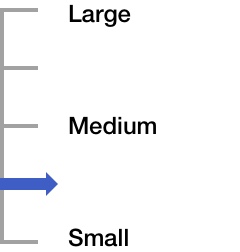
Size
Description

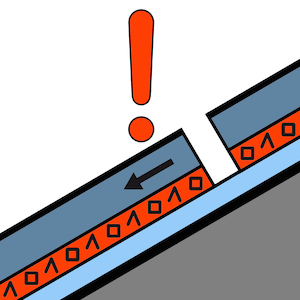
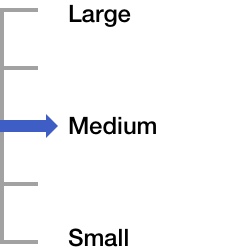
Poor snowpack structure remains, and it has proven capable of producing large, destructive human-triggered avalanches. Friday’s avalanche failed on the weak layer beneath the Christmas rain crust. In some locations, this crust may temporarily support the weight of a skier or rider, but its ability to bridge underlying weaknesses is highly variable and unreliable. The most dangerous slopes are above treeline and face north and east, especially those that harbor a more robust slab from previous wind loading. My observation from Monday is worth reading, as I provide an in-depth discussion on the current setup.

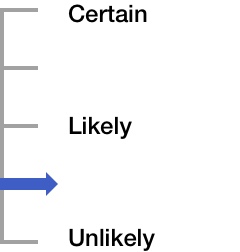
The snowpack will not offer much feedback today. Outward signs of instability have decreased, and snowpack tests are stubborn at best. These are challenging conditions to assess in the field, making it difficult to confidently move into steeper, consequential terrain. The likelihood of triggering one of these large avalanches is decreasing as time goes on from our last loading event, but it is very hard to trust our obviously weak snowpack structure. When the snowpack is confusing, terrain choice becomes critical—sticking to low-angle slopes remains the safest option for skiing and riding.

Avalanche Problem #2
Wind Drifted Snow
Type
Location
Likelihood
Size
Description
Another round of recently formed soft slabs above treeline is on the menu today. North winds have been elevated for more than 48 hours. Some of these soft drifts may be covering up some older, hard wind drifts. Expect to find sensitive soft slabs around the compass above treeline. Newer wind slabs are often reactive to our weight and are easy to trigger. Keep in mind, north winds are somewhat of an anomaly here, and atypical wind directions can create unusual and complex loading patterns. As a result, wind-drifted snow may be present on a wide range of aspects above treeline due to cross-loading.
Old hard wind slabs near and below treeline should be locked up by now. The main concern with these is that they sit on top of weak faceted snow near the ground. Any avalanche triggered in wind-drifted snow has the potential to step down to buried persistent weak layers, causing a deeper and more dangerous avalanche.
Additional Information
General Announcements
This forecast is from the U.S.D.A. Forest Service, which is solely responsible for its content. This forecast describes general avalanche conditions and local variations always occur.