Forecast for the Logan Area Mountains

Toby Weed
Issued by Toby Weed on
Tuesday morning, February 3, 2026

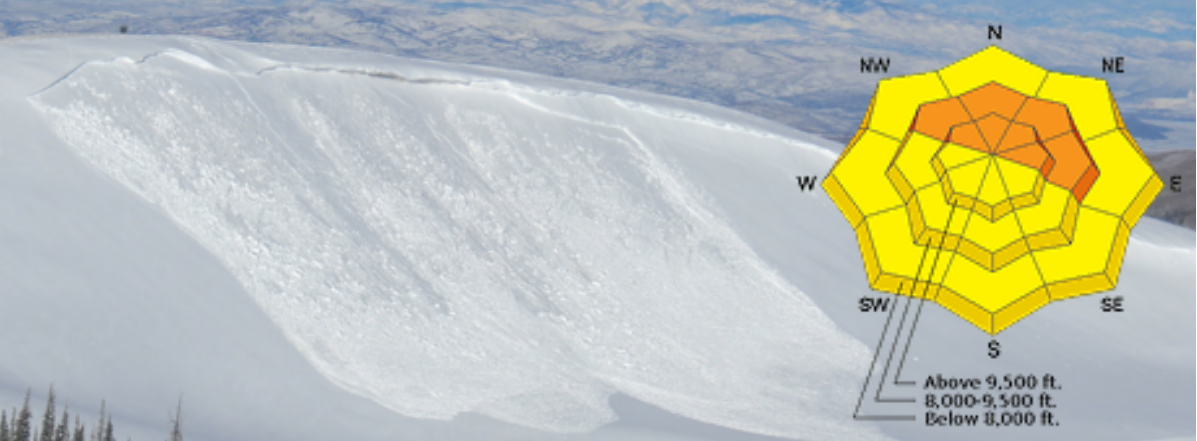
The overall avalanche danger is LOW. Pockets of MODERATE danger exist on some upper-elevation slopes, where small wind slab and loose avalanches are possible.

Low
Moderate
Considerable
High
Extreme
Learn how to read the forecast here
Special Announcements

New essay by UAC Director Paige Pagnucco - Weak Snow: Today’s Surface, Tomorrow’s Avalanche Problem

Weather and Snow

We've found nice, fast, soft, and somewhat powder-like riding in sheltered terrain, with the best conditions on low-angled slopes and in the trees. On slopes exposed to the elements, you'll find a wide variety of surface conditions, including breakable melt-freeze crusts or wind boards, and wind buff in fetch areas, where the snow has been stripped away. On some upper elevation slopes, drifts of redeposited snow, or stiff wind slabs, have formed on slopes with preexisting weak surface snow... Suspect hard wind slabs up to about a foot thick that a person might trigger can be found near ridge tops and in and around terrain features like sub-ridges, gully walls, cliff bands, and mid-slope rollovers. Recent local observations include small loose avalanches on very steep slopes entraining wet snow in sunny terrain, and sugary, faceted snow in shady or northerly terrain. The snow cover is quite thin at mid and lower elevations, and conditions are favorable for wildlife this winter, with sunny slopes below about 7000 feet in elevation completely bare of snow.

This morning at the UAC Card Canyon weather station at 8700 feet, it's 23°F, and there is 42 inches of total snow. The Tony Grove Snotel at 8400 feet reports 30°F and 54 inches of total snow (containing 90% of normal SWE). On Logan Peak at 9700 feet, the wind is blowing 26 mph from the northwest and gusting to 35 mph. It's 21°F on Paris Peak at 9500 feet, and the wind is blowing 21 mph from the west-northwest, gusting to 36 mph at 0500.

Skies will be mostly sunny today with high temperatures at 8500 feet near 36°F. Light to moderate winds will blow from the west-northwest. Expect persistent fair and mild conditions in the mountains, with colder conditions and haze developing in the valleys throughout the week. A change in the weather is likely next week. Forecasters from the National Weather Service report that their confidence is relatively high in the overall change to a cooler and more unsettled pattern across the entire forecast area.

Recent Avalanches

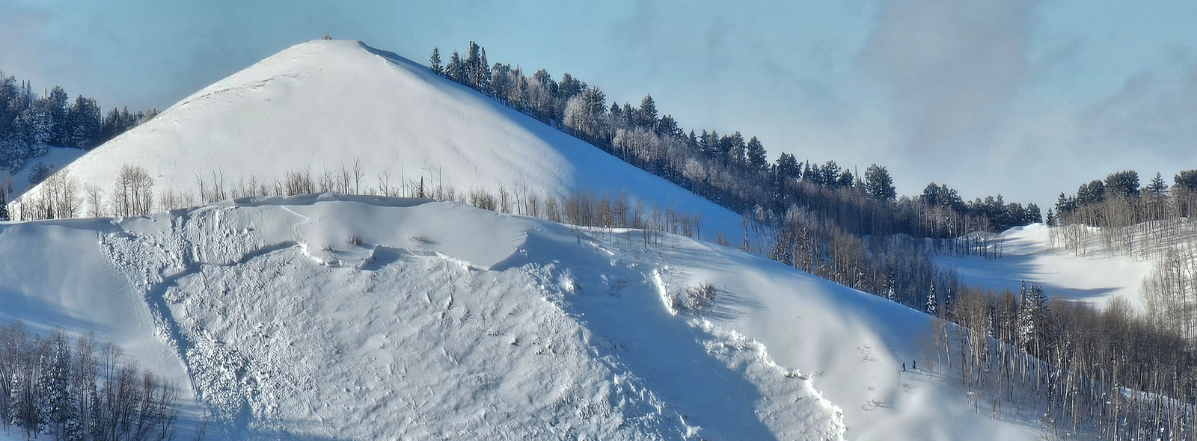
No significant avalanches have been reported recently, but yesterday, backcountry skiers triggered a few fast-running sluffs of sugary faceted snow in the Mount Naomi Wilderness, and they observed a recent natural wind slab avalanche on the west face of Cherry Peak. See Richie's observation HERE. For all observations and avalanche activity in the Logan Zone, go HERE.


Avalanche Problem #1
Wind Drifted Snow
Type
Location
Likelihood
Size
Description

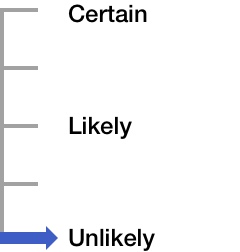
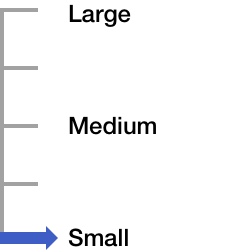
Over the past few days, the wind has created pockets of wind-drifted snow, stiff wind slabs, on slopes plagued by weak surface snow in some exposed high terrain. People can trigger small hard slab avalanches of wind-drifted snow. Wind slabs formed on slopes facing all aspects, but they are most likely to be found on those facing northwest through southeast.

  • Avoid and stay out from under stiffer pockets of recently drifted snow on steep slopes.
  • Wind slabs are found in and around terrain features such as mid-slope roll-overs, gullies, under cliff bands, or sub-ridges.
  • Suspect wind slabs are often chalky, rounded, and smooth, and they can sound hollow, like a drum. Shooting cracks and whumpfs or collapsing indicate instability.

Sunday, I cracked out a small wind slab on a cross-loaded slope at around 8700'. Other pockets of wind-drifted snow may be resting on weak, faceted snow in lee areas and around terrain features.

Avalanche Problem #2
Normal Caution
Type
Location
Likelihood
Size
Description

​​​​​Although large avalanches are generally unlikely today, people could trigger small loose avalanches on steep slopes.

  • Wet avalanches entraining saturated loose snow are possible in sunny terrain in the heat of midday. If the snow becomes saturated, move to a cooler aspect or elevation. Rollerballs and pinwheels are signs of unstable snow.
  • Loose avalanches of sugary faceted snow are becoming increasingly more common in very steep, sheltered, northerly-facing terrain

All backcountry travel involves inherent risk, but now is a great time to get up into the mountains, explore new terrain, and practice companion rescue with your backcountry partners.

  • Travel with a partner, and cross or ride slopes steeper than 30 degrees one at a time while the rest of your group watches from a safe spot.
  • Ensure that everyone in the group has avalanche rescue equipment (a transceiver, probe, and shovel) and knows how to use it.
Additional Information

We are watching a developing weak layer of faceted snow with grains of graupel in it, capping a hard rain-crust that formed in early January that is buried up to about 2 feet below the snow surface at upper elevations.

Did you know the UAC hosts a podcast? Episode 2 of Season IX is just out - AI, Machine Learning, and the Value of Expert Intuition at the Utah Avalanche Center.

Are you interested in learning more about avalanches? Visit our education page for details on all our classes.

For more information, visit the UAC weather page here: UAC Weather Page For Logan-specific weather, go here: Logan Mountain Weather

-For all questions on forecasts, education, Know Before You Go, events, online purchases, or fundraising, call 801-365-5522.

-Remember, the information you provide could save lives, especially if you see or trigger an avalanche. To report an avalanche or submit an observation from the backcountry, go HERE

-Receive forecast region-specific text message alerts to receive messages about changing avalanche conditions, watches, and warnings. Sign up and update your preferences HERE

This forecast is from the U.S.D.A. Forest Service, which is solely responsible for its content. This forecast describes general avalanche conditions and local variations always occur.

General Announcements
This information does not apply to developed ski areas or highways where avalanche control is normally done. This forecast is from the U.S.D.A. Forest Service, which is solely responsible for its content. This forecast describes general avalanche conditions and local variations always occur.