
Forecast for the Uintas Area Mountains

Craig Gordon
Issued by Craig Gordon on
Wednesday morning, February 25, 2026

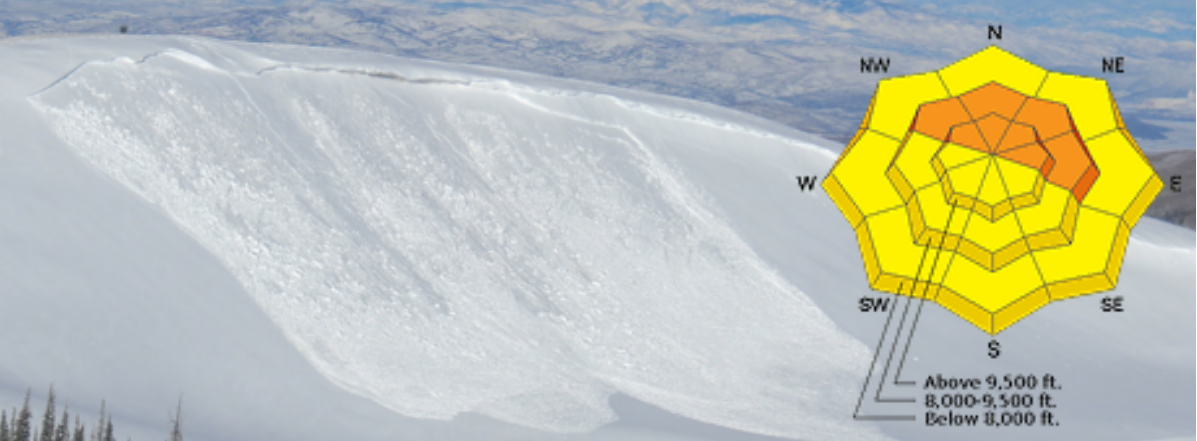
In the windzone above treeline, upper elevation alpine terrain offers pockets of HIGH avalanche danger. Fresh drifts will react to our additional weight and human triggered avalanches are LIKELY on steep slopes, especially those with recent deposits of wind drifted snow.

Mid and upper elevation wind sheltered, polar terrain is where a not-so-straight-forward rubber hits the road and you'll find HIGH avy hazard with a different flavor... a slide that could roll us. Faceted snow now buried several feet from the snow surface, waits for us to come along and knock the legs out from underneath. Breaking 2'-4' deep and a couple football fields wide, human triggered, tree snapping avalanches are LIKELY in terrain with these snowpack characteristics.

While not widespread, but worth dishonorable mention, lower elevation polars are getting in on the act as rain on snow bumps the hazard to CONSIDERABLE and human triggered damp snow avalanches, gouging into weak snow near the ground are PROBABLE on sustained, steep slopes.

You can still have a blast today and avoid avy hazard by steering your rig towards low-ish angle, polar slopes, free of any overhead hazard... done, done, and done :)

Low
Moderate
Considerable
High
Extreme
Learn how to read the forecast here
Weather and Snow

Nowcast - Mostly cloudy skies overhead deliver temperatures in the upper 20's °F, while winds from the west and southwest blow in the 30's near the high peaks. Meanwhile, a band of scattered snow showers delivers a rather elevated rain/snow line, hovering right around 8,700'. Trailheads are gonna be soggy while mid elevation terrain received just about 5" of snow with a whopping .70" H2O... sorry Greatest Snow on Earth, we're taking a rain check today... literally. In other words, get yer taxes in order and chores done today.... btw, that garage needs organizing.

Forecast - A warm, wet storm slides through the region later this morning, piling up a round of dense, heavy, water laden snow. Cooler air slides through the Uinta zone by about suppertime, knocking temps into the mid 20's and delivering a couple more inches of lower density snow. Winds blowing from the west reach obnoxious category, averaging 30 mph with gusts in the 50's near the high peaks. We've tapped our high temperature for the day and the mercury should dip into the mid 20's overnight.

Futurecast - Storminess is done tonight with clearing skies and warming temperatures on tap to wrap up the second half of the workweek and slide us into the weekend. Another mild, moist impulse is on tap for late Sunday.

Travel Conditions - After six weeks of teaser snowfall, finally, the Uinta's got absolutely clobbered and last weeks big storm is nothing short of colossal. Riding conditions have gone from April-esque to mid-winter in the span of a work week. Low elevation solars are already taking a hit from the sun and heat, while mid elevation polars invite easier travel and some light riding. I know you're looking for winter, so gain some elevation and get up high where it's looking white and the riding is phat.

Insert snorkel... deploy periscope. Alden Gile doin' all the right stuff this weekend from inside the white room. In addition, quality riding was found yesterday in the Haystack Zona.

Recent Avalanches

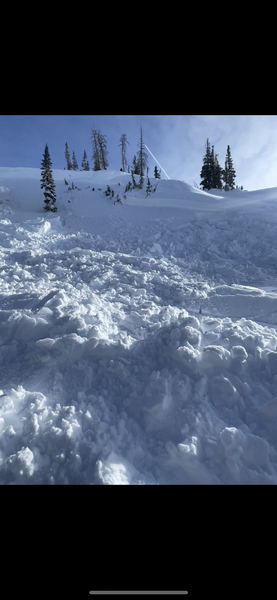
No shortage of avalanche activity across the range, and the Uinta community sure got after it this weekend. Multiple natural and human-triggered slides were observed and reported, with a few close-calls along the way.

A meaty piece of snow triggered Sunday near Timberlakes by an experienced crew of brap-skiers. All good at the end of the day. More deets here.

Avalanche Problem #1
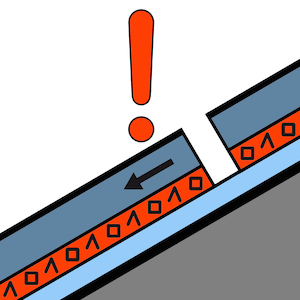
Persistent Weak Layer
Type
Location
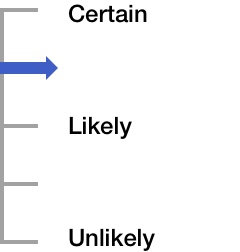
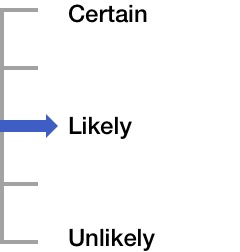
Likelihood
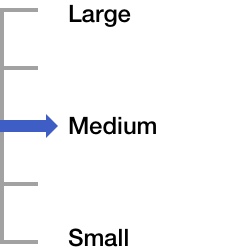
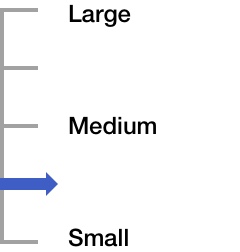
Size
Description

Ted visited the Humpy Drainage Monday and noted these recent sled triggered slides in terrain that fits our bulls-eye profile.

From tip to tail, polar aspects at all elevations, harbor our most recent problem child, the well preserved and aptly named January Drought Layer (JDL). This faceted snow is extremely weak, and teeters on the edge with last weeks colossal storm... 2'-3' of snow and up to 3" of SWE, and now an additional shot of snow, water, and wind stretches the rubber band once again. Flip aspect and you'll find solars present predictable, old heat crusts.

A sub-committee last night with avy-savvy, snow pro and partner in crime (though we are not criminals :) Andy Nassetta and I parsed out three distinct categories of elevation and aspect-centric snowpack structure. Here's where it gets tricky... packaging the problems was easy, but neatly wrapping up the avalanche dragons with a bow and making them all tidy is a challenge.

First- alpine terrain that avalanched early in last weeks storm cycle will be quick to come back to life and reactive to our additional weight, especially with today's added snow, water, and wind.

Next- mid and upper elevation, wind sheltered, polar terrain that harbors very weak surface snow that faceted during the big January drought. That'll take a little more weight before it fails, but the avalanche we trigger is gonna break deep and wide and it's gonna be dangerous.

And finally- low elevation, north facing snow is moist and the January NSF is a little irritated with the spritz of overnight rain.

Bringing it full circle, when I think of bullseye terrain where I could trigger a dangerous slide I'm thinking low on the slope where a big roof and a warehouse full of snow hangs above me... all I need to do is knock the legs out from underneath. Places like Currant Creek Peak, Heber Mountain, Mill Hollow, Wolf Creek Bowl, or Humpy Creek come to mind. I'm also thinking about cut-banks, gullies, and small terrain features that we usually don't consider twice about playing on, but our current set-up is deceiving and this terrain fits the mold.

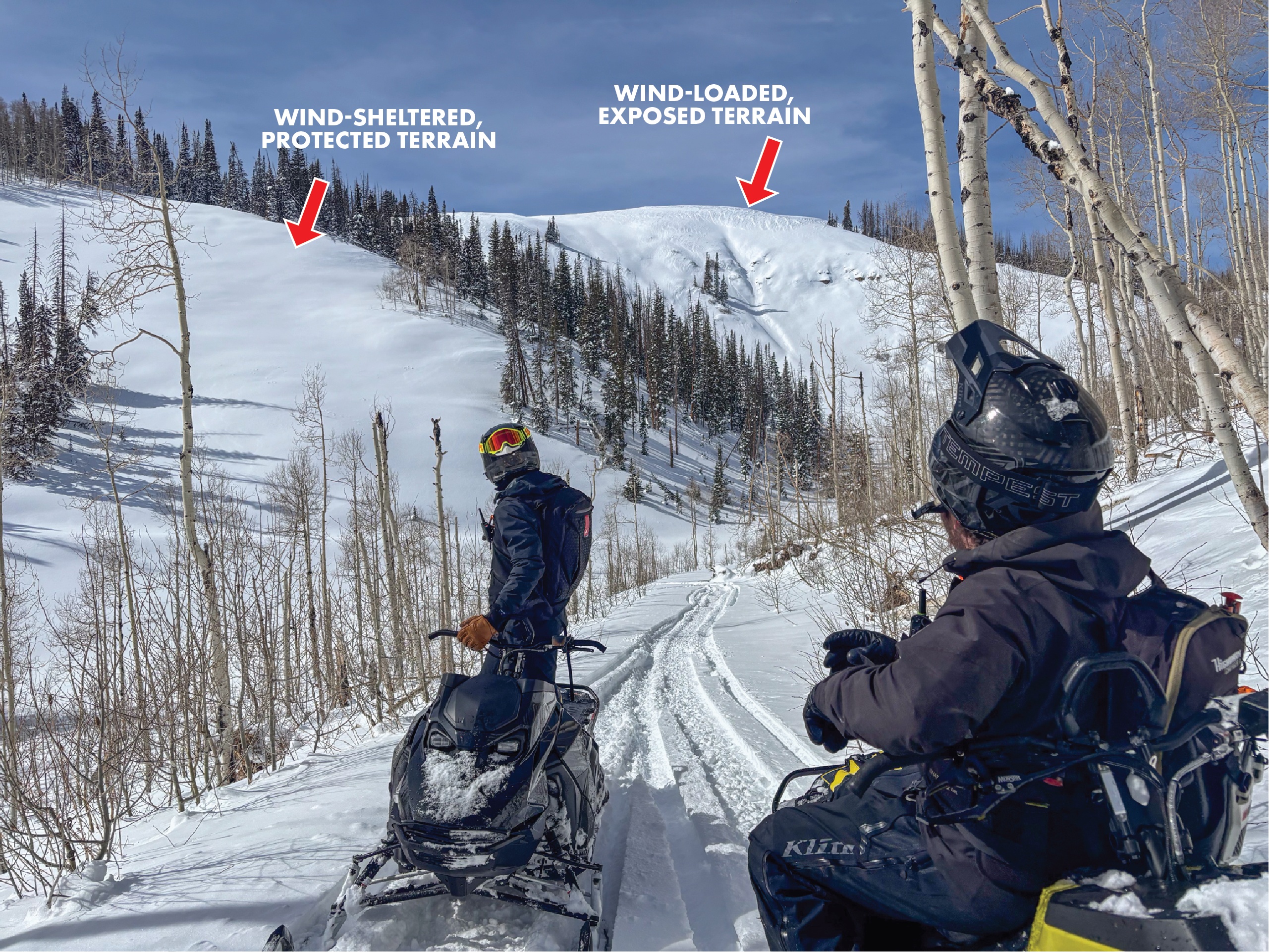
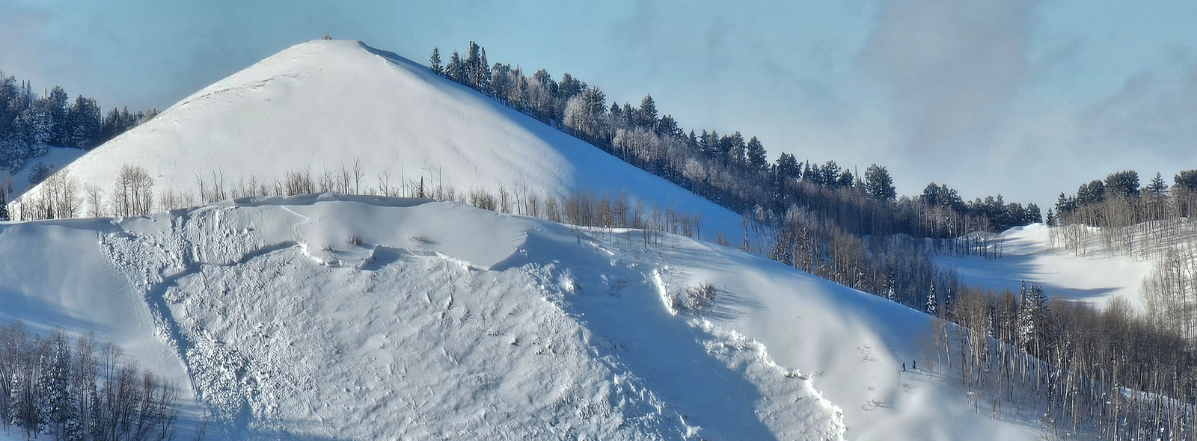
We typically would view the slope on the right as being more intimidating, and scary when it comes to avalanches, but the slope on the left is where our greatest concern lays... protected, wind-sheltered terrain is where a majority of our human-triggered avalanches are occurring and snowpack is most reactive.

Avalanche Problem #2
Wind Drifted Snow
Type
Location
Likelihood
Size
Description

Windy Peak (10,662') illustrates the overnight uptick in wind velocity.

Today's fresh drifts are gonna be dense and stubborn and may unpredictably react to our additional weight. Lose the wind... you lose the problem.

Additional Information

Join the UAC for the first "Stay and Play Avalanche Course" at Bear River Lodge in the Uintas, March 19th-22nd. This course is designed for snowmobilers by snowmobilers, where you will learn avalanche rescue, riding skills, and how to survive in the backcountry. Come enjoy all the luxury offerings at Bear River Lodge and improve your skills along the way.

Our Avalanche Rescue Training Park is set-up and located at the top of Wolf Creek Pass, SR-35, and is waiting for you to come take it for a spin! Open up the control unit, flip a few switches, and dial in your avalanche rescue skills with this roadside attraction!

General Announcements

We have some upcoming classes and events that we'd be stoked to see you at -- Please reach out with any questions and check out below for more details!

We are always looking for snow and avalanche observations or just general riding conditions. Reach out to us with questions, concerns, or if you see anything in your travels! Contact us directly through the info below:

This forecast is from the U.S.D.A. Forest Service, which is solely responsible for its content. This forecast describes general avalanche conditions, and local variations always occur. This forecast was issued on Wednesday, February 25th at 0400 and expires 24 hours after it was issued. We'll update this information by 07:00 AM tomorrow.