
Forecast for the Skyline Area Mountains

Issued by Brett Kobernik on
Thursday morning, March 19, 2026
Thursday morning, March 19, 2026
Very warm temperatures are moving in through the rest of the week. This may affect avalanche conditions.
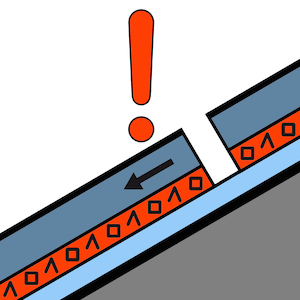
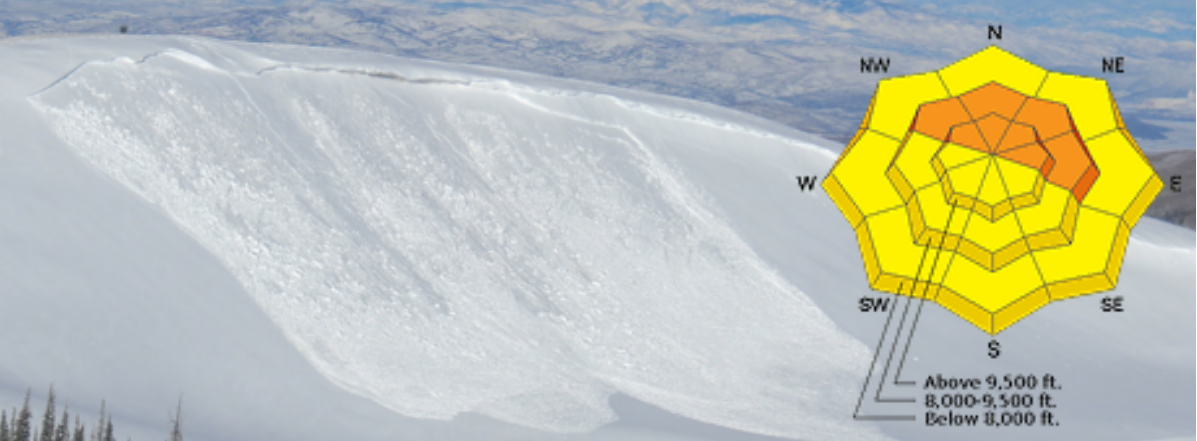
As things continue to warm through the day today, the avalanche danger will rise to MODERATE above 9500' on slopes that face northwest, north, northeast and east.
If you find yourself punching deep into slushy, sloppy snow, the snowpack is becoming unstable, and you should avoid being on or below steep slopes.

Low
Moderate
Considerable
High
Extreme
Learn how to read the forecast here