Forecast for the Salt Lake Area Mountains

Nikki Champion
Issued by Nikki Champion on
Wednesday morning, April 1, 2026

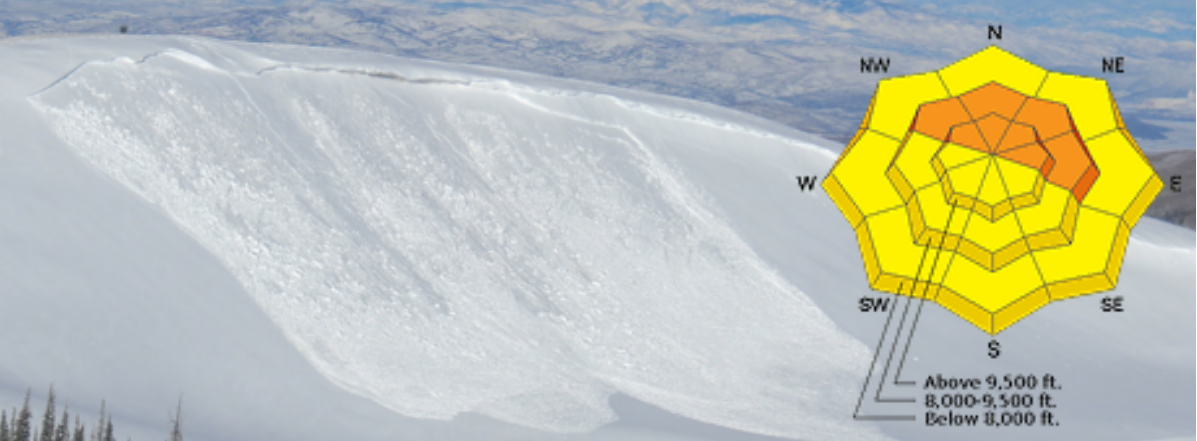
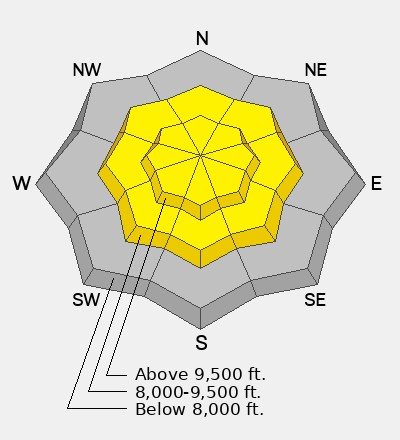
Avalanche danger has risen to MODERATE due to recent overnight snowfall and increasing winds across the upper elevations. It will be possible for humans to trigger small soft slab avalanches of new or wind-drifted snow. Keep an eye out for changing conditions and avoid steep slopes that may have shallow drifts of new or wind-blown snow.

Even with overnight cooling, the snowpack remains wet and unconsolidated, with wet loose avalanches remaining a concern in steep terrain and terrain traps below 9000 feet.

Through the spring, we will shift to intermittent updates as conditions warrant. During more active periods, like this storm and loading event, we will return to issuing full forecasts with danger ratings. The avalanche season isn’t over, so continue to check in.
Low
Moderate
Considerable
High
Extreme
Learn how to read the forecast here
Special Announcements

A new version the UAC's mobile app has been released with new features and improvements. Learn more and download the app HERE.

Weather and Snow

This morning, skies are overcast, and it is snowing lightly in the mountains. Temperatures are hovering right around freezing, in the mid to upper 20s F along ridgelines, and upper 20s to low 30s F at trailheads. Winds are from the west at 5–10 mph, with gusts into the 30s along the highest ridgelines. Snowfall totals range from 1–6.5 inches of new snow (0.2–0.75 inches of water), with the snowline hovering above 8500 feet.

Today, a brief lull will give way to a final push of this storm early in the day. Snow remains heavy and wet, with scattered convective showers possible early afternoon, producing brief heavy bursts, graupel, and even lightning. Activity then winds down through the afternoon. Temperatures will climb into the upper 30s to low 40s F. Southwesterly winds increase overnight ahead of the next storm. Expect an additional 1–4 inches of new snow throughout the day.

An additional quick-hitting storm arrives Thursday, bringing 10–18 inches of colder snow to the Cottonwoods, with snow levels finally dropping. The heaviest snowfall is expected mid to late Thursday morning with the cold front, followed by more showery northwest flow through the afternoon. The system moves through quickly, with drying conditions developing again by late Thursday.

Recent Avalanches

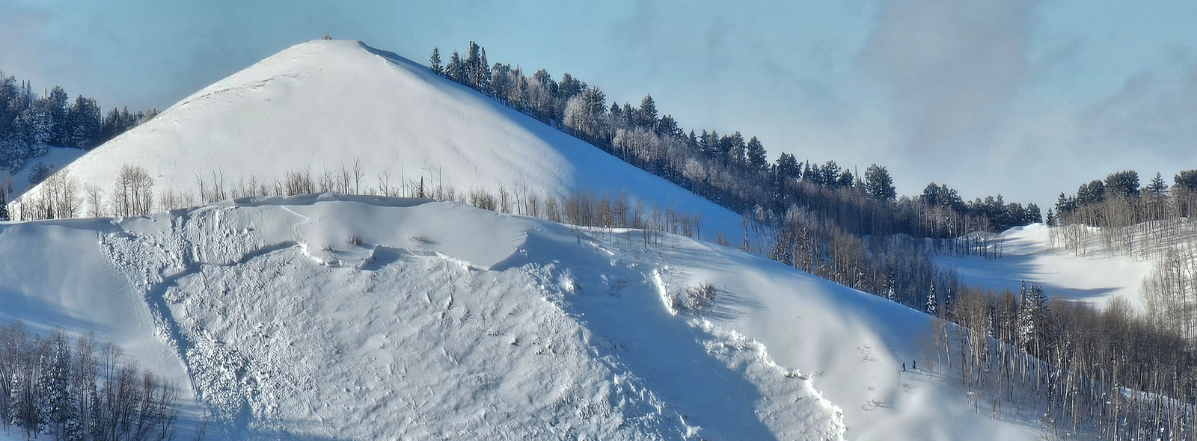
You can view all recent observations HERE.

Avalanche Problem #1
New Snow
Type
Location
Likelihood
Size
Description

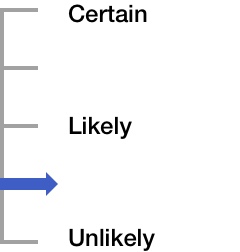
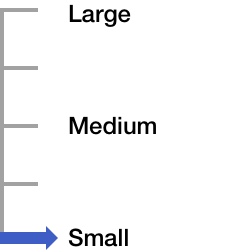
With the new snow falling on a variety of slick bed surfaces, you may see or trigger shallow new snow avalanches. These will be a couple of inches deep and are unlikely to pose much hazard to humans.

Where this changes is in steep terrain, where new snow has the ability to entrain more snow and run a long distance. These new snow avalanches could pack enough power to push you off your feet, and in extreme terrain, like overhanging cliffs or steep trees, even a small avalanche could be enough to take you for a nasty ride.

Avalanche Problem #2
Wind Drifted Snow
Type
Location
Likelihood
Size
Description

Winds will continue to pick up through the day into the evening and begin to transport any new available snow. Look for and avoid pillow-shaped wind features, and avoid steep slopes that show signs of wind loading, such as cracking in the new snow.

These drifts will be found along upper elevation ridgelines, on the downwind side of ridges, and in gully features.

Avalanche Problem #3
Wet Snow
Type
Location
Likelihood
Size
Description

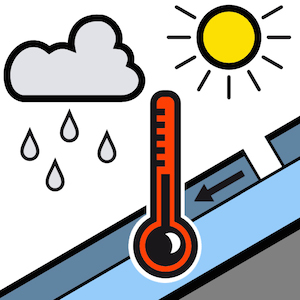
Though overnight temps dropped below freezing, the snowpack remains mostly wet and unconsolidated and received rain overnight.

  • Wet Loose: The most common concern. Natural and human-triggered avalanches are possible and may run long distances, gouging into the snowpack. Pay extra attention in steep terrain and above terrain traps like gullies, where escape is difficult.
  • Wet Slabs, Glide Avalanches & Cornices: Meltwater and rain are weakening deeper layers and large cornices, allowing for larger, more destructive avalanches that may occur naturally. Avoid slopes with glide cracks or known glide paths like Broads Fork, Stairs Gulch, and Mill B South, and give cornices and ridgelines plenty of space, including below runouts where they could trigger larger wet slides.
Additional Information

Beyond the new snow, the main risk comes from shallow coverage on terrain with rocks, stumps, or anywhere a fall could have serious consequences. Coverage is low to non-existent on many lower elevation and solar aspects. A few inches of new snow will only disguise this danger.

General Announcements

This information does not apply to developed ski areas or highways where avalanche control is normally done. This forecast is from the U.S.D.A. Forest Service, which is solely responsible for its content. This forecast describes general avalanche conditions and local variations always occur.