Special Avalanche Bulletin
What
The Utah Avalanche Center is issuing a Special Avalanche Advisory for all mountain regions across Utah through Sunday, March 22, as avalanche danger is expected to rise.
When
In effect from 6 AM MST Thursday to 6 AM MST Monday.
Where
The mountains of Utah and southeastern Idaho.
Impacts
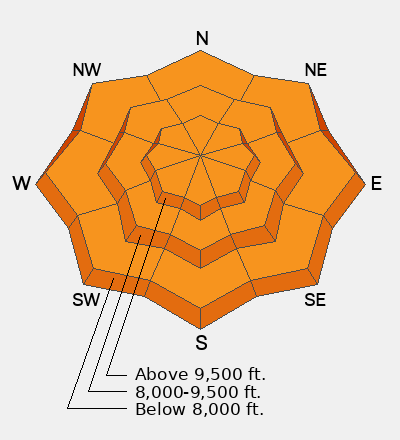
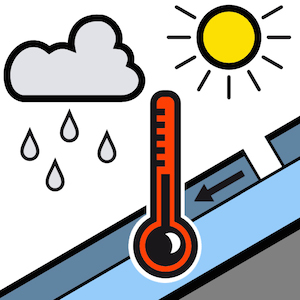
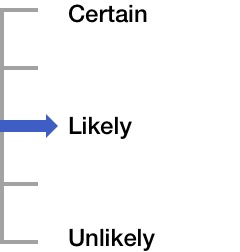
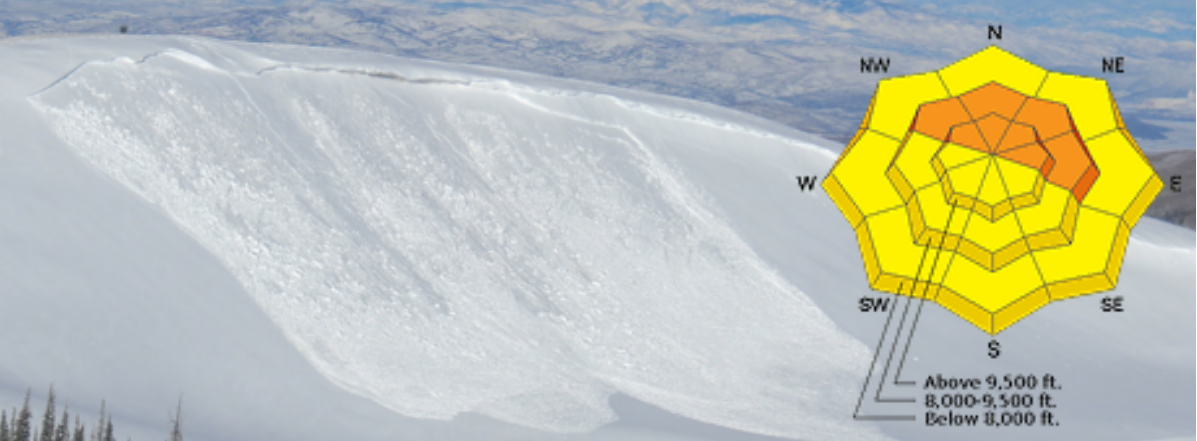
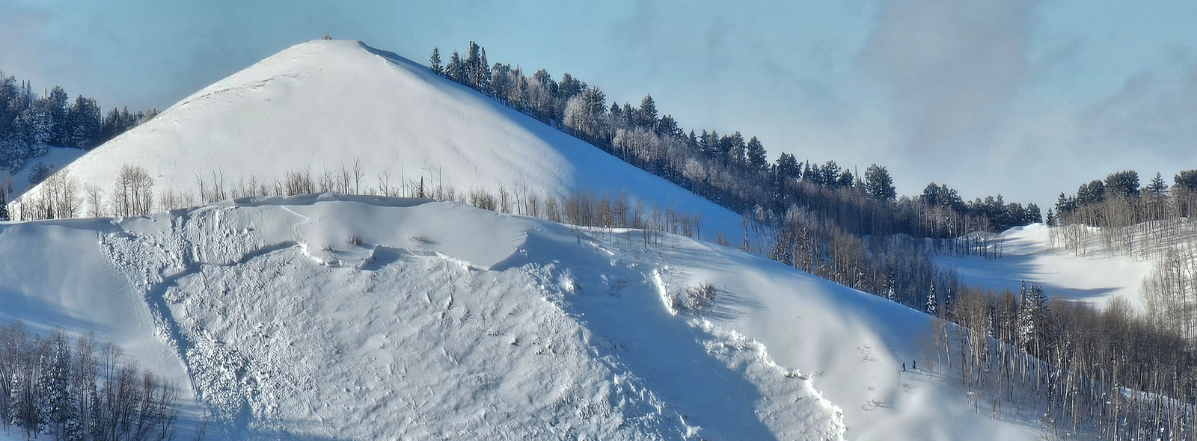
Record-breaking warm temperatures will rapidly destabilize the snowpack across the state, increasing the likelihood of widespread, spontaneous, destructive wet avalanches. Wet avalanches could occur on all aspects and at all elevations, including places that typically stay colder this time of year. Avoid travel on and below steep slopes, including avalanche runout zones and terrain traps.
After a difficult week in February that included four avalanche fatalities, UAC forecasters will host a community debrief to discuss the conditions surrounding these accidents. We will review the weather and snowpack patterns, share observations from the field, and discuss lessons learned. This event will not be live but will include time for questions and discussion, with the goal of learning together as a community. Please use the form below to submit questions for review. Submit your questions HERE.
A new version the UAC's mobile app has been released with many new features and performance improvements. Download our app today, available on iPhone and Android. Learn more HERE.
Join Caroline Miller, UAC Executive Director, in exploring a life-altering accident in the mountains. Broken Neck, Broken Systems is a deeper dive into decision-making in the mountains. Learn more HERE.
Overnight, southwest wind increased and is now blowing 10–20 mph, with gusts in the 20s and 30s along most upper-elevation ridgelines. At the highest elevations, winds are stronger, blowing 35–40 mph with gusts into the 50s at 11,000 feet. Mountain temperatures stayed above freezing all night and now range from 37 to 54 °F.
It’s going to feel more like the dog days of summer rather than March today, with mountain temperatures pushing into the mid and upper-60s °F. The southwest wind will stick around, and honestly, it’ll be a welcome relief if you’re out soaking up the sun.
Yesterday, during my travels, I found that the snow surface had a superficial refreeze due to longwave radiation escaping under clear skies overnight. The frozen surfaces lasted until about 10:00 AM on the sunny aspects and closer to noon on the shady aspects. By around 2 PM, things really started to fall apart, with all aspects becoming unsupportable.
The Week in Review from Friday, March 13 to Thursday, March 19, 2026, was just published and highlights the previous week's key avalanche and weather events contributing to conditions in the backcountry.

No new backcountry observations or avalanches were reported yesterday. One ski area used explosives late in the day and triggered multiple wet slabs that were large enough to bury a person. You can find more observations from the Salt Lake mountains HERE.