Forecast for the Salt Lake Area Mountains

Trent Meisenheimer
Issued by Trent Meisenheimer on
Saturday morning, February 21, 2026

The avalanche danger is CONSIDERABLE, and today is NOT the day to be in steep avalanche terrain. That means staying off of — and out from under — slopes steeper than 30 degrees. Large, destructive, and potentially deadly slab avalanches are likely.

Blue skies and fresh powder can make it feel like a perfect day, but when those line up with dangerous avalanche conditions and busy backcountry traffic, that’s often when we see serious accidents.

Choose low-angle terrain. Spread out. Speak up within your group. Let’s work together to make sure everyone comes home.

Low
Moderate
Considerable
High
Extreme
Learn how to read the forecast here
Special Avalanche Bulletin

What: The Utah Avalanche Center is warning of dangerous avalanche conditions across all Utah mountains this weekend. This week’s heavy snowfall and strong winds overloaded preexisting weak layers, creating a HIGH avalanche danger across the entire state. With improving weather moving in for the weekend, avalanche accidents are likely in the backcountry. There have already been two tragic avalanche fatalities this week, as well as several close calls and numerous backcountry avalanches reported.

When: In effect from 6:00 AM MST today to 6:00 AM MST Monday

Where: The mountains of Utah and southeastern Idaho.

Impacts: Dangerous avalanche conditions exist in the backcountry and will persist through the weekend. Natural avalanches are possible, and people are likely to trigger avalanches on slopes steeper than 30 degrees. Dangerous and deadly avalanches can be triggered remotely (from a distance or from below). People leaving ski area boundaries are entering the backcountry where the same dangerous avalanche conditions exist.

Warning Times: Friday, February 20, 2026 – Monday, February 23, 2026 at 6:00 AM MST

Special Announcements

The UAC is deeply saddened to report two avalanche fatalities. The first occurred on Wednesday, February 18th in the Big Flat area of Snake Creek near Midway. A snowmobiler was caught, carried, and buried in an avalanche, and unfortunately, recovery efforts were unsuccessful. The preliminary report can be found HERE.

The second fatality occurred on Thursday, February 19th, in the backcountry adjacent to Brighton Ski Resort. A girl skiing was caught, carried, and buried by an avalanche and did not survive. The preliminary report can be found HERE.

Our sincerest condolences are with all those impacted. The UAC is investigating both accidents in partnership with local law enforcement.

Weather and Snow

Under clear skies this morning, mountain temperatures are sitting in the single digits. Winds are light and calm, blowing 5–10 mph along the upper elevation ridgelines. Expect plenty of sunshine today with temperatures climbing into the mid to upper 20s °F.

Recent Avalanches

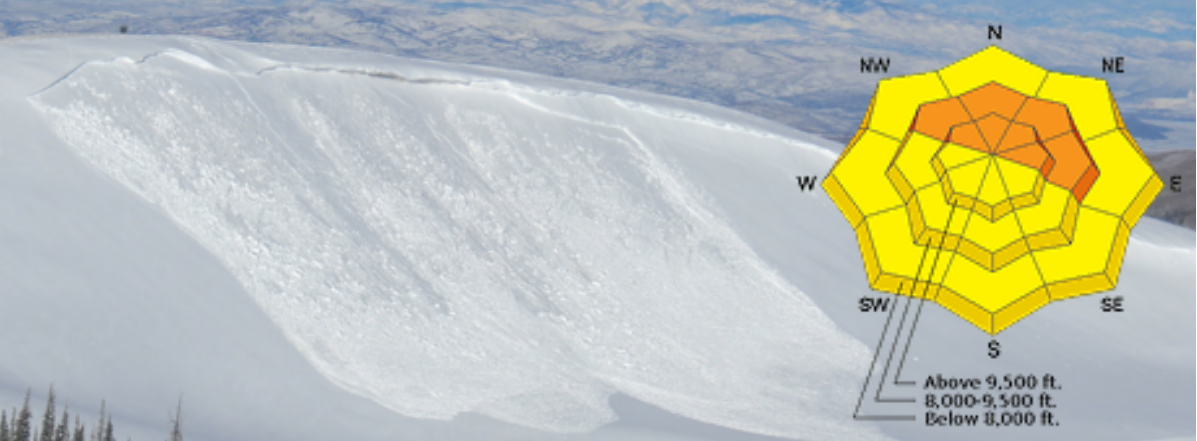
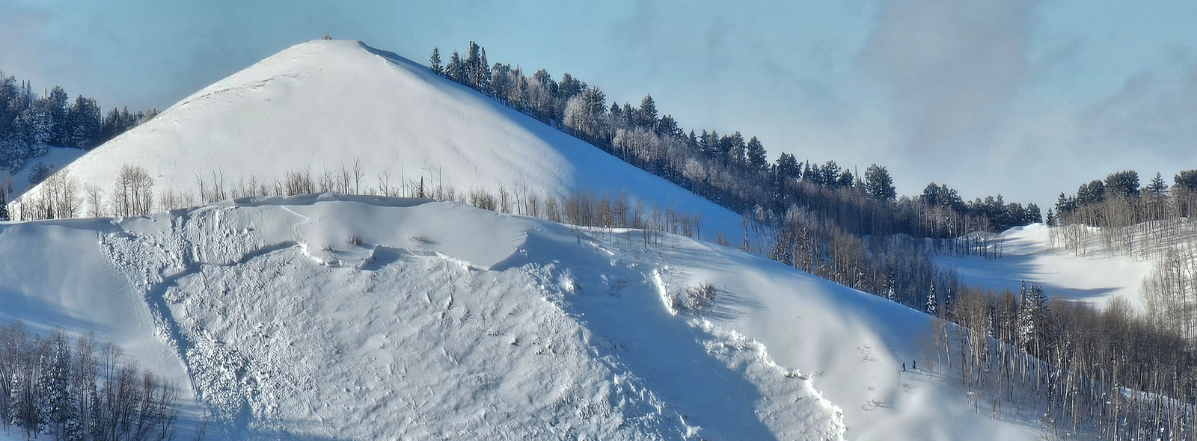
Avalanche activity continues to pour into the UAC, with most avalanches failing down to our persistent weak layer. These avalanches are 2-4 feet deep and hundreds of feet wide. Snow safety teams are still reporting avalanches with explosives. Yesterday in the Uintas, we had a full burial, and luckily, the person was dug out and looks to be okay. Be sure to check out all the avalanche activity HERE.

Avalanche Problem #1
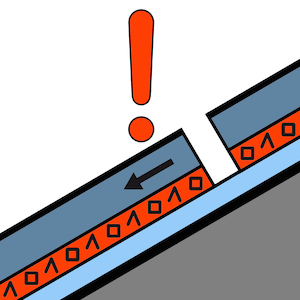
Persistent Weak Layer
Type
Location
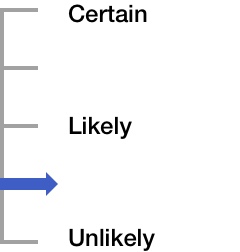
Likelihood
Size
Description

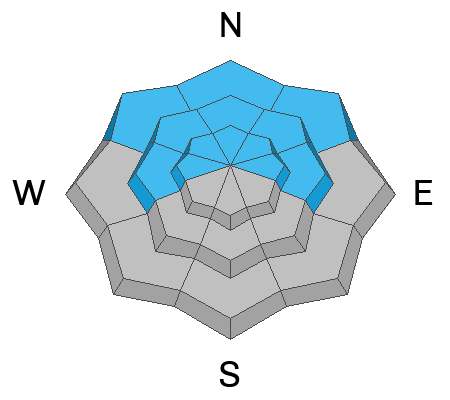
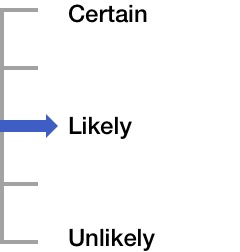
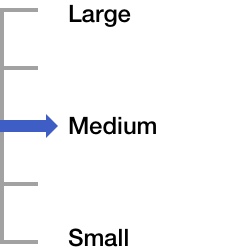
On slopes facing the shady half of the compass, it will be likely to trigger large, destructive slab avalanches failing on weak, faceted snow buried 2–4 feet deep. These avalanches could break hundreds of feet wide and propagate well beyond where you trigger them.

Do not let existing tracks give you confidence. Persistent weak layers can allow multiple riders on a slope before one person hits the wrong spot. These are high-consequence bone-breaking avalanches — the kind that catch, carry, and kill humans.

My advice: Live to ride another day and let our snowpack settle out.

Avalanche Problem #2
Wind Drifted Snow
Type
Location
Likelihood
Size
Description

Winds have been moderate to strong over the past few days. With nearly 50 inches of new snow available for transport, those winds have built fresh slabs of wind-drifted snow on upper- and mid-elevation slopes.

While this problem is likely stabilizing fairly quickly, fresh drifts can still be sensitive—especially in steep, exposed terrain. Approach avalanche terrain with caution, and watch for smooth, rounded pillows, cornices, and cracking around your skis, board, or sled.

General Announcements

This information does not apply to developed ski areas or highways where avalanche control is normally done. This forecast is from the U.S.D.A. Forest Service, which is solely responsible for its content. This forecast describes general avalanche conditions and local variations always occur.