Forecast for the Provo Area Mountains

Bo Torrey
Issued by Bo Torrey on
Thursday morning, March 26, 2026

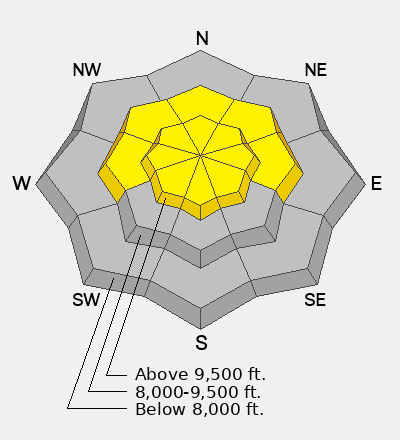
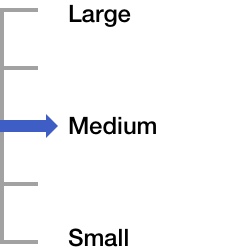
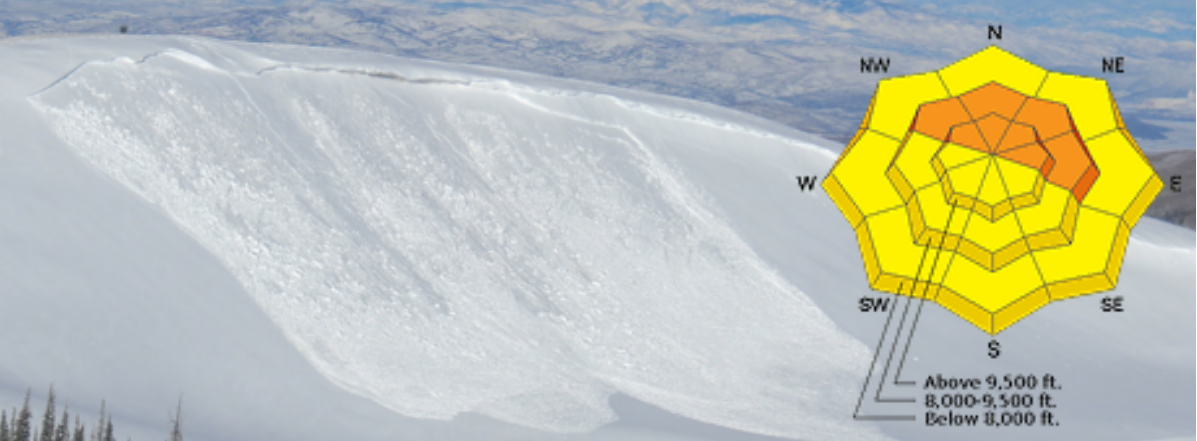
Today, expect MODERATE avalanche danger for wet snow avalanches on all aspects and elevations. Natural and human-triggered avalanches remain possible, as high temperatures and strong spring sun continue to warm the snowpack.

With access rapidly improving for hiking and mountaineering, remember that this hazard applies to anyone traveling on snow.

(Gray on the danger rose indicates little to no snow.)

Low
Moderate
Considerable
High
Extreme
Learn how to read the forecast here
Special Announcements

This morning's forecast was guest-written by my good friend and ski partner, Trevor Katz. Trevor is a Pro Observer for the UAC and spends his winters working for Park City Powder Cats as a forecaster and guide.

A new version the UAC's mobile app has been released with many new features and performance improvements. Download our app today, available on iPhone and Android. Learn more HERE.

Weather and Snow

Last night’s temperatures ranged from just above 50˚F down low to 40˚F up high. Paired with cloudy skies and the occasional light drizzle, it’s unlikely that the snowpack saw more than a superficial freeze. Winds haven’t been helping the cause much either, blowing light to moderate speeds from the southwest at ridgetops.

Today will mark a slight cool down, though temperatures will still be warmer than average for this time of year. Highs in the 50s and sunny skies will mean another day of wet, slushy conditions, especially in wind-protected areas. In the wind zone, strong and gusty west winds may help to cool things off a bit. This marks 10 days of the unseasonable heat pattern. Below is a chart of the high temperatures and low temperatures for the last 10 days from the Timp Divide (8200’). The snowpack has not had a proper overnight freeze in over a week, and warm temperatures have melted much or all of the snowpack at low and mid elevations.

Recent Avalanches

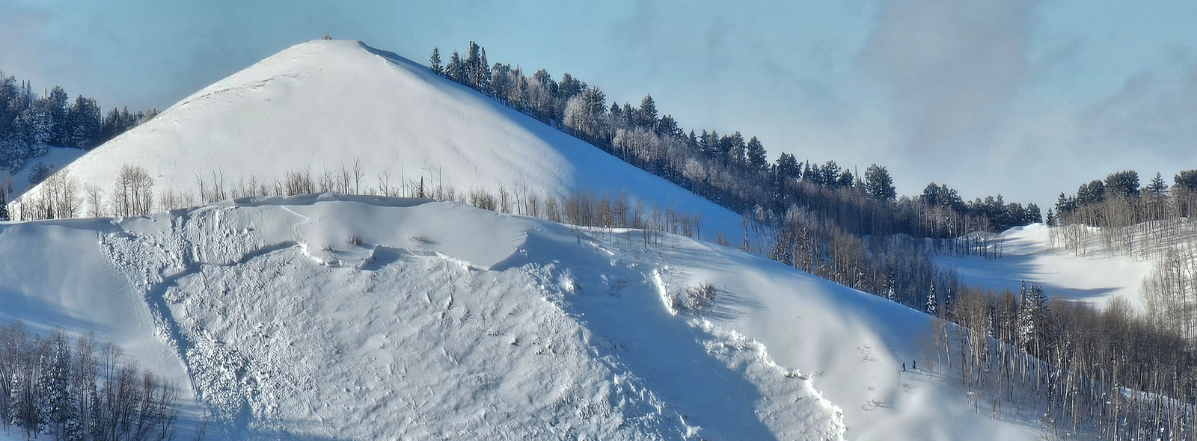
Yesterday, Bo was able to glass some older, large debris piles on northwest-facing Mill Canyon Peak. Tuesday, Nikki and I were able to observe a few wet loose avalanches on east-facing Mill Canyon Peak, and Box Elder Peak, and UDOT observed numerous wet avalanches on Cascade.

Wet-loose and Wet-Slab activity from Cascade (UDOT)

Avalanche Problem #1
Wet Snow
Type
Location
Likelihood
Size
Description

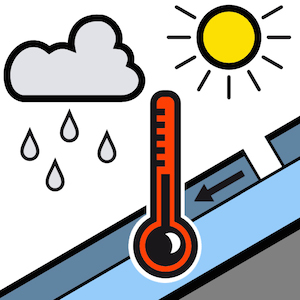
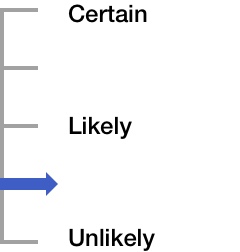
Two varieties of wet snow avalanches are currently at play:

Wet Loose avalanches are possible on all aspects where sustained snow exists. These avalanches will be long-running and can gouge down into the snowpack. With a superficial refreeze last night and continued unseasonably warm temperatures today, snow surfaces will become unsupportable, especially on solar slopes out of the wind zone. Based on recent field work, the time window for supportable snow is almost nonexistent, and by mid-morning, when the eggshell of a surface freeze softens, expect waist-deep bootpacking and trench-tracked skiing. When snow can no longer support a footstep, a ski, or a track - it’s time to consider heading home.

Natural Wet Loose avalanches on Cascade Peak (UDOT)

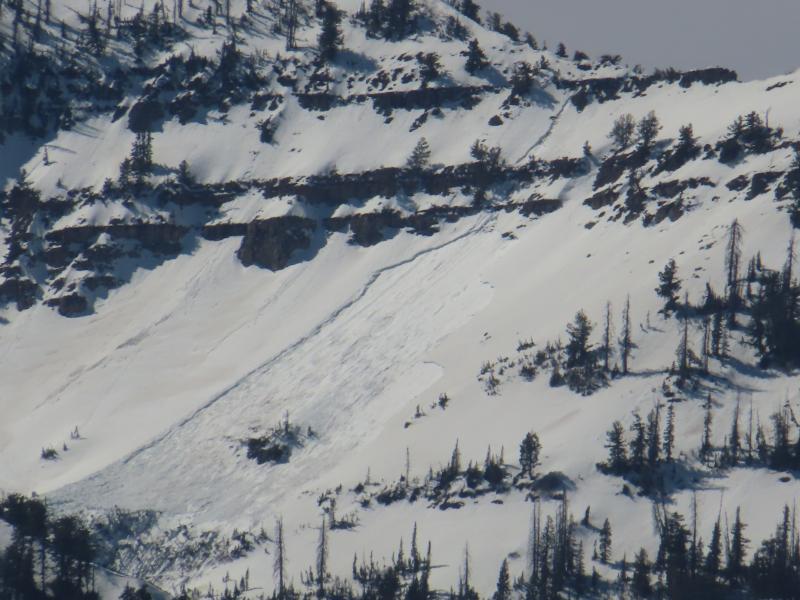
Wet Slab avalanches are also possible on the north half of the compass. The historic heatwave has had 10 days to move meltwater down through the snowpack. Weak snow and crusts that formed early in the season have been producing natural avalanches daily, and some are gouging down to the ground as glide avalanches. Though slightly cooler temperatures and higher winds may keep surfaces firm up high, problem layers deep in our water-saturated snowpack are unlikely to feel much of a change today.

Photo taken by UDOT avalanche forecasters showing recent wet slab activity in the Provo mountains.
Wet snow avalanches can carry a lot of force. As tragic as the skiing and riding are right now, it would be an even worse time to be caught in a slide. In other words, the juice has never been so not worth the squeeze.

General Announcements

This information does not apply to developed ski areas or highways where avalanche control is normally done. This forecast is from the U.S.D.A. Forest Service, which is solely responsible for its content. This forecast describes general avalanche conditions and local variations always occur.