
Forecast for the Provo Area Mountains

Issued by Brooke Maushund on
Sunday morning, March 15, 2026
Sunday morning, March 15, 2026
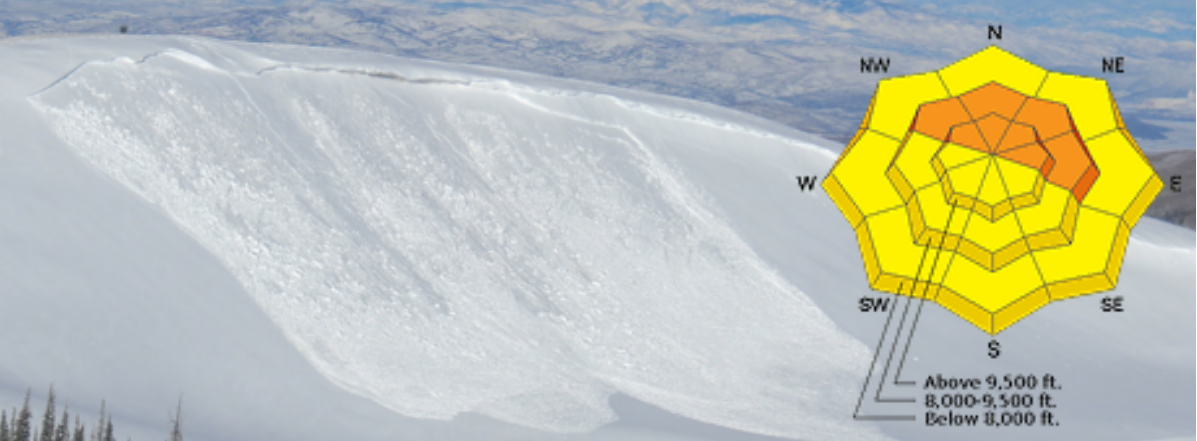
The avalanche danger is LOW and the snowpack is generally stable. Travel in the mountains is inherently risky, so Normal Caution is advised.
The buried PWL (persistent weak layers) are mostly dormant and triggering one of these is unlikely but not impossible. Continue to avoid glide avalanche terrain
(Grey indicates little to no snow.)

Low
Moderate
Considerable
High
Extreme
Learn how to read the forecast here