Forecast for the Provo Area Mountains

Bo Torrey
Issued by Bo Torrey on
Saturday morning, January 24, 2026

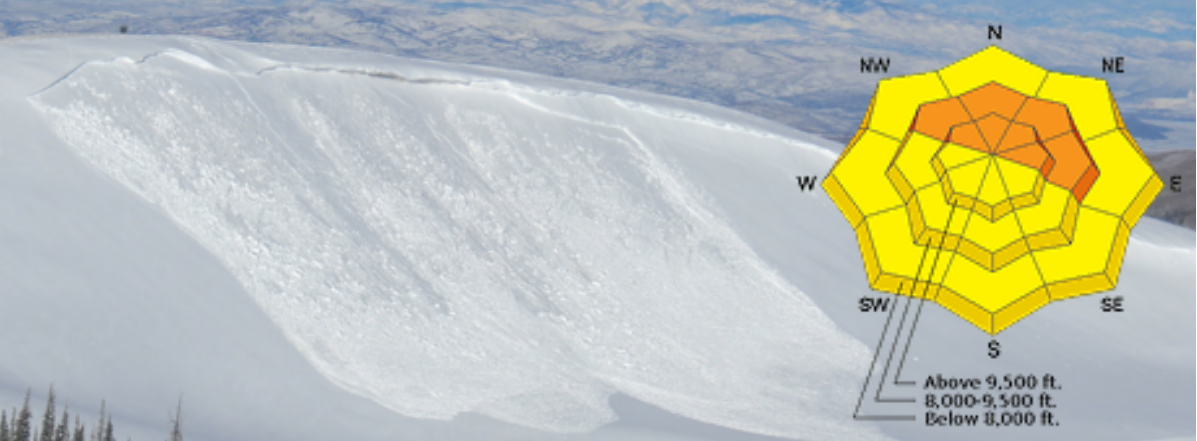
The avalanche danger is LOW, and the snow is mostly stable. Small, loose dry avalanches may run on steep, sheltered, north-facing slopes. Although small, these slides can entrain enough snow to push you around and create a hazard in terrain traps like gullies and chutes.

Ice Climbers: Consider the terrain above you and the potential for loose dry avalanches to run while planning your climb, protection, and belay positions.

Low
Moderate
Considerable
High
Extreme
Learn how to read the forecast here
Special Announcements

Did you know the UAC hosts a podcast?

Check out Episode 2 of Season IX is just out - AI, Machine Learning, and the Value of Expert Intuition at the Utah Avalanche Center.

Weather and Snow

A trace of new snow sits on the ground this morning under mostly clear skies. Temperatures have dropped into the single digits and teens ˚ F, accompanied by light northwest winds of 10 to 15 mph. This cold air will remain in place throughout the day, keeping daytime highs in the teens to low 20s ˚ F. We may see a flurry or two throughout the day, but it won't add up to a measurable accumulation. Winds are expected to remain out of the north-northwest, with speeds gradually increasing through the day to 15–30 mph.

No good news to report for the timing of our next potential snowfall. Split flow is sending storm systems north or south of us in model runs.

Recent Avalanches

No reported avalanches from the Southern Wasatch yesterday. However, further north in Salt Lake, one report of a loose dry avalanche that entrained the faceted surface snow on a sheltered, north-facing slope around 9700 feet. These types of avalanches are beginning to entrain more snow and grow in size.

Backcountry travelers are exploring various corners of the range, and there are many great observations to be made here​​​​.

Avalanche Problem #1
Normal Caution
Type
Location
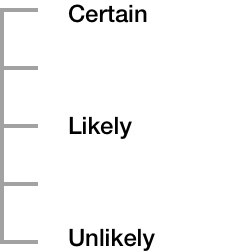
Likelihood
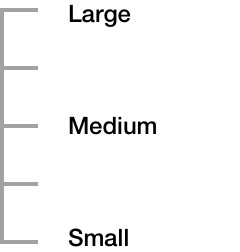
Size
Description

There is no single, dominant avalanche problem, and the snow is generally stable. That said, avalanches are still possible in isolated terrain, especially in the upper elevations.

You may still encounter:

  • Small wind slabs on upper elevation ridgelines and around terrain features where snow has drifted.
  • Loose dry sluffs on very steep slopes, especially where the snow remains shallow or unconsolidated. As the snow surface continues to weaken, loose dry sluffs will become more common.
  • Loose wet avalanches on sunny slopes as the snow warms during the day.
  • Outlier slab avalanches failing on a persistent weak layer. Thin, steep, rocky slopes and areas with a shallow snowpack remain the most suspect.

Take advantage of the favorable weather to practice companion rescue skills, including beacon searches, probing, and strategic shoveling.

General Announcements

This information does not apply to developed ski areas or highways where avalanche control is normally done. This forecast is from the U.S.D.A. Forest Service, which is solely responsible for its content. This forecast describes general avalanche conditions and local variations always occur.