Forecast for the Provo Area Mountains

Bo Torrey
Issued by Bo Torrey on
Wednesday morning, January 14, 2026

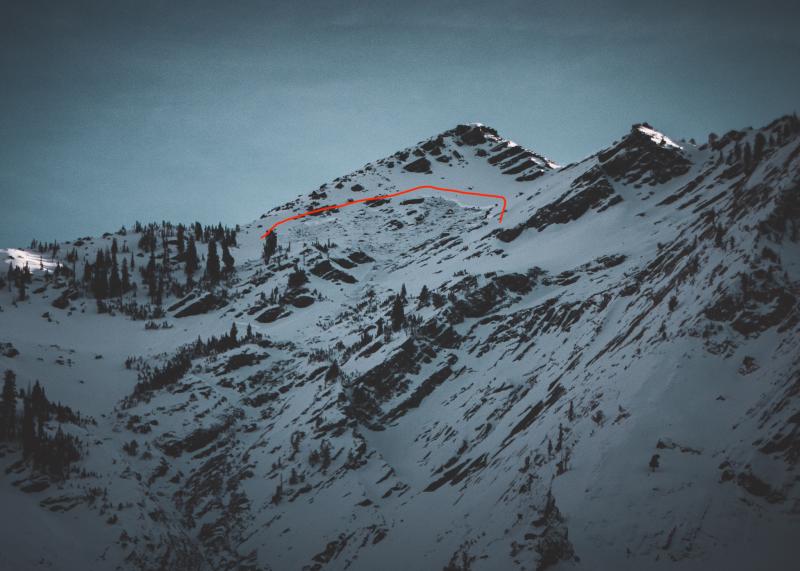
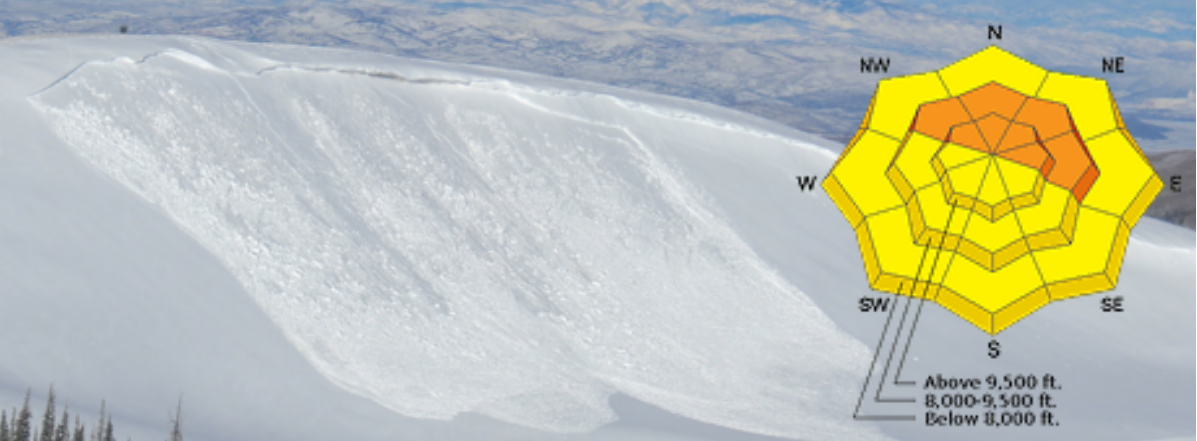
Upper elevation slopes have a MODERATE danger with two avalanche types. First, large, dangerous avalanches may still be triggered in steep, rocky, and shallow terrain facing W-N-E. These hard slabs are failing 2-5 feet deep on a persistent weak layer. Second, watch for stiff slabs of wind-drifted snow on W-S-E aspects. These drifts are common on cross-loaded features and may break above you.

Avalanche danger is LOW elsewhere. Small but predictable wet loose avalanches may release during the day on sunny slopes with daytime warming. Avoid terrain traps, like gullies or cliffs, where being caught in a small avalanche would have outsized consequences.

Low
Moderate
Considerable
High
Extreme
Learn how to read the forecast here
Weather and Snow

Yesterday, skies were clear, and temperatures reached the upper 30s to low 40s ˚ F. North winds varied by elevation. At 9,000 feet, speeds were light to moderate at 5-15 mph. At higher elevation, strong north winds sustained 25-35 mph with gusts into the 50s.

Today, temperatures warm into the 40s ˚ F. Winds remain out of the north but should decrease through the day. Initially blowing 20-30mph and decreasing to 10-15mph by the afternoon.

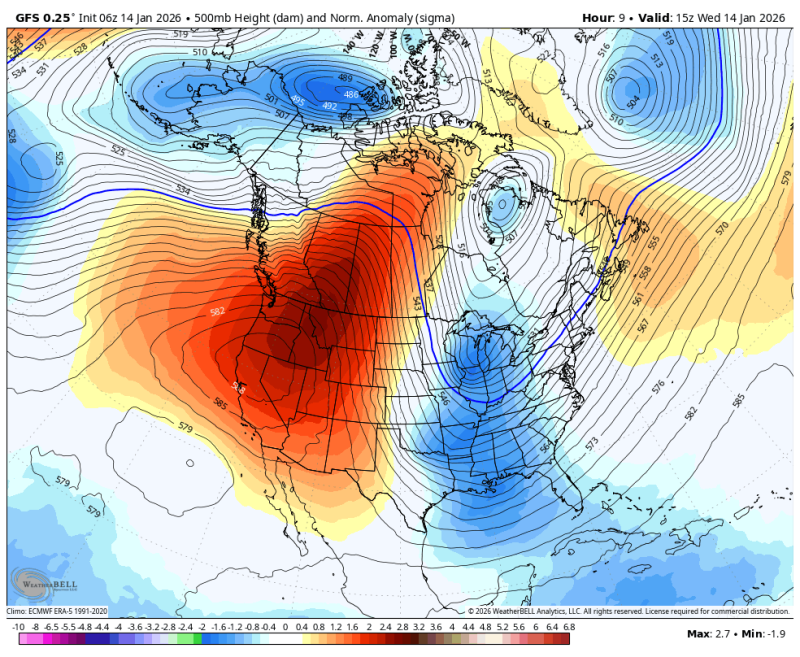
A ferocious mid-winter ridge stretching from Mexico to Northern Canada sits over the Western US and blocks our chance of precipitation for the next 7+ days. Rejoice in being in the mountains and out of valley inversion.

Recent Avalanches

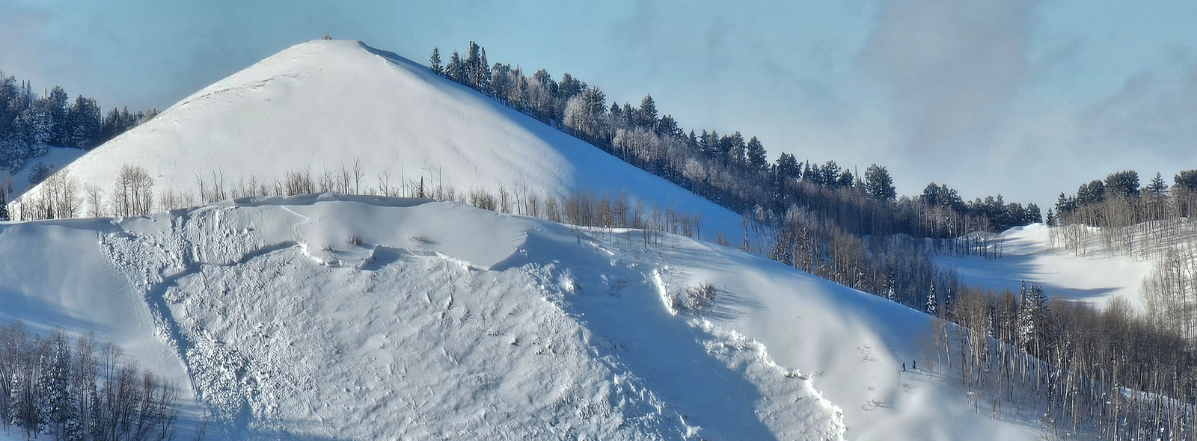
No avalanches were reported from the Provo zone on Tuesday. However, further north in the Salt Lake forecast zone, recent avalanches highlight conditions found in the upper elevations of the Provo zone.

On Saturday, January 10th:

  • A large natural avalanche in Stairs Gulch on a northwest aspect at 10,100 feet was reported. The avalanche was up to 5 feet deep and more than 300 feet wide, failing on faceted snow near the ground. Size: D2.5
  • Avalanche teams in the Cottonwoods were able to pry out large hard-slab avalanches that failed near the ground. These broke 3-5 feet deep in steep, rocky, extreme terrain around 10,200 feet on a northeast aspect. Size: D2

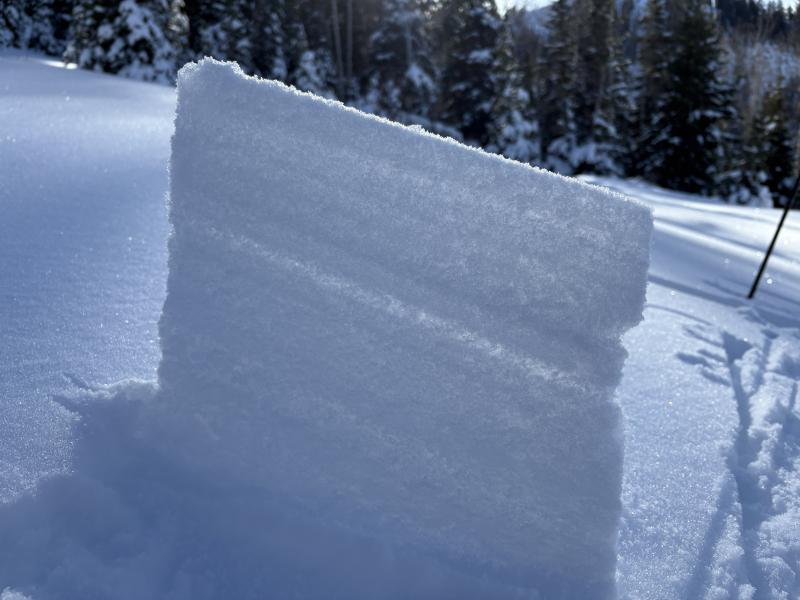
On Sunday, I traveled in the northern part of the zone near Forest Lake in American Fork Canyon, and found a thin, shallow snowpack and a buried layer of surface hoar.

You can view all recent observations here.

Avalanche Problem #1
Persistent Weak Layer
Type
Location
Likelihood
Size
Description

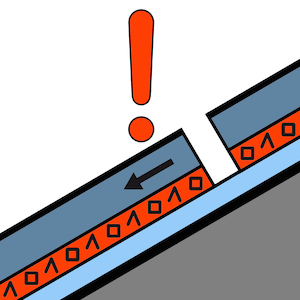
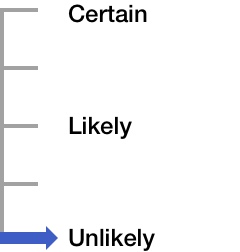
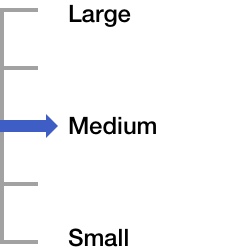
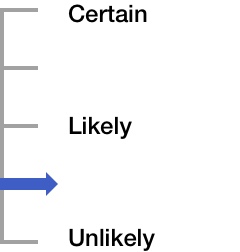
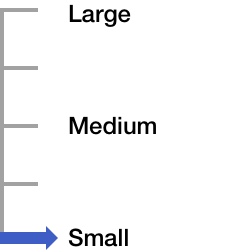
Saturday's natural avalanche in Stairs Gulch highlights the lingering potential for large, hard slab avalanches to fail on a persistent weak layer. Ski area avalanche teams have also triggered avalanches on this layer with large explosives as recently as Saturday morning.

While triggering a slide is becoming less likely, the consequences remain severe. Improved coverage and clear weather may tempt riders into new, data-sparse terrain. Travel cautiously and check snow depths frequently. If you find snow depths in the alpine less than 3 or 4 feet, dig down and investigate the snowpack structure. Places where a cohesive slab sits above a thin crust with facets beneath are the most suspect. These are the spots where you may still be able to trigger a large avalanche.

Size: Up to size D2.5

Trend: Decreasing Danger

Avalanche Problem #2
Wind Drifted Snow
Type
Location
Likelihood
Size
Description

Sustained, strong, north winds at high elevations are drifting snow onto southerly-facing slopes. These stiff slabs may be sensitive to the additional weight of a rider and have the potential to break above you. Be mindful of cross-loaded terrain features, even lower on the slope.

Size: D1- 1.5

Trend: Decreasing Danger

Additional Information

Several recent observations have highlighted some concerning travel trends in our zones. These comments aren't about judgment; they come from a place of shared concern for our community and everyone's safety.

It is a good time to refresh on the basics. Safe travel habits aren't just for 'high danger' days; they are the baseline techniques that reduce vulnerability for you and the groups around you.

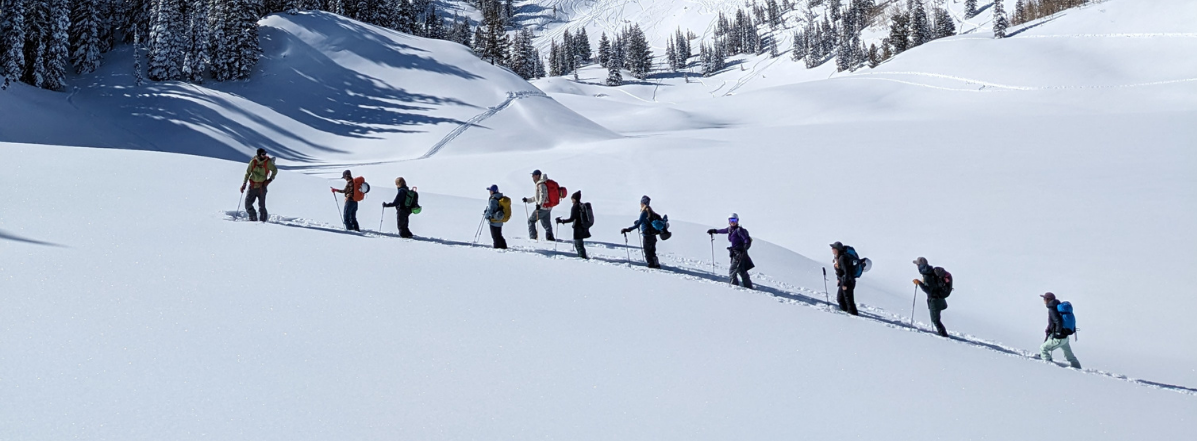
The goal is margin. We treat safe travel as a strict, daily habit to build a margin for error. This ensures that even if the actual conditions turn out to be different than your assessment, your exposure to the consequences remains low.

  • Pick safe up tracks that utilize ridges and slopes less than 30 degrees.
  • One at a time- never expose more than one person at a time to avalanche-prone slopes
  • Travel with a partner- you can't dig yourself out. A good partner can help you make decisions and is essential if things go wrong.
  • Communicate- communication with your partners is the key to good decision-making.
  • Stay out of the way- Avalanches commonly flow into gentle, open terrain. Regroup in places where you're not exposed.
General Announcements

This information does not apply to developed ski areas or highways where avalanche control is normally done. This forecast is from the U.S.D.A. Forest Service, which is solely responsible for its content. This forecast describes general avalanche conditions and local variations always occur.