Forecast for the Ogden Area Mountains

Bo Torrey
Issued by Bo Torrey on
Thursday morning, March 19, 2026

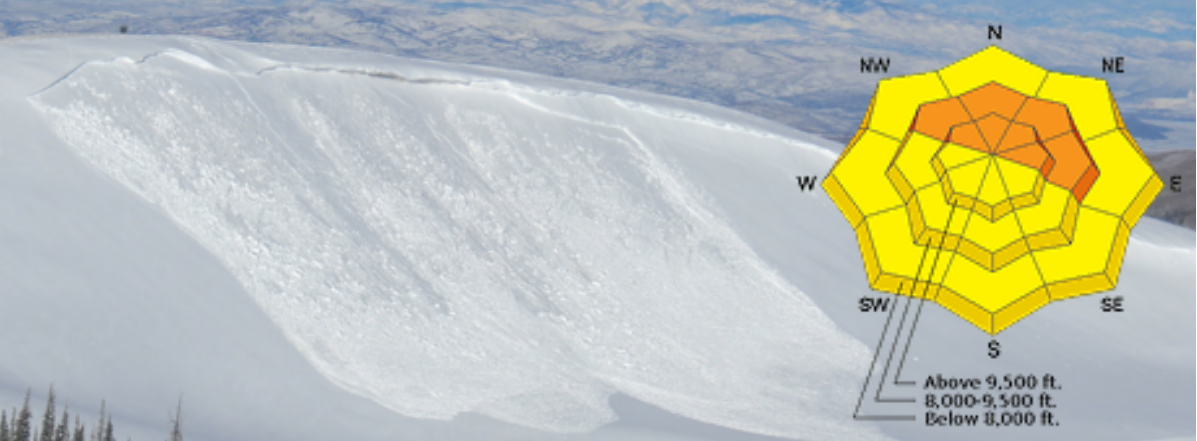
The avalanche danger is MODERATE and will quickly rise to CONSIDERABLE as daytime temperatures warm. Historic warm temperatures are sending large amounts of meltwater through the snowpack, which can destabilize layers and result in large, destructive natural avalanches.

Avoid travel on and below steep slopes, including avalanche runout zones and terrain traps.
Low
Moderate
Considerable
High
Extreme
Learn how to read the forecast here
Special Avalanche Bulletin

What

The Utah Avalanche Center is issuing a Special Avalanche Advisory for all mountain regions across Utah beginning Thursday, March 19, through Sunday, March 22, as avalanche danger is expected to rise in the coming days.

When

In effect from 6 AM MST Thursday to 6 AM MST Monday.

Where

The mountains of Utah and southeastern Idaho.

Impacts

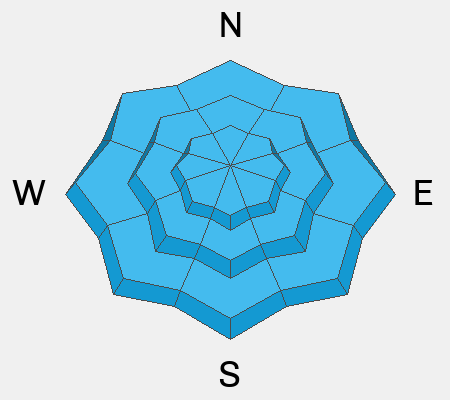
Record-breaking warm temperatures will rapidly destabilize the snowpack across the state, increasing the likelihood of widespread, spontaneous, destructive wet avalanches. Wet avalanches could occur on all aspects and at all elevations, including places that typically stay colder this time of year. Avoid travel on and below steep slopes, including avalanche runout zones and terrain traps.

Special Announcements

After a difficult week in February that included four avalanche fatalities, UAC forecasters will host a community debrief to discuss the conditions surrounding these accidents. We will review the weather and snowpack patterns, share observations from the field, and discuss lessons learned. This event will not be live but will include time for questions and discussion, with the goal of learning together as a community. Please use the form below to submit questions for review. Submit your questions HERE.

A new version of the UAC's mobile app has been released with many new features and performance improvements. Download our app today, available on iPhone and Android. Learn more HERE.

Weather and Snow

Overnight, low temperatures were in the upper 40s °F. Winds blew from the west at 15-20 mph with gusts in the 20s on Mt. Ogden and James Peak. Despite clear skies, it's unlikely the snow surface saw any refreeze.

Today, sunny and scorching with mountain temperatures rising well into the 60s °F. Winds will be light out of the west at 10-15 mph with ridgetop gusts in the upper 20s.

Recent Avalanches

Ski resorts reported minimal wet-loose activity yesterday.

You can find more observations from the Ogden mountains HERE.

Avalanche Problem #1
Wet Snow
Type
Location
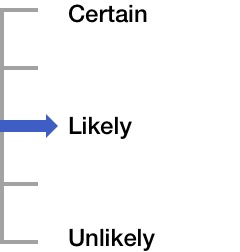
Likelihood
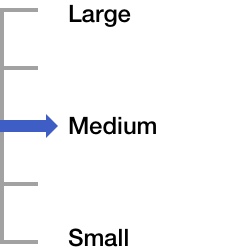
Size
Description

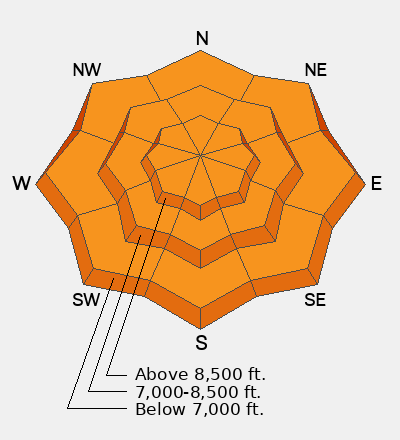
Mountain temperatures will climb into the mid-60s °F following a weak overnight refreeze. The window for safe travel is very small this morning. Once superficial crusts melt, expect to be able to trigger wet-loose avalanches that, although they may be relatively slow-moving, can gouge down and entrain a large volume of snow as they slide.

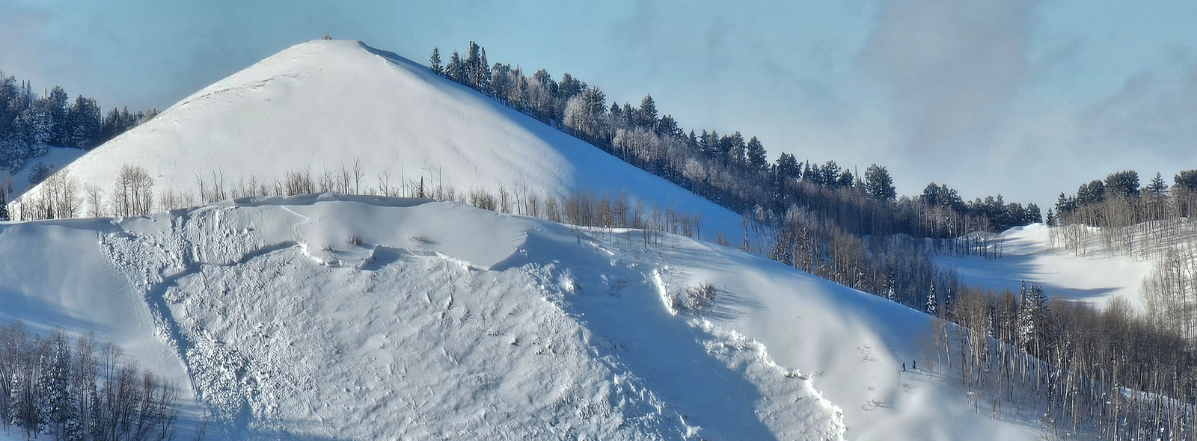
The potential for wet slabs to release will increase through the day as the snowpack warms and meltwater begins moving through the snowpack. Wet slabs are generally more destructive and more difficult to manage than wet-loose avalanches; they can break widely without clear warning signs. When meltwater percolates into the snowpack, it pools on buried crusts or faceted layers, weakening bonds and resulting in wet slab avalanches several feet thick. There is a high amount of variability and uncertainty in predicting wet slabs. Give yourself a wide safety margin to handle the uncertainty by choosing conservative terrain, avoiding travel on and beneath steep slopes, and planning an early exit from the mountains.

Additional wet-snow problems:

  • Glide avalanches: These full-depth, destructive slides are difficult to forecast. It’s worth avoiding areas where the snowpack exists above smooth ground vegetation or smooth rock slabs.

  • Cornices: Warm temperatures cause cornices to slump and bend, eventually falling off the ridgeline naturally in the spring. Avoid traveling on or beneath ridgelines where cornices hang overhead.

General Announcements

This information does not apply to developed ski areas or highways where avalanche control is normally done. This forecast is from the U.S.D.A. Forest Service, which is solely responsible for its content. This forecast describes general avalanche conditions and local variations always occur.