Forecast for the Moab Area Mountains

Eric Trenbeath
Issued by Eric Trenbeath on
Friday morning, February 6, 2026

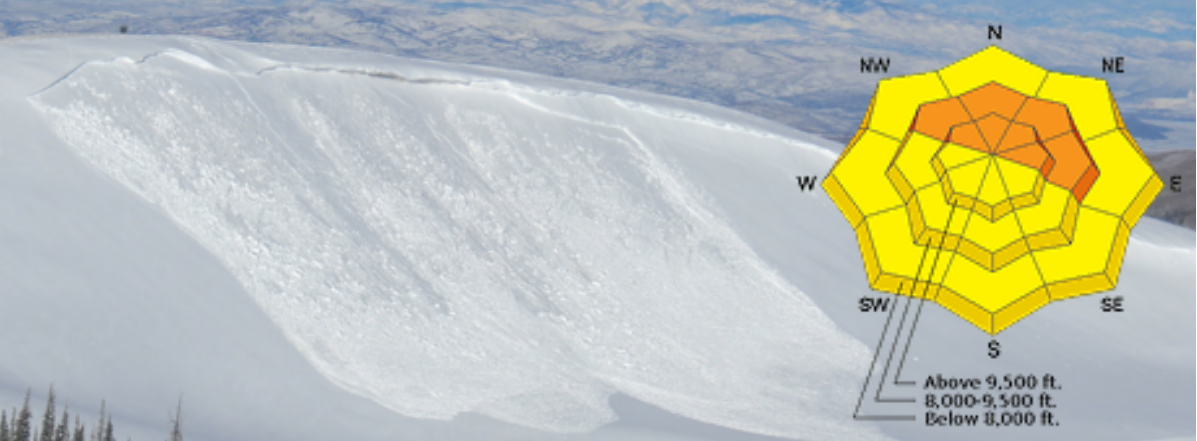
The avalanche danger is LOW, and the snowpack is generally stable. Watch for unstable snow on isolated features or in areas of extreme terrain. There are three potential problems to look out for today:

  • Dry loose avalanches of weak surface snow on steep, shady slopes.
  • Isolated pockets of wind-drifted snow on leeward slopes above treeline.
  • Wet loose avalanches on sun exposed slopes as the day heats up.
Low
Moderate
Considerable
High
Extreme
Learn how to read the forecast here
Special Announcements

Check out this recent blog post from Forest Service UAC Director Paige Pagnucco Weak Snow: Today's Surface, Tomorrow's Avalanche Problem.

Drew Hardesty has a new blog titled "The Greatest Rain on Earth."

Geyser Pass Road Conditions: The road is down to the dirt down low while sections of packed snow and ice remain above. AWD with good tires recommended.

Grooming: LUNA groomed all trails on Monday.

We are looking to reschedule our Moab Backcountry 101 Class to February 20, 21 in the hopes that we will have more snow. Click here for information and registration. Moab and Monticello locals can use the discount code MOAB-LOCAL for a 10% discount.

Weather and Snow

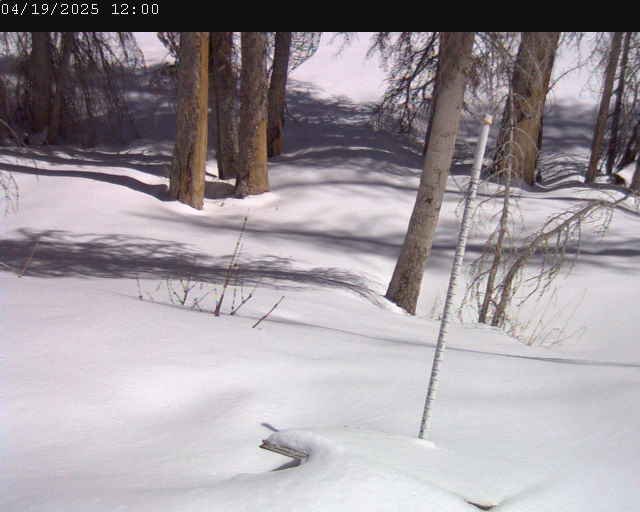
24 Hour Snow: 0" 72 Hour Snow: 0" Season Total Snow: 44" Depth at Gold Basin: 27"

Winds on Pre-Laurel Peak: S 15 -20 Temp: 29°F

Weather

A cut off low sliding down the west coast should push a few high clouds into our area today but overall, skies should be mostly sunny. Temperatures will continue to be 10-20 degrees above normal with a high near 40°F at 10,000'. Light to moderate ridge top winds will blow from the south shifting to southwest. More of the same through the weekend. All eyes continue to be on a much anticipated pattern change mid next week.

General Conditions

It has been nearly two weeks since our last snowfall. Most of the high peaks have been blasted down to the rocks by strong wind events throughout January. Low avalanche danger is a good time to explore, but the major summits and big objectives will offer poor skiing. Solar aspects are also very thin and are showing a lot of bare ground. The best skiing and riding is on protected shady aspects in the near treeline zone, or poking into the lower portion of the above treeline zone. On these slopes, slab distribution is isolated, and the snowpack is weak and faceted top to bottom. This makes for fun turning in "recycled" or "loud" powder. Believe it or not, turning and riding conditions are improving as the dry spell goes on. Read more about how "recycled" powder is formed here. This very weak surface snow is prone to sluffing in steep, continuous terrain. Dry, loose avalanches will become more likely and grow larger in size as long as our high-and-dry weather persists.

You wouldn't think so but good turns can be found out there. See Tim Mathew's full observation from Wednesday.

See all recent observations here.

Snowpack and Weather Data

Gold Basin SNOTEL site (10,000')
SNOTEL site near Geyser Pass Winter Trailhead (9600')
Wind Station on Pre-Laurel Peak (11,400')
NWS forecast for the La Sal Mountains.
Recent Avalanches
No recent avalanches have been reported.
Avalanche Problem #1
Normal Caution
Type
Location
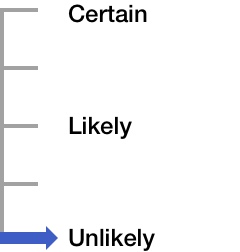
Likelihood
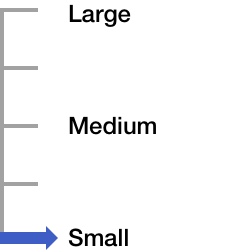
Size
Description

The snowpack is generally stable, and as always, low danger doesn't mean no danger and mountain travel over snow always has some risk. Here are potential problems to look out for today:

Dry loose avalanches of weak snow on shady slopes. These avalanches involve unconsolidated, sugary facets that can easily sluff on steep, shaded terrain, especially where the snowpack remains cold and weak. While these slides are unlikely to be large enough to fully bury a person, they can release easily and accelerate quickly, running fast and far downslope. As they move, they may gouge into the snowpack, picking up additional snow and gaining enough speed and mass to easily knock a skier or rider off their feet. The real hazard comes from the consequences of being carried—particularly in terrain with cliffs, rocks, trees, or other obstacles below. A small slide in the wrong place could result in serious injury. Carefully consider what lies beneath you before committing to steep terrain, and manage your exposure by traveling one at a time and avoiding slopes where a loss of balance would have high consequences.

Isolated pockets of wind-drifted snow near ridgelines. While previously formed wind slabs have generally proven stubborn and unreactive, there is always some potential for small, shallow slabs to develop in alpine terrain. These slabs are most likely to be found just below ridgelines, along convex rollovers, and in terrain features such as gullies and the lee sides of sub-ridges. Some of these drifts may be sitting on underlying weak and faceted snow, increasing the chance for a shallow, human-triggered avalanche. Any avalanche that occurs would likely be small, but could still knock a person off their feet or push them into hazardous terrain. Be alert for signs of recent wind loading, such as smooth, rounded snow pillows or stiff, hollow-sounding slabs, and use caution when traveling in exposed, wind-affected terrain.

Wet loose avalanches on sun exposed slopes. As the day heats up we may see some loose wet activity. Like dry loose avalanches, these should be relatively small but they could take you for a ride. Signs of instability include rollerballs, pinwheels, and sloppy wet snow. Stay off of and out from under steep slopes when these signs are present.

What happened to our persistent weak layer problem? To be sure, there are plenty of weak faceted layers in the snowpack. In fact, on most shady slopes near treeline and below, the snowpack is faceted all the way through to the ground. Although very weak, this structure is missing is an over-riding slab. We have to have a slab and a weak layer to have a problem. Above treeline, isolated hard slabs still exist over weak faceted snow, but over time these layers adjust to the stress of the load and they become "dormant." This does not mean they have gone away. A new snow load has the potential to reactivate these weak layers, and in the case of our current snowpack, it's all but certain that we will again have a persistent weak layer problem when snow returns.


Additional Information
General Announcements
This forecast is from the U.S.D.A. Forest Service, which is solely responsible for its content. This forecast describes general avalanche conditions and local variations always occur.