Forecast for the Logan Area Mountains

Paige Pagnucco
Issued by Paige Pagnucco on
Saturday morning, March 7, 2026

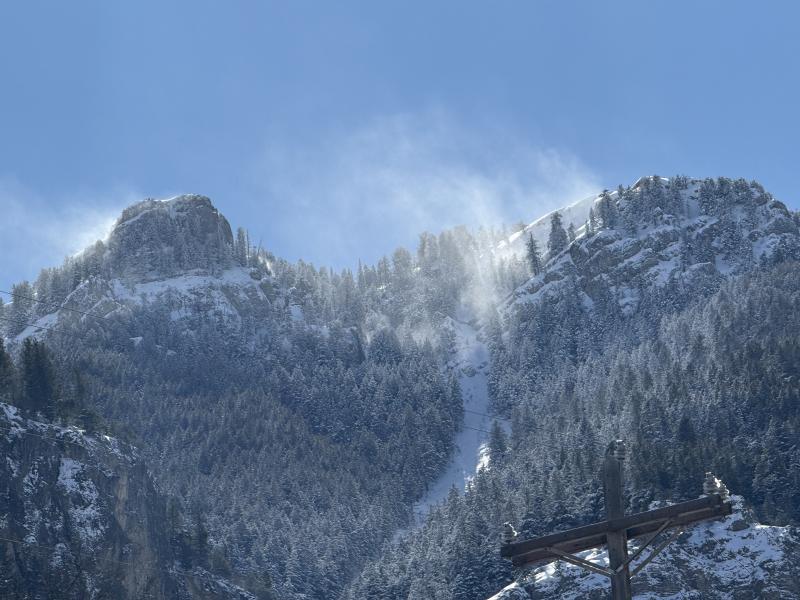
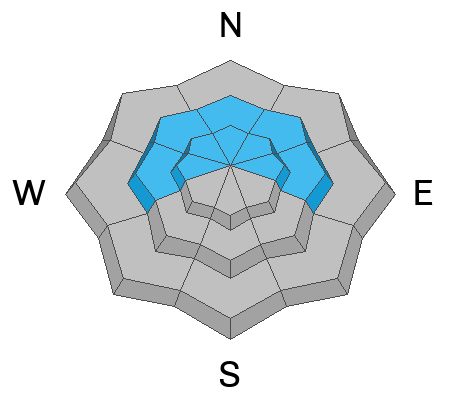
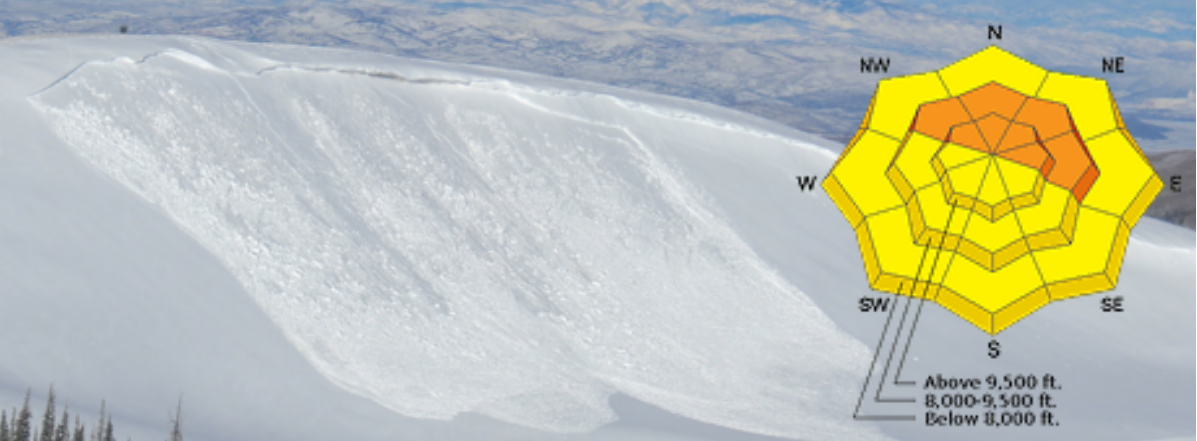
CONSIDERABLE avalanche danger exists in upper-elevation terrain where people are likely to trigger slabs of previously wind-drifted snow up to 3 feet deep. Though less likely, people could still trigger dangerous avalanches on upper- and mid-elevation polar slopes facing northwest through southeast, failing on weak, sugary, faceted snow buried up to 4 feet deep.

With the high March sun angle, wet avalanche activity may increase on solar slopes as the day warms.

Low
Moderate
Considerable
High
Extreme
Learn how to read the forecast here
Weather and Snow

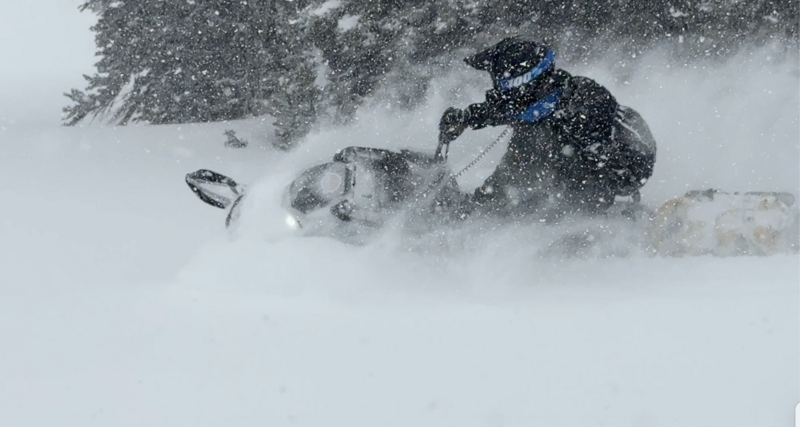
Finally - a classic Utah snowstorm. Better late than never. Riding conditions were excellent in upper elevation terrain yesterday, with cold, deep powder delivering one of the best days of our otherwise bleak season. Snowfall totals vary widely: lower elevations picked up just a few inches, mid elevations saw about 6–12", and upper elevations were the clear winners with 18–24". The snow should remain cold and soft on shady slopes with today’s cooler temperatures. Solar aspects, however, took on some heat yesterday under the high March sun and are likely crusted over this morning.

The UAC Card Canyon weather station at 8700 feet reports 16°F and 68 inches of total snow. The Tony Grove Snotel, located at 8400 feet, reports 21°F with 81 inches of total snow. At 9700 feet on Logan Peak, winds are blowing from the northwest in the teens mph, with gusts in the 20s mph. It's 15°F on Paris Peak at 9500 feet, and the wind is blowing 20 to 26 mph from the west.

Today will be a stunner in the mountains - sunny skies, 8500' highs near 32°F, and light winds blowing from the west. Expect the same for Sunday but with warmer temps.

Recent Avalanches

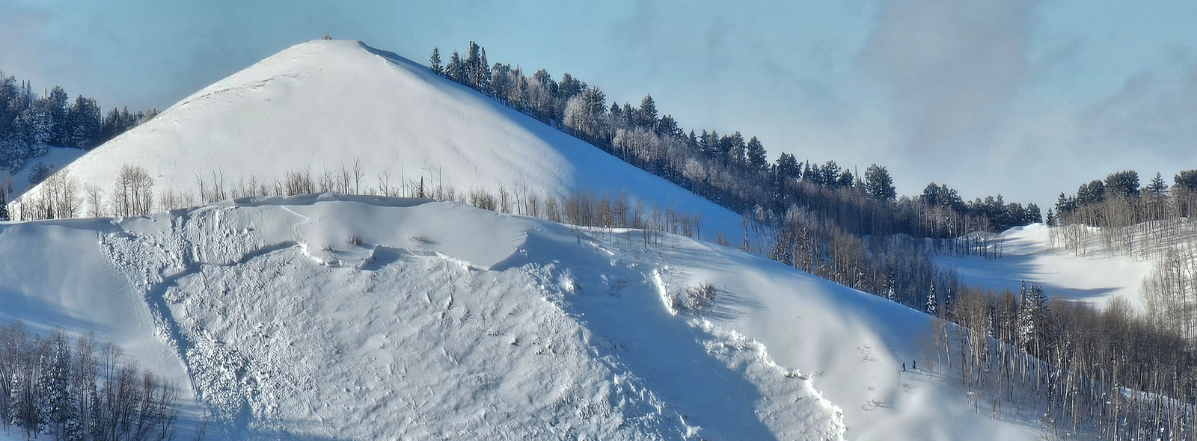
No new avalanches were reported yesterday, but last weekend was fairly active, with a similar setup to today's.

From the past week: the video below, submitted by local riders, includes actual images from both avalanches:

Huge thanks to the riders who shared information, photos, and videos. This information may well save lives.... For all observations and avalanche activity in the Logan Zone, go HERE.

Avalanche Problem #1
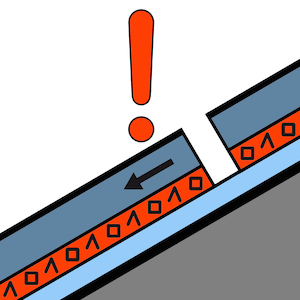
Wind Drifted Snow
Type
Location
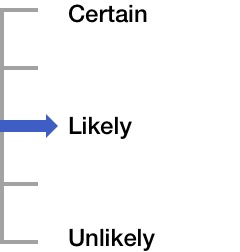
Likelihood
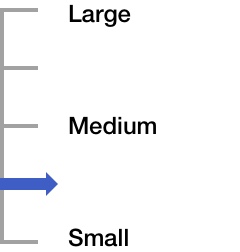
Size
Description

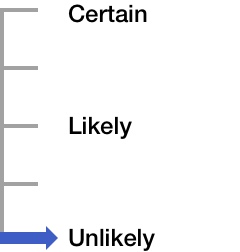
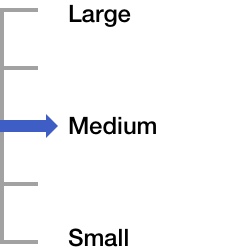
People are likely to trigger soft and hard slab avalanches of wind-drifted snow. Moderate winds blowing from the northwest over the past few days have formed drifts in starting zones near ridgelines and around terrain features such as gullies, rocks, rollovers, and sub-ridges. Wind slabs are often recognizable as rounded pillows of snow that can feel hollow or drum-like underfoot. You may see shooting cracks out in front of your skis or sled, and some slabs may allow you to get well out onto them before suddenly releasing.

  • Watch for and avoid steep slopes with recent wind-drifted snow.
  • Collapsing or shooting cracks are clear signs of instability—but their absence does not mean the slope is safe.
  • Avalanches of wind-drifted snow could step down into the buried January persistent weak layer, producing larger and more dangerous avalanches.

Avalanche Problem #2
Persistent Weak Layer
Type
Location
Likelihood
Size
Description

A persistent weak layer of faceted snow from January is buried about 2–4 ft deep on mid- and upper-elevation slopes facing the northern half of the compass. Upper-elevation northwest through east slopes are particularly suspect. While avalanches breaking into this layer are becoming less likely, any that do occur will be large, destructive, and dangerous.

  • Avalanches failing on buried facets can propagate widely and may be triggered remotely—from the side or below.
  • Slopes with a shallower overall snowpack are especially suspect.
  • Red flags are often absent when these avalanches occur.

As with all avalanche problems—but especially this one—only expose one person at a time in avalanche terrain. If an avalanche occurs, the rest of the group can respond quickly.

Avalanche Problem #3
Wet Snow
Type
Location
Likelihood
Size
Description

Watch for and avoid being on or under steep sunny slopes with saturated snow during the heat of the day. If you notice rollerballs and/or are sinking deeply into mushy, wet snow, move to a cooler aspect or elevation.

Additional Information
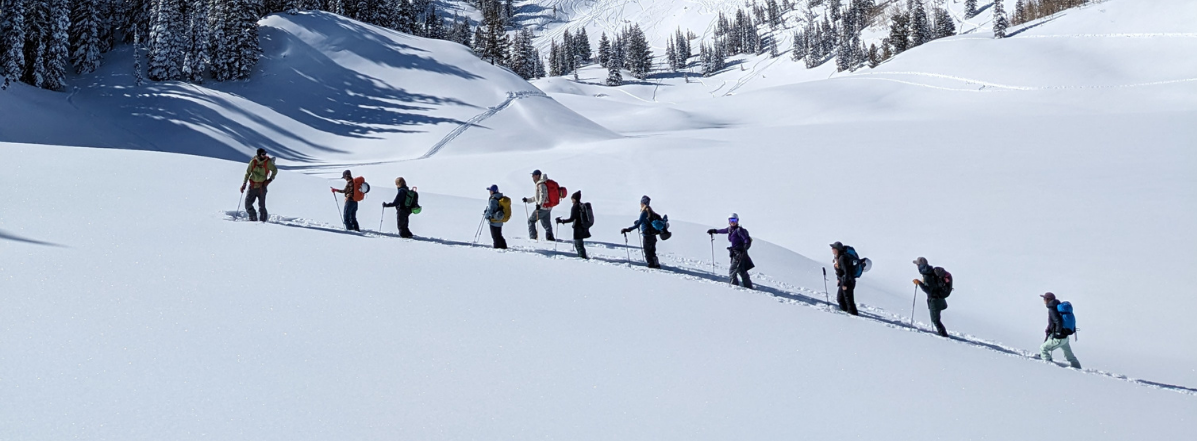
  • Travel with a partner, and cross or ride slopes steeper than 30 degrees one at a time while the rest of your group watches from a safe spot.
  • Ensure that everyone in the group has avalanche rescue equipment (a transceiver, probe, and shovel) and knows how to use it.

-----------------------------------------------------------------------------------------------------------------------------------------------------------------

With complex and dangerous avalanche conditions across the Bear River Mountains, your safest choice is still to stay off and away from steep hills. If you choose to travel in avalanche terrain, follow safe travel protocols by exposing only one person at a time. The video below is about last Friday's Naomi Trail Avalanche.

Join the UAC for the first "Stay and Play Avalanche Course" at Bear River Lodge in the Uintas, March 19th-22nd. This course is designed for snowmobilers by snowmobilers, where you will learn avalanche rescue, riding skills, and how to survive in the backcountry. Come enjoy all the luxury offerings at Bear River Lodge and improve your skills along the way.

For all questions on forecasts, education, Know Before You Go, events, online purchases, or fundraising, call 801-365-5522.

Did you know the UAC hosts a podcast? Episode 2 of Season IX is just out - AI, Machine Learning, and the Value of Expert Intuition at the Utah Avalanche Center.

Are you interested in learning more about avalanches? Visit our education page for details on all our classes.

For more information, visit the UAC weather page here: UAC Weather Page For Logan-specific weather, go here: Logan Mountain Weather

-Remember, the information you provide could save lives, especially if you see or trigger an avalanche. To report an avalanche or submit an observation from the backcountry, go HERE

-Receive forecast region-specific text message alerts to receive messages about changing avalanche conditions, watches, and warnings. Sign up and update your preferences HERE

This forecast is from the U.S.D.A. Forest Service, which is solely responsible for its content. This forecast describes general avalanche conditions and local variations always occur.


General Announcements
This information does not apply to developed ski areas or highways where avalanche control is normally done. This forecast is from the U.S.D.A. Forest Service, which is solely responsible for its content. This forecast describes general avalanche conditions and local variations always occur.