Forecast for the Logan Area Mountains

Toby Weed
Issued by Toby Weed on
Monday morning, March 2, 2026

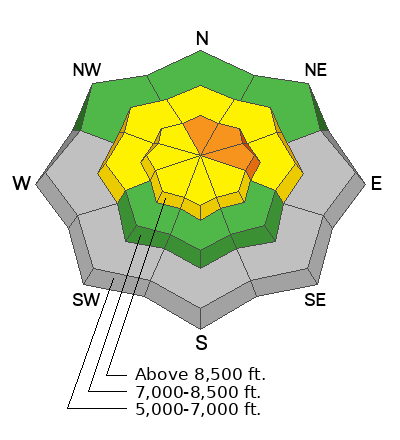
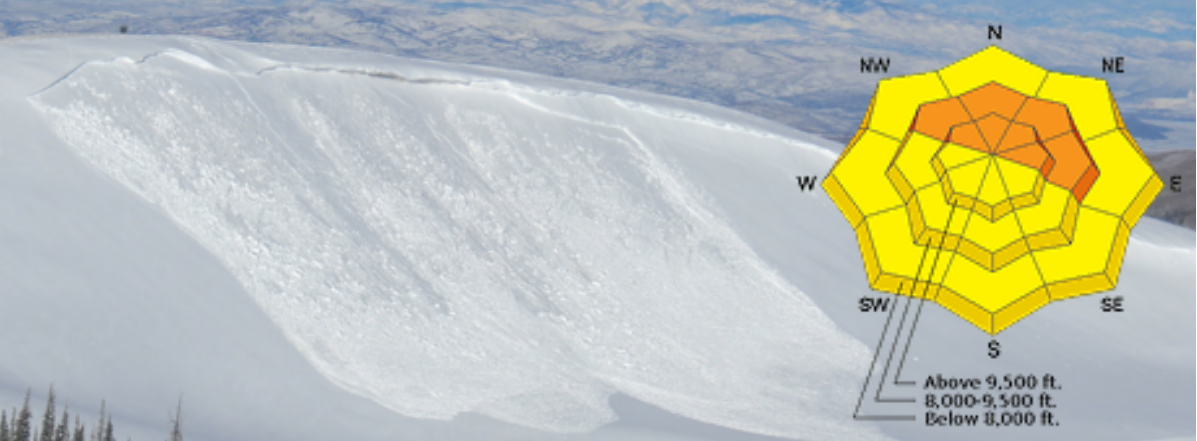
MODERATE: Heightened avalanche conditions exist on previously drifted upper and mid-elevation slopes steeper than 30 degrees across the Bear River Mountains. Recent avalanche reports indicate areas with CONSIDERABLE danger exist on north and east-facing slopes at upper elevations. People could trigger dangerous hard slab avalanches that propagate widely, failing on a widespread, persistent weak layer buried up to three feet deep.

Avalanche conditions are complex; make conservative decisions and evaluate the snow and terrain carefully.

Low
Moderate
Considerable
High
Extreme
Learn how to read the forecast here
Weather and Snow

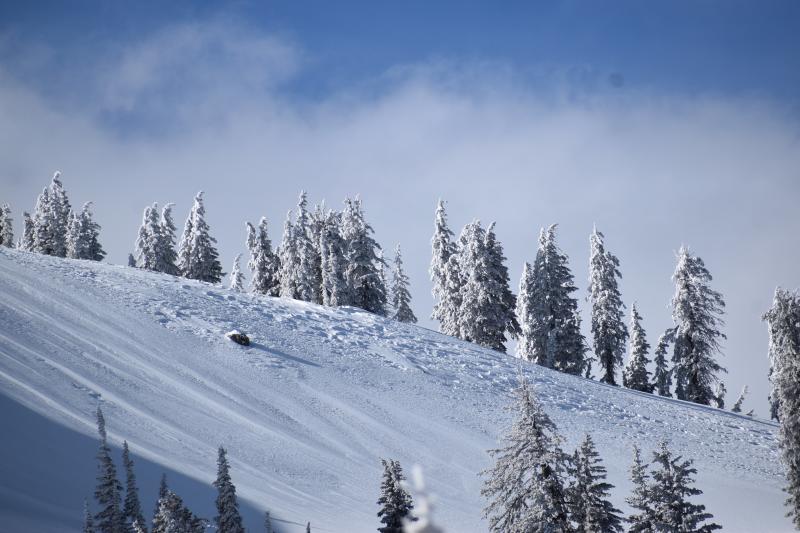
A couple of inches of new snow accumulated overnight on the weekend's highly variable snow surface. It is not enough to change the avalanche conditions much, but it will repaint the views and improve riding conditions. This weekend, we found mostly supportable snow that in the mornings was crusty in all terrain below about 8500 feet, and wind-jacked in higher elevations. Warm temperatures softened the crusts, turning the surface snow to mush in sunny terrain by afternoon. There is very little snow left below about 7000 feet in elevation, sunny slopes are burnt off and bare, access trails are muddy or rocky, and just getting up to normal rideable terrain is a chore in many places. Trailheads in upper Logan Canyon offer the best options.

Poor snowpack structure persists on many slopes, now capped by softening crusts of varying thickness and density. Our biggest concern is riders triggering a slab of wind-drifted snow sitting atop the weak, sugary faceted snow that developed during our January dry spell.

The UAC Card Canyon weather station at 8700 feet reports two-and-a-half inches of new snow overnight. It's 30°F with 56 inches of total snow. The Tony Grove Snotel, located at 8400 feet, reports 2 inches of heavy new snow, it's 32°F, and there's 72 inches of total snow. At 9700 feet on Logan Peak, light winds are blowing from the south. It's 27°F on Paris Peak at 9500 feet, and the wind, from the south-southeast, is blowing 9 to 11 mph.

It's going to be another cloudy and soggy day in the mountains, with rain and snow showers, some thunder possible, and a high temperature around 38°F at 8500 feet. Light winds will blow from the southwest, and little accumulation is expected. Snowfall is likely tonight into Tuesday morning, hopefully, delivering 2 to 4 more inches of snow. The pattern remains unsettled, with cooler temperatures arriving later in the week, and our next chance for snow comes Wednesday night and Thursday.

Recent Avalanches

In the Wasatch Mountains, avalanches have killed four people recently in separate accidents. We've released our final report on last Sunday's tragic Butler Basin Accident (2-22-26). Our heartfelt condolences go out to the affected family, friends, rescuers, and community members. Thank you to everyone involved for sharing information.

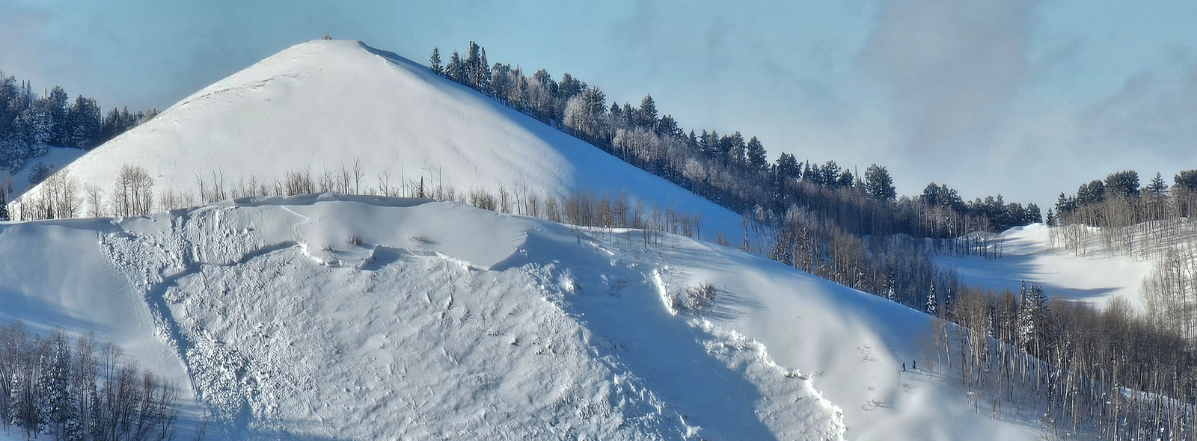
*In each of the last three days in the Logan Zone, riders triggered large and dangerous hard slab avalanches. These hard slab avalanches of previously wind-drifted snow are exactly the type of avalanche you could trigger today:

  • An observer's crew came across and searched a freshly triggered avalanche on Friday, February 27, near the Naomi Trail on an east-facing slope around 8900'. video below
  • On Saturday, February 28, riders triggered a large slide, reported to be about 2 feet deep and 500 feet wide, at about 9500 feet in elevation on the eastern side of Naomi Peak.
  • On Sunday, March 1, a rider was caught and carried, and their sled rolled by a 3-foot deep and 50-foot wide hard slab avalanche under a cliff band on a north-facing slope at around 8700 feet in elevation. report here

For all observations and avalanche activity in the Logan Zone, go HERE.

Avalanche Problem #1
Persistent Weak Layer
Type
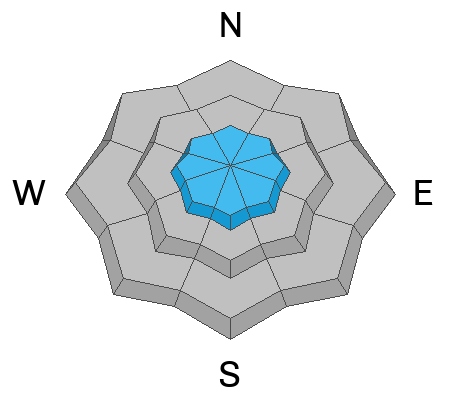
Location
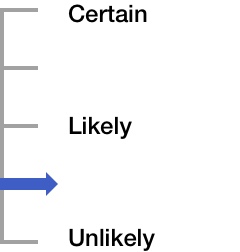
Likelihood
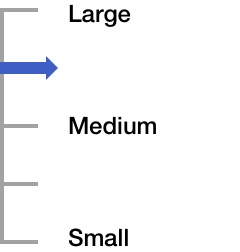
Size
Description

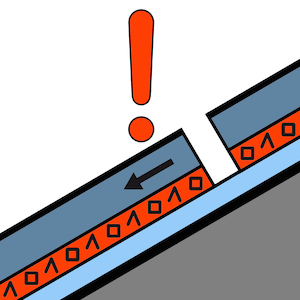
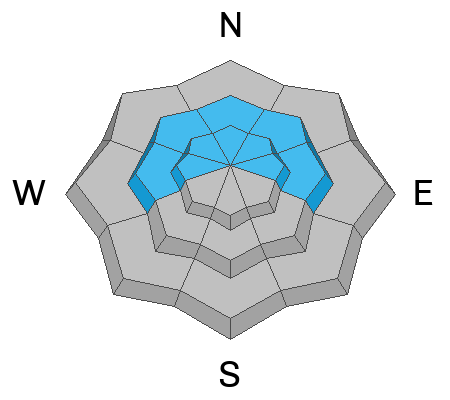
Avalanche conditions remain elevated in the backcountry. A widespread buried persistent weak layer (PWL) exists on mid and upper elevation slopes facing west through north through east. Last week’s storm winds built cohesive slabs over weak, faceted snow. Our primary concern is that a person could trigger one of these wind-drifted slabs, causing it to fail 1–3 feet deep on buried facets. Any avalanche that breaks into this layer could be large, destructive, and dangerous.

  • Hard slab avalanches are becoming stubborn and difficult to trigger, but as we've seen this weekend, they require only hitting the right trigger point. A rider or a snowmobile traveling uphill, across the slope, or downhill—especially across a thin or shallow spot in the slab—could cause it to fail. These types of avalanches can propagate widely and may be triggered remotely, or worse, from below. Hard wind slabs can be tricky; sometimes, allowing a person to get well out on them before suddenly releasing.

  • Watch for and avoid smooth, rounded, drum-like drifts near ridgelines, sub-ridges, rock outcrops, gully walls, and rollovers. Collapsing and shooting cracks indicate instability—but may not always be present.

Avalanche Problem #2
Wind Drifted Snow
Type
Location
Likelihood
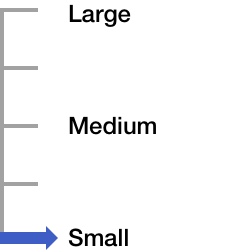
Size
Description

Small avalanches of wind-drifted snow are increasingly possible as new snow accumulates at upper elevations and is drifted onto steep slopes.

Additional Information
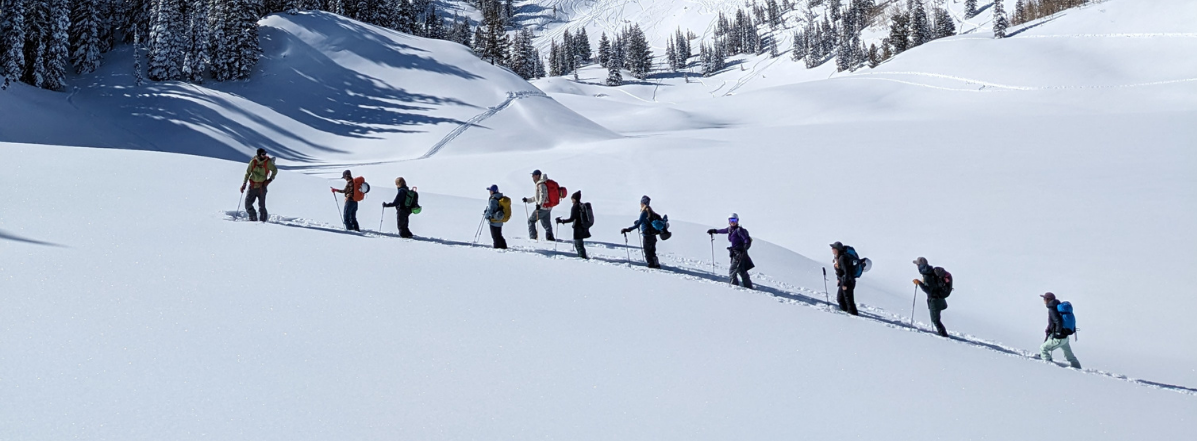
  • Travel with a partner, and cross or ride slopes steeper than 30 degrees one at a time while the rest of your group watches from a safe spot.
  • Ensure that everyone in the group has avalanche rescue equipment (a transceiver, probe, and shovel) and knows how to use it.

-----------------------------------------------------------------------------------------------------------------------------------------------------------------

With complex and heightened avalanche conditions across the Bear River Mountains, your safest choice is still to stay off and away from steep hills. If you choose to travel in avalanche terrain, follow safe travel protocols by exposing only one person at a time. video below

Join the UAC for the first "Stay and Play Avalanche Course" at Bear River Lodge in the Uintas, March 19th-22nd. This course is designed for snowmobilers by snowmobilers, where you will learn avalanche rescue, riding skills, and how to survive in the backcountry. Come enjoy all the luxury offerings at Bear River Lodge and improve your skills along the way.

For all questions on forecasts, education, Know Before You Go, events, online purchases, or fundraising, call 801-365-5522.

Did you know the UAC hosts a podcast? Episode 2 of Season IX is just out - AI, Machine Learning, and the Value of Expert Intuition at the Utah Avalanche Center.

Are you interested in learning more about avalanches? Visit our education page for details on all our classes.

For more information, visit the UAC weather page here: UAC Weather Page For Logan-specific weather, go here: Logan Mountain Weather

-Remember, the information you provide could save lives, especially if you see or trigger an avalanche. To report an avalanche or submit an observation from the backcountry, go HERE

-Receive forecast region-specific text message alerts to receive messages about changing avalanche conditions, watches, and warnings. Sign up and update your preferences HERE

This forecast is from the U.S.D.A. Forest Service, which is solely responsible for its content. This forecast describes general avalanche conditions and local variations always occur.


General Announcements
This information does not apply to developed ski areas or highways where avalanche control is normally done. This forecast is from the U.S.D.A. Forest Service, which is solely responsible for its content. This forecast describes general avalanche conditions and local variations always occur.