Forecast for the Logan Area Mountains

Toby Weed
Issued by Toby Weed on
Friday morning, February 27, 2026

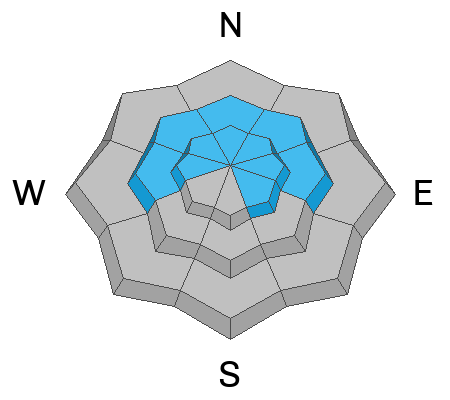
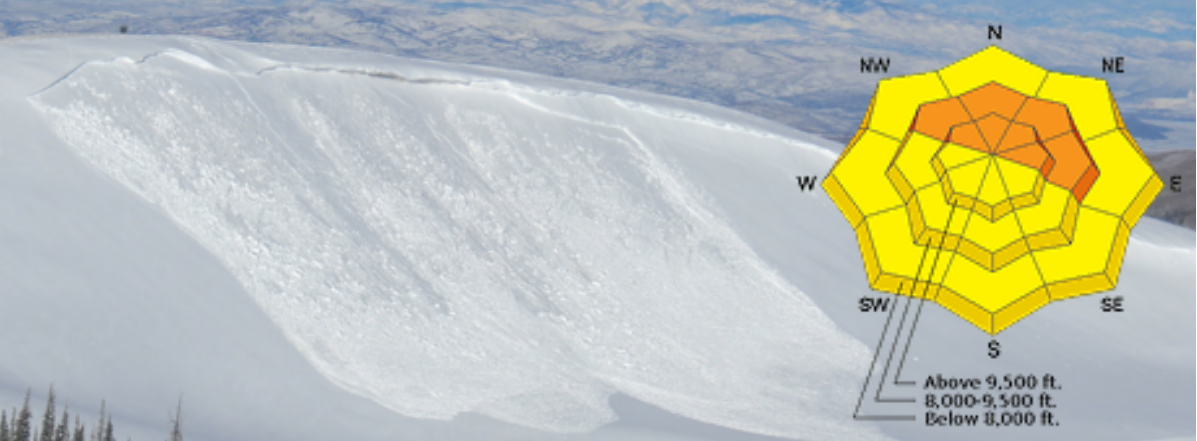
MODERATE: Heightened avalanche conditions exist on slopes with poor snow structure that are steeper than 30 degrees, and people could trigger dangerous avalanches failing on a persistent weak layer buried 1 to 3 feet deep.

Avalanche conditions are complex; evaluate the snow and terrain carefully

Low
Moderate
Considerable
High
Extreme
Learn how to read the forecast here
Special Announcements

We are deeply saddened to report that one of the skiers involved in the Butler Basin accident on Saturday, February 21, has died from injuries sustained in the avalanche. Our deepest condolences go out to the victim’s family, friends, and everyone impacted by this tragic accident.

Weather and Snow

Rain fell on the snow in the mountains up to around 8500 feet on Wednesday, saturating the heavy snow and creating a very thick and hard crust on the surface. The rain melted off all the snow on many slopes at lower elevations (below about 7000 feet), with only northerly-facing slopes holding very saturated and now refrozen snow. Yesterday, in the Central Bear River Range, we found very poor snowpack structure at mid-elevations, but it's all capped by the thick crust that is so strong it supports the weight of a person on boots or a sled. At higher elevations, heavily rimed snow filled with graupel was quite wind-jacked, drifted into deep, hard drifts, some slopes scoured to the bone, and areas of rock-hard wind-sculpted sastrugi. We found supportable, ride anywhere surface snow conditions, atop the crust till upper elevations, where the rimed surface in most terrain is supportable, and pockets of heavy graupel in sheltered terrain can offer fun riding options. With complex and heightened avalanche conditions across the Bear River Mountains, your safest choice is still to stay off and away from the steep hills, and riding conditions don't really justify the avalanche risk. video below

The UAC Card Canyon weather station at 8700 feet reports 26°F, 56 inches of total snow. The Tony Grove Snotel, located at 8400 feet, reports 32°F, and there's 71 inches of total snow. At 9700 feet on Logan Peak, the winds are blowing from the west at 25 to 40 mph. It's 23°F on Paris Peak at 9500 feet, and the wind, from the west-northwest, is blowing 30 to 42 mph. It will be sunny today with a high temperature at 8500 feet around 38 °F and winds from the west, blowing 15 to 20 mph, with gusts in the thirties. Tomorrow will be partly sunny and warm, with high temps around 42°F in upper elevation terrain and golfing weather down in Cache Valley. Snow is likely Sunday and Monday, but we do not expect much precipitation.

Recent Avalanches

In the Wasatch Mountains, avalanches in the last week killed 4 people. We've released the final report on the tragic February 19 Ant Knolls Avalanche. All recent avalanche reports are listed HERE.

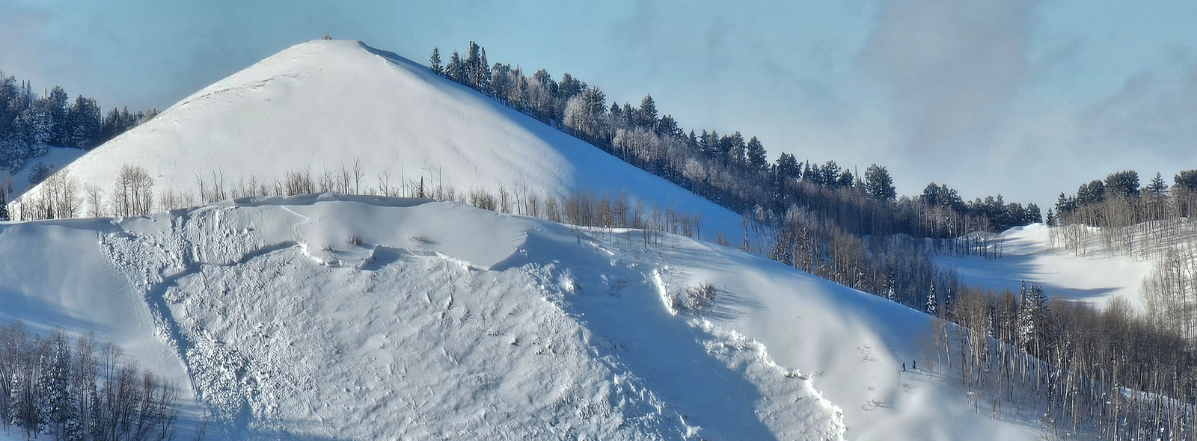
For all observations and avalanche activity in the Logan Zone, go HERE. Locally, we could see evidence of several natural avalanches that occurred on Wednesday in the Wellsville and Bear River Ranges. On Saturday, riders triggered a couple of large hard slab avalanches in the Three Terraces area in upper Providence Canyon. The video account is below:

Avalanche Problem #1
Persistent Weak Layer
Type
Location
Likelihood
Size
Description

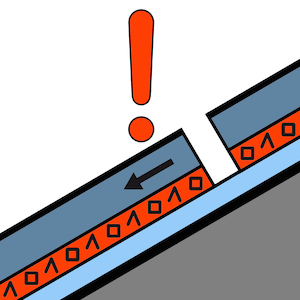
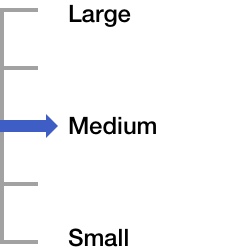
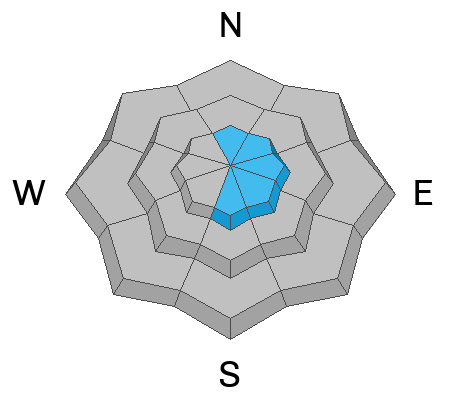
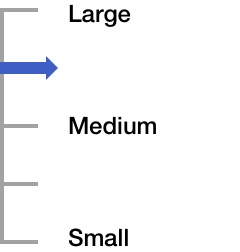
Avalanche conditions are elevated in the backcountry, as preexisting layers of very weak snow were overloaded by very heavy snowfall and drifting. A thick rain crust caps a poor snowpack structure, and it's so thick and hard that it will now be difficult for a person to trigger an avalanche, but a fragile, sugary, persistent weak layer is buried 1 to 3 feet deep, and the avalanches it can produce are large, destructive, and deadly.

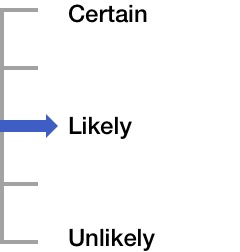
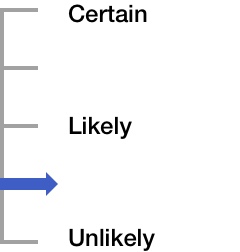
  • Natural avalanches failing on the widespread persistent weak layer are possible today, and they could be large and destructive.
  • Large, dangerous, and deadly avalanches can be triggered remotely (from a distance or below).
  • Audible collapsing or whumpfs and shooting cracks indicate unstable snow, but may not always be present.

This video shows an extended column test from Tuesday in the Northern Bear River Range.

Avalanche Problem #2
Wind Drifted Snow
Type
Location
Likelihood
Size
Description

Hard wind slab avalanches are possible, but they will be difficult for a person to trigger.

  • Avoid and stay out from under the large, freshly formed cornices on the ridge lines. These could break further back than expected and may trigger large avalanches on steep slopes below.
  • Hard slabs of wind-drifted snow may be rounded and smooth-looking, and they often sound hollow, like a drum, and they can be found in and around terrain features like sub-ridges, rock outcroppings, gully walls, and mid-slope rollovers.
  • Hard wind slabs can be tricky; sometimes, allowing a person to get well out on them before suddenly releasing.
Additional Information
  • Travel with a partner, and cross or ride slopes steeper than 30 degrees one at a time while the rest of your group watches from a safe spot.
  • Ensure that everyone in the group has avalanche rescue equipment (a transceiver, probe, and shovel) and knows how to use it.

-----------------------------------------------------------------------------------------------------------------------------------------------------------------

Join the UAC for the first "Stay and Play Avalanche Course" at Bear River Lodge in the Uintas, March 19th-22nd. This course is designed for snowmobilers by snowmobilers, where you will learn avalanche rescue, riding skills, and how to survive in the backcountry. Come enjoy all the luxury offerings at Bear River Lodge and improve your skills along the way.

For all questions on forecasts, education, Know Before You Go, events, online purchases, or fundraising, call 801-365-5522.

Did you know the UAC hosts a podcast? Episode 2 of Season IX is just out - AI, Machine Learning, and the Value of Expert Intuition at the Utah Avalanche Center.

Are you interested in learning more about avalanches? Visit our education page for details on all our classes.

For more information, visit the UAC weather page here: UAC Weather Page For Logan-specific weather, go here: Logan Mountain Weather

-Remember, the information you provide could save lives, especially if you see or trigger an avalanche. To report an avalanche or submit an observation from the backcountry, go HERE

-Receive forecast region-specific text message alerts to receive messages about changing avalanche conditions, watches, and warnings. Sign up and update your preferences HERE

This forecast is from the U.S.D.A. Forest Service, which is solely responsible for its content. This forecast describes general avalanche conditions and local variations always occur.

General Announcements
This information does not apply to developed ski areas or highways where avalanche control is normally done. This forecast is from the U.S.D.A. Forest Service, which is solely responsible for its content. This forecast describes general avalanche conditions and local variations always occur.