Forecast for the Logan Area Mountains

Toby Weed
Issued by Toby Weed on
Monday morning, January 5, 2026

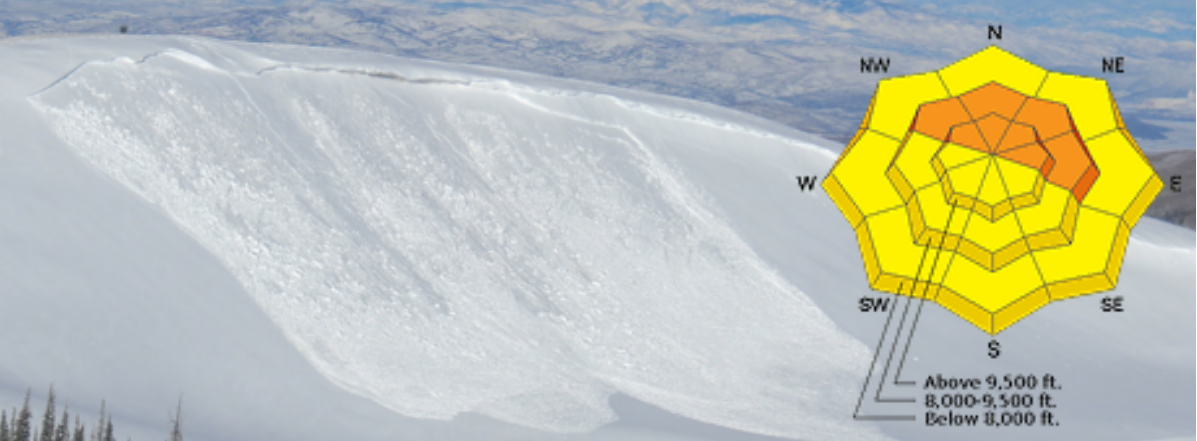
Heavy snowfall and drifting by winds from the southwest created a CONSIDERABLE avalanche danger in the backcountry. Dangerous conditions exist, especially in drifted upper and mid-elevation terrain where natural avalanches are possible, and people are likely to trigger dangerous avalanches.

  • Continuing heavy snowfall and drifting today could cause the danger to rise to HIGH in some upper elevation areas.
Low
Moderate
Considerable
High
Extreme
Learn how to read the forecast here
Weather and Snow

Today's problems on slopes steeper than 30 degrees include soft slab and/or loose avalanches of storm snow, stiffer wind slab avalanches, and avalanches failing on a buried persistent weak layer near the ground. People should avoid being on or under slopes steeper than about 30 degrees, especially on slopes where winds are depositing the new snow.

Currently at 9700 feet on Logan Peak, it's 23°F, the wind is blowing 24 mph from the southwest, with a gust of 61 mph early this morning. It's 29°F at the Tony Grove Snotel this morning with 15 inches of somewhat heavy new snow and 60 inches of total snow. At the UAC Card Canyon weather station, it's 26°F, with 13 inches of new snow and 45 inches of total snow.

The National Weather Service has continued a Winter Weather Advisory for the Logan Zone extending through tonight. Snow will be heavy at times today, with high temperatures at 8500 feet falling to around 25°F, and 5 to 9 inches of additional accumulation possible. Snow showers will continue through the week in the mountains, with the next wave of storminess expected to arrive on Wednesday, with 6 to 14 inches possible by Thursday.

Recent Avalanches

No new avalanches have been reported recently. For all observations and avalanche activity in the Logan Zone, go HERE.

Avalanche Problem #1
New Snow
Type
Location
Likelihood
Size
Description

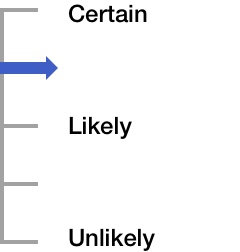
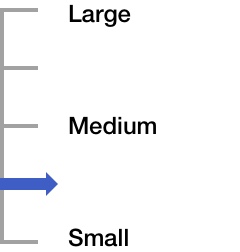
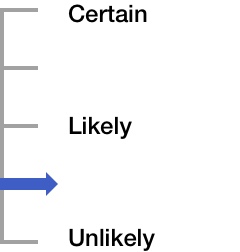
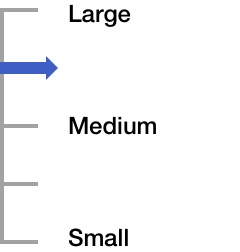
Heavy snowfall and drifting today will continue to elevate avalanche conditions on steep slopes, with soft slab and loose avalanches of storm snow becoming increasingly likely. Natural soft slab and loose avalanches of storm snow are most likely during periods of very heavy snowfall, and you should stay off and out from under steep slopes during these times.. Avalanches of wind-drifted new snow, 1 to 3 feet thick, are likely in upper elevation and mid elevation terrain, with significant loading in lee terrain caused by preferential deposition during the storm.

Avalanche Problem #2
Wind Drifted Snow
Type
Location
Likelihood
Size
Description

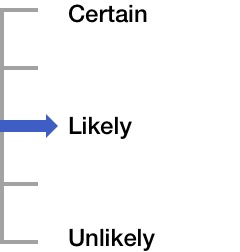
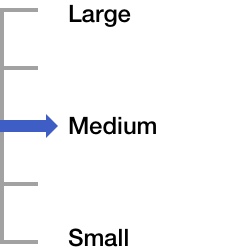
People are likely to trigger wind slab avalanches today, especially in exposed terrain at upper elevations and on drifted mid-elevation slopes facing the northern half of the compass. Wind slab avalanches up to 3 feet thick might fail on a preexisting layer of weak surface snow. Soft new wind slabs will continue to form in and around terrain features during today's storm.

  • Avoid travel on and under steep slopes with thick and/or stiff deposits of recently wind-drifted snow.
  • Cracking is an obvious sign of instability.
  • Soft wind slabs of drifted new snow might be quite sensitive to human triggering, while hard, now buried older wind slabs can be devious, sometimes allowing people to get well out on them before releasing suddenly, like a mousetrap.

Read my Blog about Wind, Drifting, and Avalanches

Avalanche Problem #3
Persistent Weak Layer
Type
Location
Likelihood
Size
Description
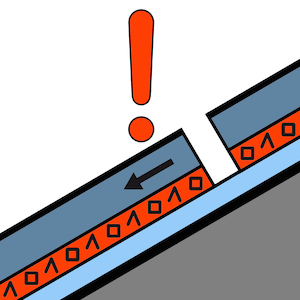
  • We are still concerned by a buried persistent weak layer problem that likely still exists in outlying upper-elevation terrain, especially in the southern half of the zone. A weak layer of moist faceted November snow lurks near the ground. Destructive, hard slab avalanches up to 4 feet deep remain possible in isolated or outlying drifted terrain.
  • Another potential buried persistent weak layer consisting of glittery surface hoar and/or small sugary grains of faceted snow may exist on last year's snow surface. Buried by the New Year's storm, it could have been preserved intact on some slopes. Slab avalanches today, up to three feet thick, could fail on a persistent weak layer in the Christmas-New Year's interface.
Additional Information

Use safe travel practices: travel with a partner, and cross or ride steep slopes one at a time while the rest of your group watches from a safe spot.

Are you interested in learning more about avalanches? Visit our education page for details on all our classes.

For more information, visit the UAC weather page here: UAC Weather Page For Logan-specific weather, go here: Logan Mountain Weather

-For all questions on forecasts, education, Know Before You Go, events, online purchases, or fundraising, call 801-365-5522.

-Remember, the information you provide could save lives, especially if you see or trigger an avalanche. To report an avalanche or submit an observation from the backcountry, go HERE

-Receive forecast region-specific text message alerts to receive messages about changing avalanche conditions, watches, and warnings. Sign up and update your preferences HERE

This forecast is from the U.S.D.A. Forest Service, which is solely responsible for its content. This forecast describes general avalanche conditions and local variations always occur.

General Announcements
This information does not apply to developed ski areas or highways where avalanche control is normally done. This forecast is from the U.S.D.A. Forest Service, which is solely responsible for its content. This forecast describes general avalanche conditions and local variations always occur.