Forecast for the Logan Area Mountains

Paige Pagnucco
Issued by Paige Pagnucco on
Sunday morning, January 18, 2026
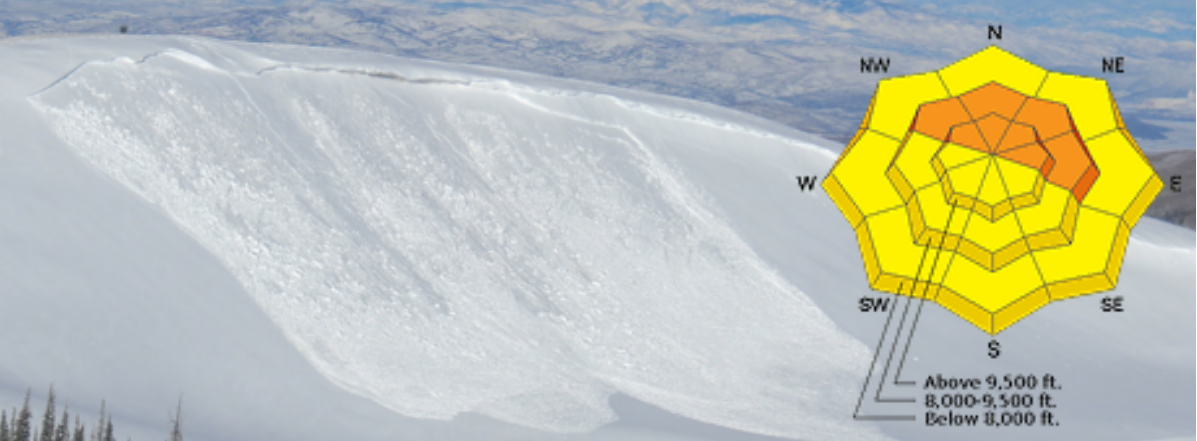
The avalanche danger is LOW, and avalanches are unlikely. Even so, pockets of unstable snow may exist in isolated upper-elevation terrain exposed to wind drifting and on steep sunny slopes, where small wet avalanches are possible in the heat of the day.
Use safe travel protocols when traveling through steep terrain, and be sure everyone in your group has avalanche rescue equipment and knows how to use it.
Low
Moderate
Considerable
High
Extreme
Learn how to read the forecast here
Special Announcements

Looking to up your avalanche knowledge? Want to feel more confident about making decisions in the backcountry with your group? Join us for a Backcountry 101 for snowmobilers on January 28 and 29. This life-saving course is designed for snowmobilers and snow bikers taking their first on-snow avalanche class or looking to refresh previous training. For more information and to sign up, click here.

Weather and Snow

Sunny slopes will remain firm/crusty until they soften with today’s warmth, while sheltered, shady, and northerly aspects still hold dry snow. Riding conditions are best in wind-protected terrain. With the next possible round of precipitation not until later this week, we are tracking the surface snow as it transforms into surface hoar, near-surface facets, and recrystallized snow - our subsequent weak layers.

The Tony Grove Snotel at 8400 feet reports 28°F and 57 inches of total snow. At the UAC Card Canyon weather station at 8700 feet, it's 24°F, and there is 43 inches of total snow. Currently at 9700 feet on Logan Peak, the wind is blowing in the 22 to 29 mph from the west. It's 23°F on Paris Peak at 9540 feet, and the wind is blowing 26 to 31 mph from the west southwest.

We have yet another beautiful day on tap in the mountains, with mostly sunny skies and 8500' temperatures reaching 31°F. Steady light winds will blow from the west-northwest, creating a wind chill around 10°F. The strong high pressure remains over the region through much of the upcoming week, with a continued temperature inversion keeping hazy conditions in the valleys and fair, unseasonably mild conditions in the mountains. There is some hope on the horizon, though, with a chance of measurable precipitation next Friday.
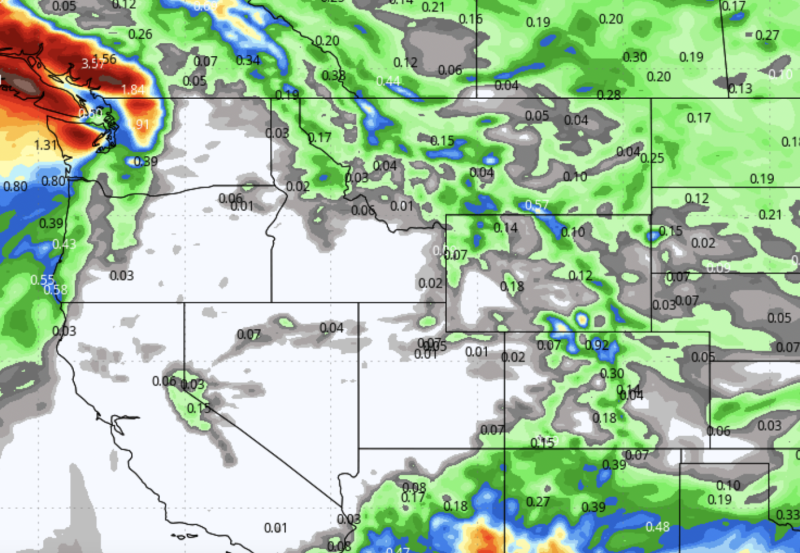
Cumulative precipitation through the end of January according to the GFS model run. The Intermountain West is not the
place ot be right now for fresh powder. Want some of that? Try Vermont. Jay Peak has received 268" of snow this season so far.

Recent Avalanches

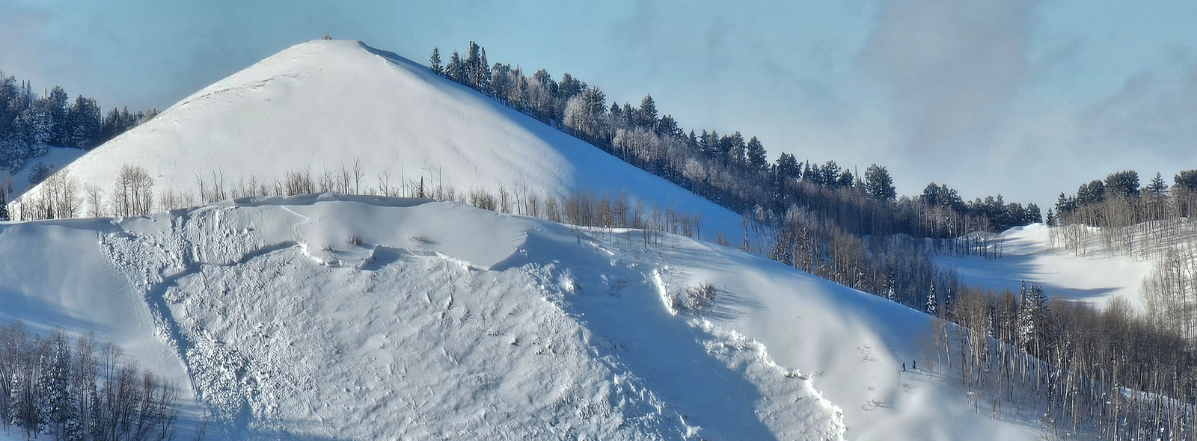
There were no avalanches reported yesterday. It has been over a week since the last significant avalanche report, a natural wind slab on Cherry Peak.
For all observations and avalanche activity in the Logan Zone, go HERE.
Avalanche Problem #1
Normal Caution
Type
Location
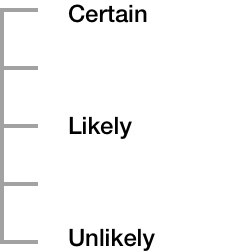
Likelihood
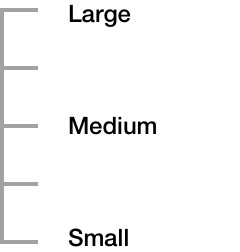
Size
Description

A few things to think about under Normal Caution:

1. People can trigger wind slab avalanches on upper-elevation slopes where snow has recently been deposited by wind. The amount of soft snow available for transport has decreased because it's already drifted, but we've observed continued drifting at upper elevations all week.

  • While traveling, watch for signs of wind drifting, such as rounded, pillow-like features, chalky or stiff snow, hollow or drum-like sounds, and cracking underfoot.
  • Harder wind slabs can be quite deceptive— sometimes allowing people to get well out onto them before failing suddenly.

2. Overhanging cornices may break farther back than expected and could trigger avalanches on the slopes below.

  • Don't be tempted to get too close to the edge of slopes capped by overhanging cornices. Give them a wide berth instead, and of course, stay out from under.

3. Small, wet, loose avalanches are possible on very steep slopes during midday heat. While cooler temperatures and light cool breeze should keep the snow surface firm today, if the sun begins softening the snow surface, the potential for wet avalanches will increase.

  • Avoid travel on steep, sunny slopes, especially rocky ones with shallow snow cover and those with cliffs above.
  • Watch for active roller balls, pinwheels, and wet sluffs, which indicate unstable wet snow.
  • If you start sinking into warmth-softened, saturated snow, it's time to move to slopes with cooler snow.
Additional Information

Use safe travel practices: travel with a partner, and cross or ride steep slopes one at a time while the rest of your group watches from a safe spot.

Are you interested in learning more about avalanches? Visit our education page for details on all our classes.

For more information, visit the UAC weather page here: UAC Weather Page For Logan-specific weather, go here: Logan Mountain Weather

-For all questions on forecasts, education, Know Before You Go, events, online purchases, or fundraising, call 801-365-5522.

-Remember, the information you provide could save lives, especially if you see or trigger an avalanche. To report an avalanche or submit an observation from the backcountry, go HERE

-Receive forecast region-specific text message alerts to receive messages about changing avalanche conditions, watches, and warnings. Sign up and update your preferences HERE

This forecast is from the U.S.D.A. Forest Service, which is solely responsible for its content. This forecast describes general avalanche conditions and local variations always occur.

General Announcements
This information does not apply to developed ski areas or highways where avalanche control is normally done. This forecast is from the U.S.D.A. Forest Service, which is solely responsible for its content. This forecast describes general avalanche conditions and local variations always occur.