Forecast for the Logan Area Mountains

Toby Weed
Issued by Toby Weed on
Tuesday morning, January 13, 2026

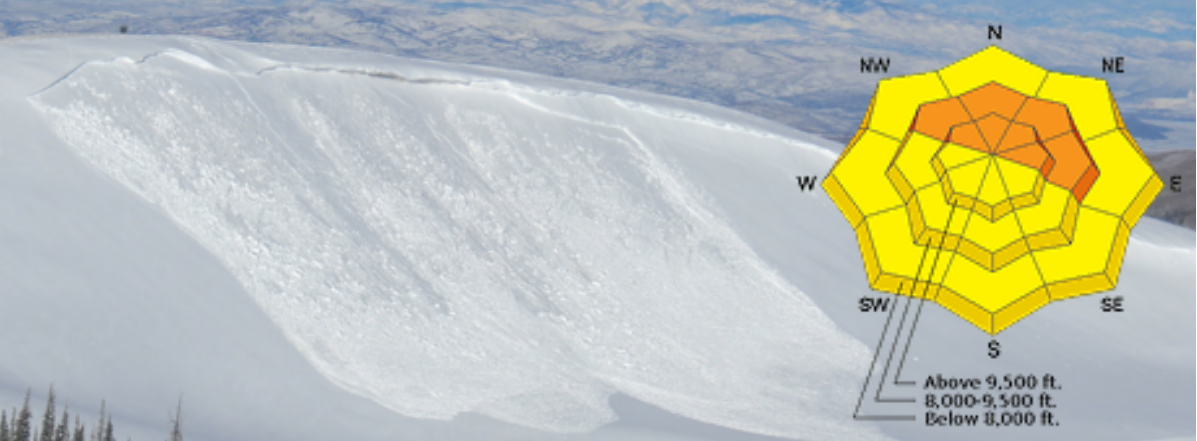
MODERATE: Avalanches are unlikely, and the avalanche danger is LOW in most areas. However, people should carefully evaluate the snow and terrain, especially at upper elevations where avalanches of recently wind-drifted snow are possible. Additionally, warm midday temperatures will elevate the danger of loose wet avalanches on sunny slopes.

Low
Moderate
Considerable
High
Extreme
Learn how to read the forecast here
Weather and Snow

Sunny slopes will be crusty until softened by warmth today, while shaded and northerly aspects still hold dry settled powder. Yesterday, we found nice conditions at upper elevations, with sparkling surface hoar and "loud powder" (re-crystalized surface snow) on the snow surface. The snow appears to be mostly stable across the zone currently, with minimal recent activity and no reported or observed avalanches failing on a sugary persistent weak layer near the ground since December. All the rain and warmth leading up to Christmas saturated the weak faceted snow from November, and recent colder temperatures have now solidly refrozen the base of the snowpack. Snowpit tests continue to show improving stability, but poor snowpack structure still likely exists in isolated, steep, rocky terrain with a shallow snowpack. In these areas, a wind slab or wet avalanche might step down into older weak snow, resulting in a much larger and more dangerous slide. Our concerns on slopes steeper than 30 degrees today include avalanches of wind-drifted snow in exposed terrain and increasing potential for wet avalanches on sunny slopes as daytime temperatures rise. Evaluate the snow and terrain carefully, travel through potential avalanche paths one person at a time, and make sure everyone in your group has a beacon, shovel, and probe—and knows how to use them.

The Tony Grove Snotel at 8400 feet reports 37°F and 61 inches of total snow, containing 116% of average SWE for the date. At the UAC Card Canyon weather station at 8700 feet, it's 28°F, and there is 46 inches of total snow. Currently at 9700 feet on Logan Peak, the wind is blowing 25 to 30 mph with gusts of 40 mph from the northwest. It's 29°F on Paris Peak, and the wind sensor, freed of rime yesterday morning, reports wind from the west-northwest 25 to 33 mph. Today will be another nice day in the mountains with a 8500' high of 37°F, sunny skies, and light winds in the afternoon, blowing from the west-northwest. Expect a strengthening inversion with mild mountain temperatures and valley haze to persist through the week and beyond, as a strong ridge of high pressure continues to dominate the weather pattern over the west.

Recent Avalanches

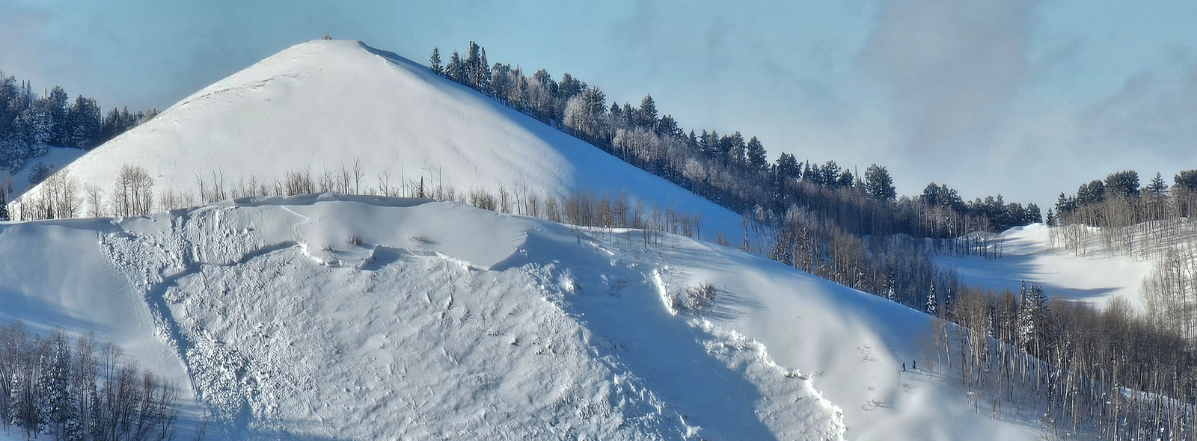
On Saturday, in the Ogden Zone, a snowmobiler triggered a wind slab avalanche on Whiskey Hill in the Monte Cristo area. Luckily, the rider was able to ride off to the side.

Over the weekend, a large natural hard slab avalanche failed 5 feet deep on sugary faceted snow or depth hoar near the ground in Stairs Gulch in the Wasatch Range east of Salt Lake City.

For all observations and avalanche activity in the Logan Zone, go HERE.


Avalanche Problem #1
Wind Drifted Snow
Type
Location
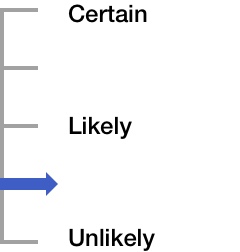
Likelihood
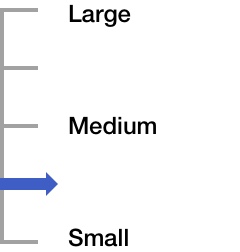
Size
Description

Wind slab avalanches are possible, especially on exposed, upper-elevation slopes where snow has been recently drifted by wind. Overhanging cornices may break farther back than expected and could trigger avalanches on the slopes below.

  • Watch for signs of wind drifts such as rounded, pillow-like features, chalky or stiff snow, hollow or drum-like sounds, and cracking underfoot.
  • Softer, newly formed wind slabs are generally easier to trigger, while older, harder slabs can be more deceptive— sometimes allowing people to travel well out onto them before failing suddenly.
  • Avoid travel on or beneath cornices and on steep slopes with stiff deposits of wind-drifted snow.

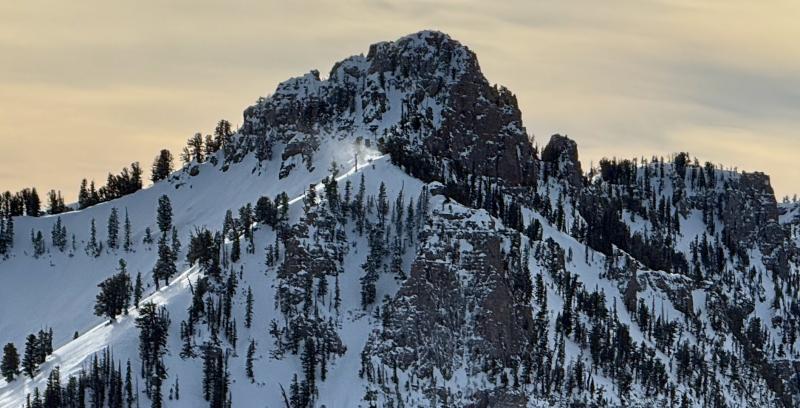
We observed some wind drifting in high terrain, off the shoulder Mt Magog, on Monday.

Avalanche Problem #2
Wet Snow
Type
Location
Likelihood
Size
Description

Warm mountain temperatures and solar warming will elevate the danger of loose wet avalanches on sunny slopes, especially in the middle of the day, once surface crusts soften. Roller balls, pinwheels, and small wet sluffs on similar slopes indicate unstable, saturated surface snow.

Additional Information

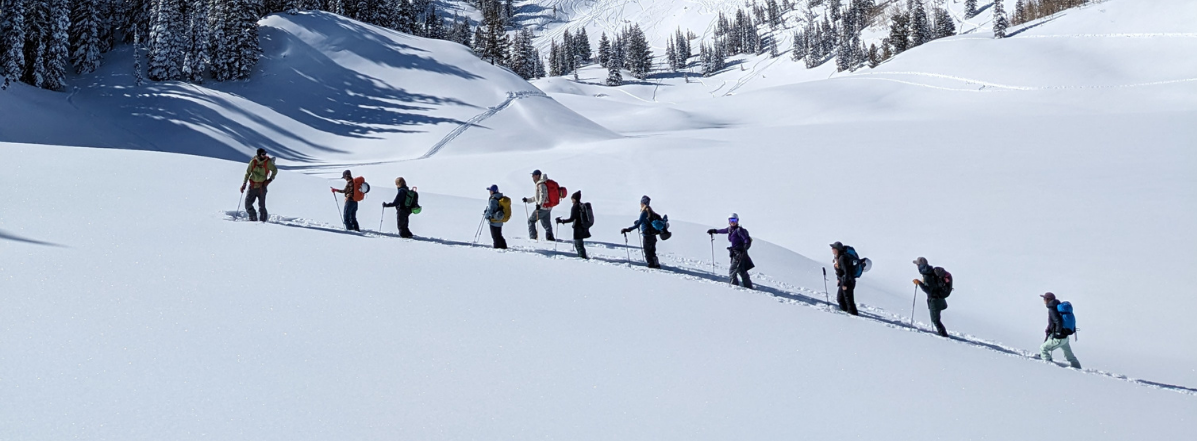
Use safe travel practices: travel with a partner, and cross or ride steep slopes one at a time while the rest of your group watches from a safe spot.

Are you interested in learning more about avalanches? Visit our education page for details on all our classes.

For more information, visit the UAC weather page here: UAC Weather Page For Logan-specific weather, go here: Logan Mountain Weather

-For all questions on forecasts, education, Know Before You Go, events, online purchases, or fundraising, call 801-365-5522.

-Remember, the information you provide could save lives, especially if you see or trigger an avalanche. To report an avalanche or submit an observation from the backcountry, go HERE

-Receive forecast region-specific text message alerts to receive messages about changing avalanche conditions, watches, and warnings. Sign up and update your preferences HERE

This forecast is from the U.S.D.A. Forest Service, which is solely responsible for its content. This forecast describes general avalanche conditions and local variations always occur.

General Announcements
This information does not apply to developed ski areas or highways where avalanche control is normally done. This forecast is from the U.S.D.A. Forest Service, which is solely responsible for its content. This forecast describes general avalanche conditions and local variations always occur.